-
E-mail
webmaster@rxjd.com
-
Phone
13801568566
-
Address
China
Product Categories
Zhangjiagang Rixin Electromechanical Co., Ltd
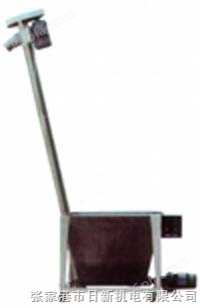
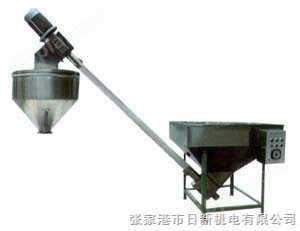
Spiral multifunctional feeder
NegotiableUpdate on 01/12
- Model
- Nature of the Manufacturer
- Producers
- Product Category
- Place of Origin
Overview
Spiral multifunctional feeder, also known as screw conveyor, is mainly used for conveying powdered and granular materials in inclined rooms. It is one of the many feeder equipment, named after the spiral shape of the material conveying path.
Product Details
Spiral multifunctional feederstructural characteristics
1. The connection between the spiral shaft and the suspension bearing, as well as the head and tail shafts, adopts an embedded tongue type, which does not require axial movement for installation and disassembly, making maintenance convenient. The core shaft is long, there are few hanging parts, and there are few fault points
2. Adopting a variable diameter structure, increasing the volume of the suspension bearing, avoiding contact between the suspension bearing and the material, the service life of the suspension bearing can reach more than two years.
3. Each transmission part adopts a floating connection method, and the suspension bearing is a universal joint structure, which forms a whole rotating floating body with the spiral body, suspension bearing, and tail assembly. Within a certain range, it can freely rotate and avoid blockage with the conveying resistance.
4. The head and tail bearing seats are both located outside the shell, and all bearings adopt multi-layer sealing and cooperative sealing technology, resulting in a long service life of the bearings.
Spiral multifunctional feederMaintenance:
(1) Daily maintenance is a regular routine work that does not take up the operating hours of the equipment and is usually completed during the driving period. The key is to clean the machine, lubricate all moving parts, tighten loose threaded parts, timely inspect and adjust the motor, control instruments, various working components and pipelines, etc.
(2) Regular maintenance is generally carried out after the extruder has been running continuously for 2500-5000 hours and then stopped. The machine needs to be disassembled, inspected, measured, and evaluated for the wear of its main components, replaced with parts that have reached the specified wear limit, and repaired for damaged parts.
(3) Empty operation is not allowed to prevent the screw and machine from rolling over.
(4) If there is any abnormal noise during the operation of the extruder, it should be stopped immediately for inspection or repair.
(5) Strictly prevent metal or other debris from falling into the hopper to avoid damaging the screw and barrel. To prevent iron impurities from entering the barrel, magnetic suction components or magnetic frames can be installed at the feeding port of the barrel to prevent impurities from falling in. The materials must be sieved in advance.
(6) Pay attention to the cleanliness of the production environment, and do not allow garbage and impurities to mix into the material and block the filter plate, which will affect the product output, quality, and increase the resistance of the machine head.
(7) When the extruder needs to be stopped for a long time, anti rust lubricating grease should be applied to the working surfaces of the screw, machine shaft, and machine head. Small screws should be suspended in the air or placed in specialized wooden boxes, and leveled with wooden blocks to prevent deformation or damage to the screws.
(8) Regularly calibrate temperature control instruments, check their correctness of adjustment and sensitivity of control.
(9) The maintenance of the gearbox of the extruder is the same as that of a general standard gearbox. Mainly inspect the wear and failure of gears, bearings, etc. The gearbox should use the lubricating oil specified in the machine manual and add oil according to the specified oil level height. If the oil level is too low, the lubrication will not be reversed, which will reduce the service life of the parts; Excessive oil, high heat generation, high energy consumption, and easy deterioration of oil can also cause lubrication failure and damage to parts. The sealing gasket should be replaced in a timely manner at the oil leakage location of the gearbox to ensure the amount of lubricating oil.
(10) The inner wall of the cooling water pipe attached to the extruder is prone to scaling and the outside is prone to corrosion and rust. Careful inspection should be carried out during maintenance. Excessive scale can block the pipeline and fail to achieve cooling effect. Severe corrosion can lead to water leakage. Therefore, descaling and anti-corrosion cooling measures must be taken during maintenance.
(11) Special attention should be paid to checking the wear and contact of the electric brush of the DC motor that drives the screw to rotate. The insulation resistance value of the motor should also be measured regularly to ensure that it is above the specified value. In addition, check whether the connecting wires and other components are rusted and take protective measures.
(12) A dedicated person is responsible for equipment maintenance and upkeep. And include detailed records of each maintenance and repair in the factory equipment management file.