-
E-mail
etite@sina.com
-
Phone
18939778618
-
Address
Building 7, No. 38 Beiguandu Road, Wuzhong District, Suzhou City
Product Categories
Suzhou Yidete Machinery Co., Ltd
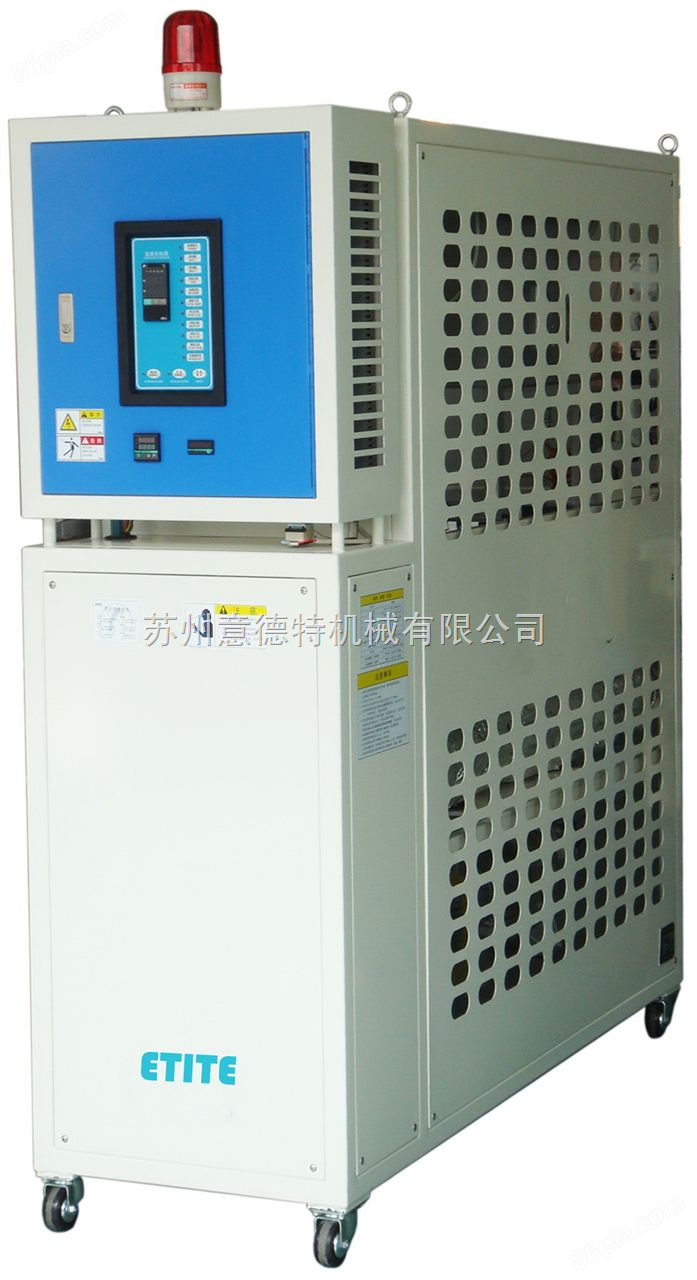
Sheet metal die-casting controller
NegotiableUpdate on 01/12
- Model
- Nature of the Manufacturer
- Producers
- Product Category
- Place of Origin
Overview
Detailed description of the die-casting controller: ① German Speck original high flow, high-pressure centrifugal oil pump. ② The temperature control solenoid valve manufactured by CKD Corporation in Japan can be frequently short circuited. ③ Japanese OMLON, Mitsubishi, and French Schneider Electric components ④ PLC PID method temperature control, precise temperature control (± 2 ℃).
Product Details
Sheet metal die-casting controlleroperating procedure
1、 Pre start inspection
1. Check if the surroundings are clean and free of debris, and verify if the power supply, heater, controller, pressure gauge, pump, etc. are functioning properly.
2. Check if the oil level in the expansion tank is above the 1/2-3/5 level, and if the level sensor is functioning properly.
3. Connect the power supply to the control cabinet, check if the voltage is normal, and verify if the indicator lights and various display instruments are functioning properly.
2、 Start up
1. Start the heat transfer oil circulation pump and circulate it normally for about 0.5 hours to stabilize the pressure;
2. Press the heating start button and observe if the heating is normal;
3、 Shutdown operation
1. Normal shutdown
① Gradually reduce the temperature and stop heating;
② Stop the operation of the heat transfer oil circulation pump when the temperature of the heat transfer oil drops below 70 ℃;
③ Turn off the main power and keep a handover record.
2. If an emergency shutdown occurs due to an urgent situation, the heating tube should be quickly turned off to allow the heat transfer oil to cool naturally and prevent overheating.
Sheet metal die-casting controllerFault repair:
(1) When identifying and repairing faults, care should be taken not to use the identified fault points as the endpoint for finding faults. Further analysis is necessary to identify the root cause of the malfunction. For example, when dealing with an accident where an electric motor burns out due to overload, it cannot be assumed that repairing the burnt out motor or replacing it with a new motor of the same model is enough. It is necessary to further investigate the cause of the motor overload and determine whether it is due to excessive load. It is still caused by improper selection of the electric motor and insufficient power, as both will lead to motor overload. So, when dealing with faults, repairing them should be done after identifying the cause of the fault and eliminating it.
(2) After identifying the fault point, it is necessary to adopt the correct repair methods according to the situation and location of different faults. Do not easily replace electrical components and repair wires, and do not easily change the circuit or replace electrical components with different specifications to prevent artificial faults.
(3) In general, efforts should be made to restore the faulty point during repair, but sometimes it is necessary to restore the normal operation of industrial machinery as soon as possible. According to the actual situation, it is also allowed to take some emergency measures suitable for the mold water flushing machine. But we must never compromise.
(4) When the electrical fault has been repaired and needs to be powered on for trial operation. Cooperate with the operator to avoid new malfunctions.
(5) After troubleshooting each time. Experience should be summarized in a timely manner, and maintenance records should be kept, including the model, name, number, date of failure, symptoms, location, damaged electrical appliances, cause of failure, repair equipment, and operation after repair of industrial machinery. The purpose of recording is to serve as a reference for future maintenance, and to take effective measures to prevent similar accidents from happening again or to provide improvement suggestions for the design of electrical equipment through analysis of previous failures.