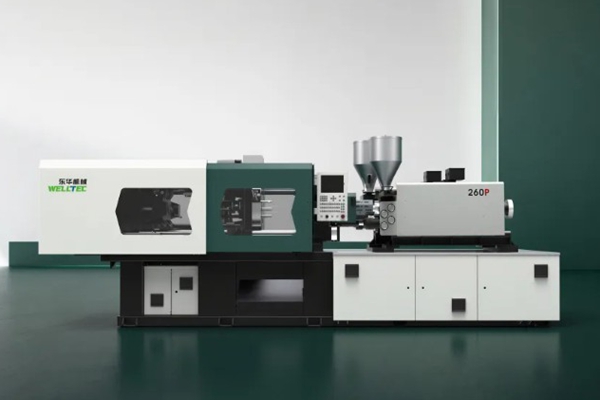
NGEL collaborates with numerous partners
Design and manufacture innovative thermoplastic drone rotor blades
High performance composite material components can effectively achieve material recycling, enabling quieter, more efficient, and sustainable aerial flight, and opening the door to a wide range of high-performance rotor application scenarios.

Thanks to the rapid growth of drones in logistics, inspection, agriculture, national defense, and emerging urban air traffic fields. The market urgently requires manufacturing solutions that are high-performance, scalable, automated, and have cost advantages. Commercial and industrial grade drones will benefit from stable blade quality, lower operating costs, and higher efficiency. Logistics and distribution drones require scalable production, fast turnover, and low operating noise to meet strict regulations and community expectations. Urban air traffic has higher requirements for noise reduction, as rotor noise remains one of the main obstacles affecting public acceptance. In addition to drones, other industries can also manufacture high-performance, economical, and recyclable composite components through this process.

This innovation was jointly developed by a consortium from industry and academia, and received funding from the Austrian Research Promotion Agency (FFG). The project first conducted structural, aeroelastic, and aeroacoustic simulations, optimized blade design, and evaluated noise emissions. Improved injection molding parameters through process simulation, and designed and manufactured production units for fully automated turnkey production
moldThe life cycle assessment quantifies the environmental impact and measures the sustainability advantages of thermoplastic composite materials. In small-scale trial production, the mechanical properties were evaluated by producing test samples, verifying the concept of strip sandwich structure, and evaluating the tape laying, vacuum adsorption method, and injection molding process parameters. After the verification of the plan, the process was extended to fully automated batch production, achieving a single blade production cycle of less than one minute, enabling this new generation of manufacturing technology to be implemented. The prototype will undergo structural testing, flight testing, fatigue analysis, and acoustic measurements, including evaluating various serrated trailing edge designs to optimize rotor noise reduction effectiveness - a key factor for drones in urban environments.


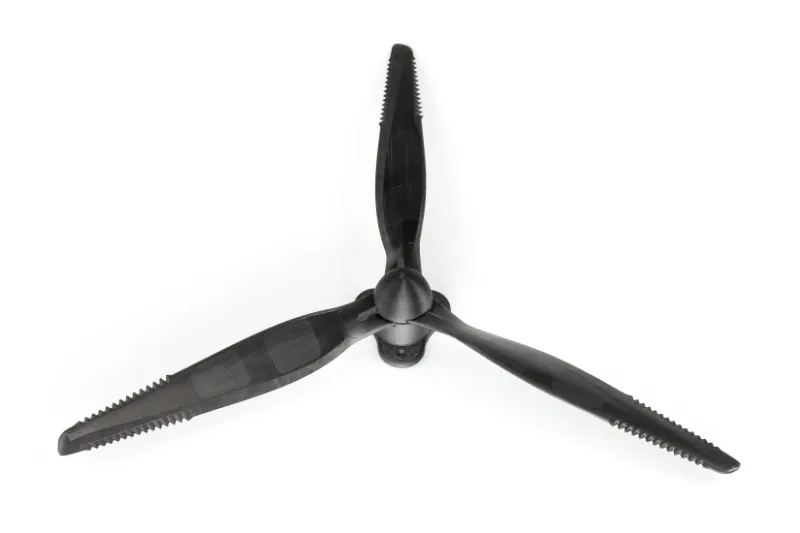
Compared to traditional rotor blade production processes, such as prepreg molding or dry fiber resin transfer molding, which typically involve multiple steps, high energy consumption, and generate a large amount of material waste. The innovative rotor blades developed by ENGEL and its partners can minimize material scraps, process time, and energy requirements, and effectively achieve material recycling in high-performance composite components.
Its core advantages:
Achieving blade quality consistency through repeatable processes
Realize noise reduction through structural integration
Realize scalable and efficient production through automation
Using thermoplastic materials to achieve recyclability
Realize design flexibility through injection molding