- Phone
-
Address
No. 4 Lingang 2nd Road, Shuangqiao Street, Dinghai District, Zhoushan City, Zhejiang Province
Product Categories
Zhejiang Zhoushan Huayi Machinery Manufacturing Co., Ltd
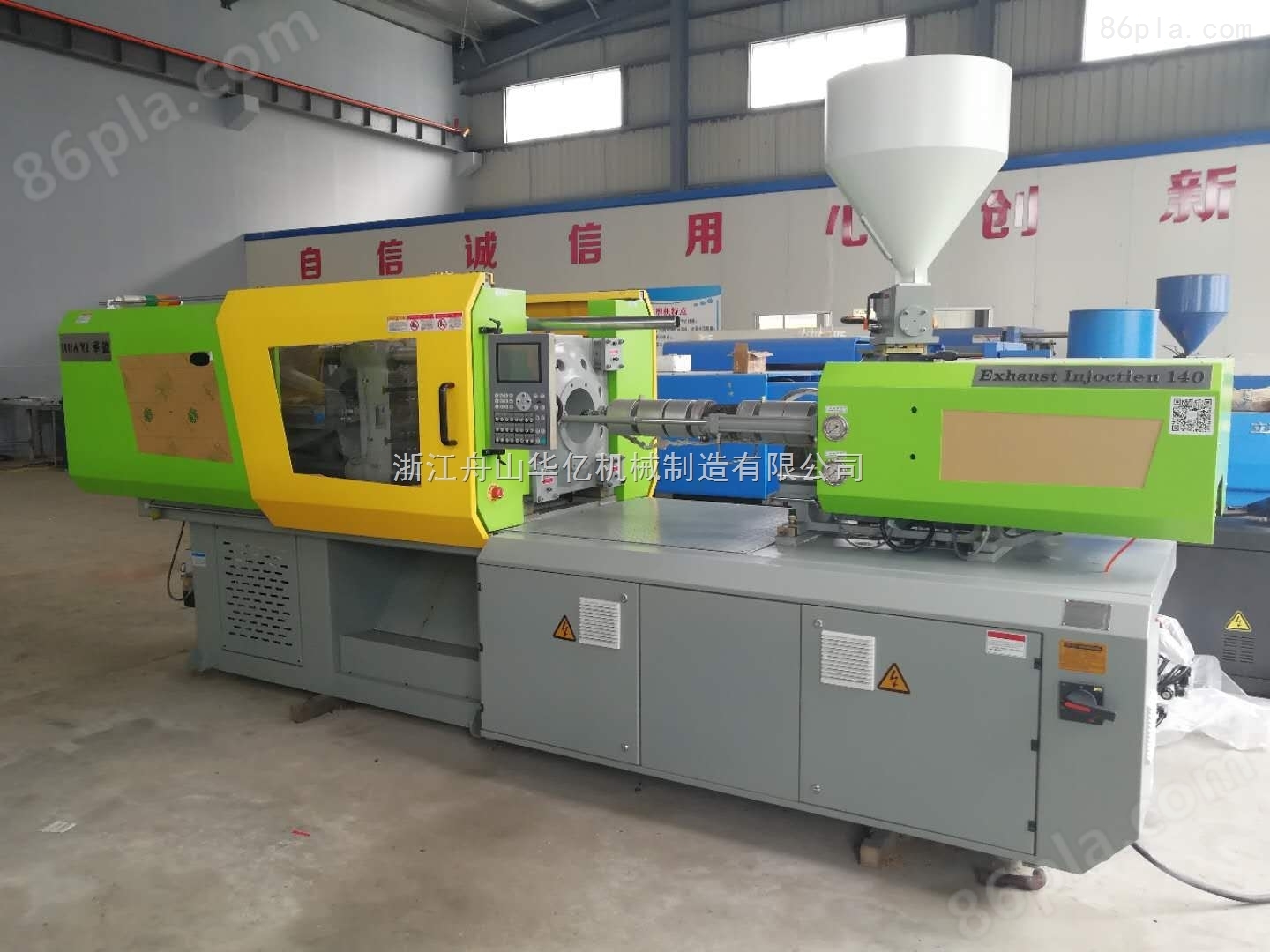
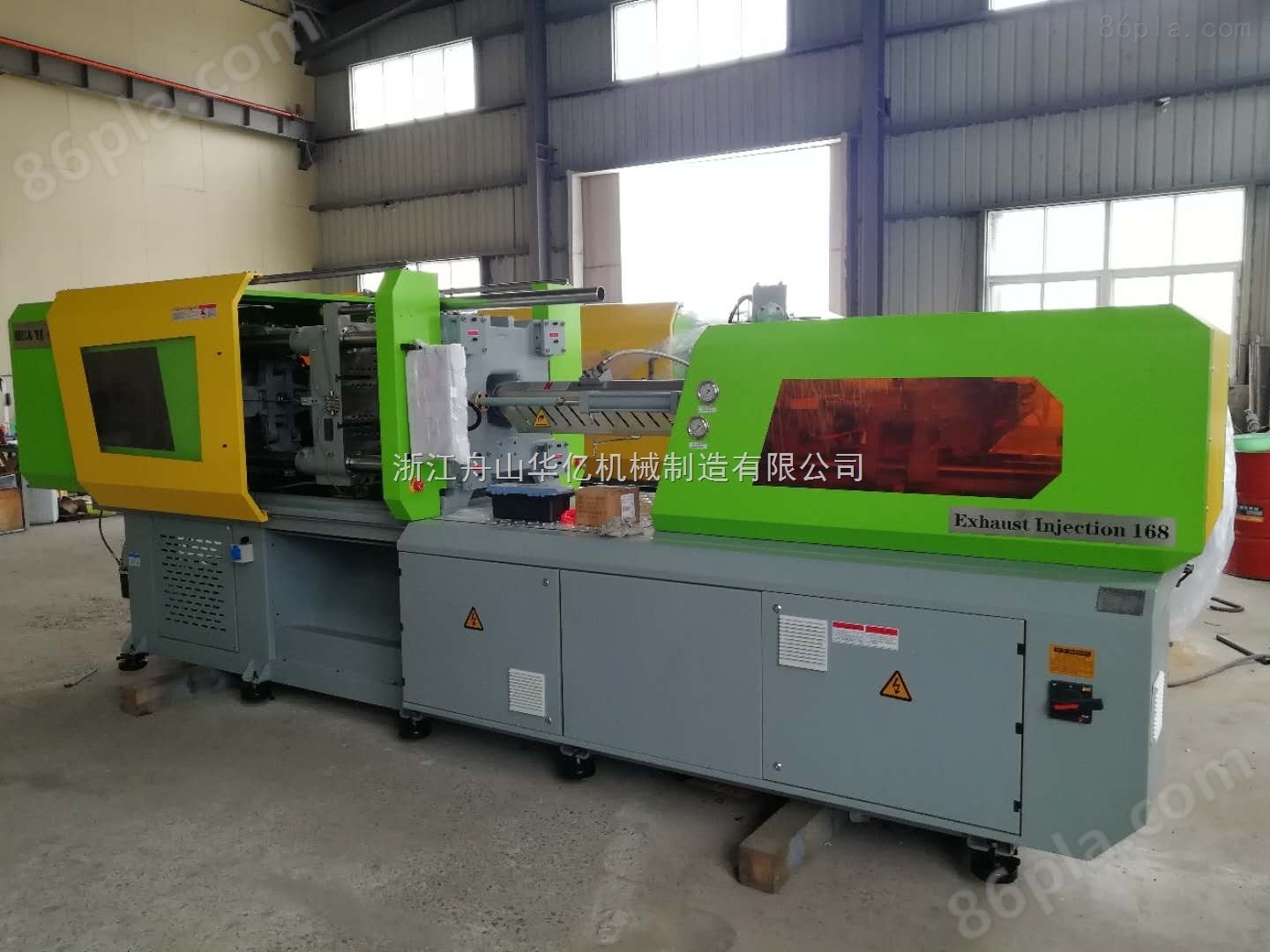
Non drying industrial injection molding machine
NegotiableUpdate on 01/17
- Model
- Nature of the Manufacturer
- Producers
- Product Category
- Place of Origin
Overview
The non drying industrial injection molding machine is equipped with four major systems for exhaust and dehumidification, namely the barrel (material barrel), screw, feeding device, and control panel.
Product Details
Non drying industrial injection molding machineNotes:
(1) Check if there is water or oil entering the electrical control box. If the electrical appliance is damp, do not turn it on. Electrical components should be dried by maintenance personnel before turning on the machine.
(2) Check if the power supply voltage meets the requirements, generally not exceeding ± 15%.
(3) Check if the emergency stop switch and front and rear safety door switches are functioning properly. Verify whether the rotation direction of the electric motor and oil pump is consistent.
(4) Check whether each cooling pipeline is unobstructed, and introduce cooling water into the cooling water jacket at the end of the oil cooler and the barrel.
(5) Check whether there is lubricating oil (grease) in each moving part and add sufficient lubricating oil.
(6) Turn on the electric heater and heat up each section of the barrel. When the temperature of each section reaches the required level, keep it warm for a period of time to stabilize the machine temperature. The insulation time varies depending on the requirements of different equipment and plastic materials.
(7) Add enough plastic into the hopper. According to the requirements of different plastics for injection molding, some raw materials need to be dried first.
(8) Cover the heat shield on the barrel to save energy and extend the lifespan of the electric heating coil and current contactor.
Non drying industrial injection molding machineMaintenance:
Regular inspection items
1. Daily check
⑴ Confirm that the emergency stop button can cut off the power supply to the electric motor of the oil pump.
⑵ Check that the central lubrication system is intact and undamaged. When the automatic central lubrication system is turned on, it should be able to automatically lubricate and automatically lubricate according to the settings during operation.
⑶ Keep the machine clean and its surrounding environment clean and unobstructed.
⑷ Check whether the temperature control system is normal and whether the temperature gauge adjusts the temperature of the heating cylinder correctly.
⑸ Check that the locking mode can be terminated when the safety door is opened or partially opened, and test it in three states: manual/semi-automatic/fully automatic.
Check if the working pressure of the oil pressure system is normal.
⑺ Check if the mold is securely installed on the headboard and mobile template.
When replacing the adhesive material, it is necessary to check whether it is necessary to clean the glue cylinder.
After starting up for a period of time, check whether the oil temperature rises too quickly, and the oil temperature should not exceed 50 degrees during long-term operation.
2. Zhou Cha
⑴ Add butter to all butter nipples.
⑵ Check that the switch and proximity switch are not loose.
⑶ Check that there is no oil leakage at the connections of each oil circuit, and promptly deal with any oil leakage found.
⑷ Tighten loose mechanical components.
3. Monthly check
⑴ Check that the safety door control pressure rod is secure and in the correct position.
⑵ Check that the wiring between electrical components should not be loose.
⑶ Check if the pressure oil is contaminated or damp.
⑷ Clean or replace the oil screen inside the fuel tank.
⑸ Remove the tail cover of the locking part and add butter to the mold adjusting screw.
4. Annual check
⑴ Check if the pressure oil needs to be replaced.
⑵ Check whether there is aging and hardening of the wires, especially those that often come into contact with lubricating oil or pressure oil.
⑶ Check if there is any wear on the injection screw.
⑷ Check the combination of oil pressure motor bearings, inject lubricating grease again or replace the bearings.
Similar Product Recommend