-
E-mail
248693695@qq.com
-
Phone
15268032526
-
Address
Lingang Industrial Park, Shuangqiao Town, Dinghai District, Zhoushan City, Zhejiang Province
Product Categories
Zhoushan Jingke Machinery Manufacturing Co., Ltd
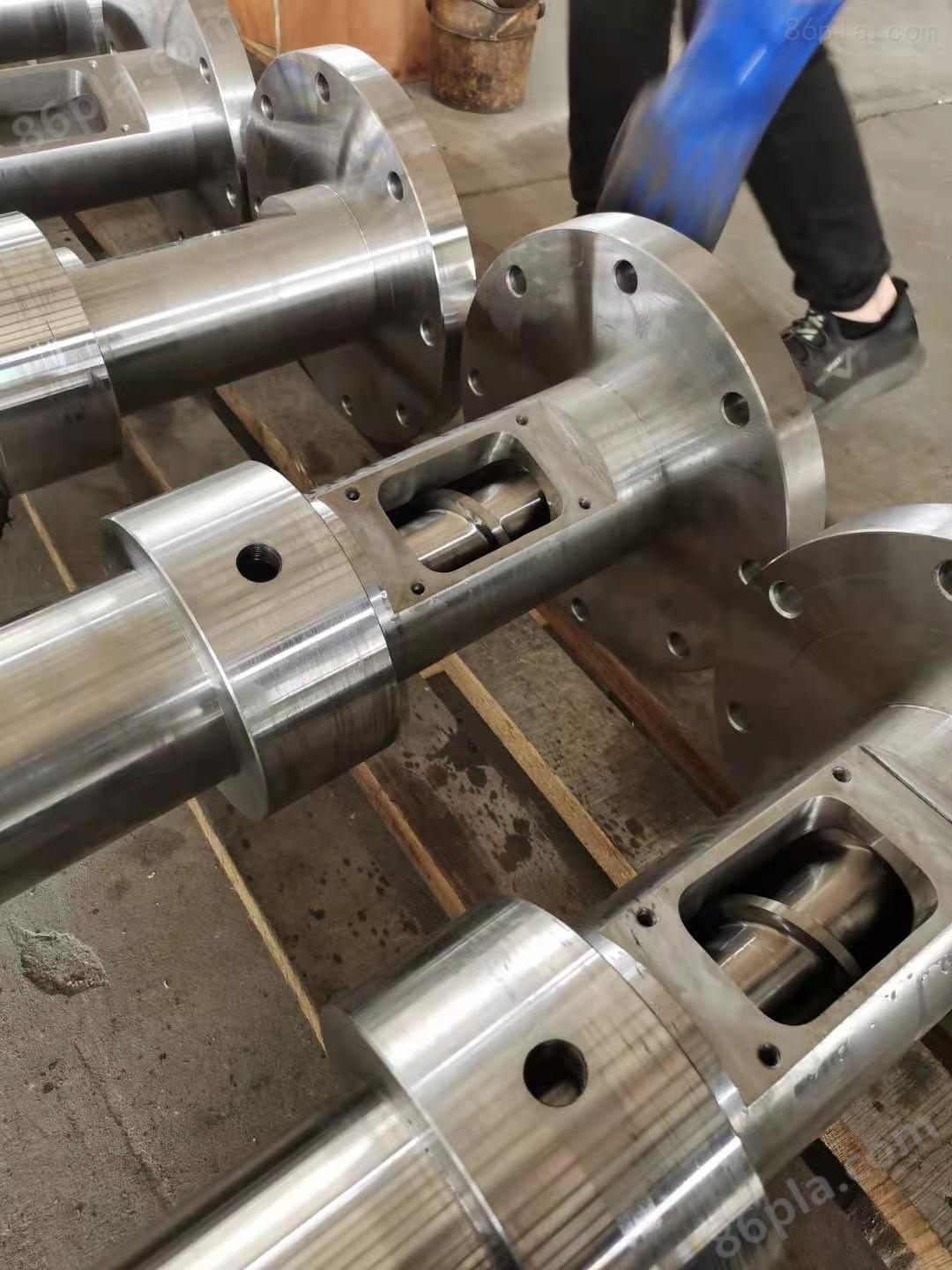
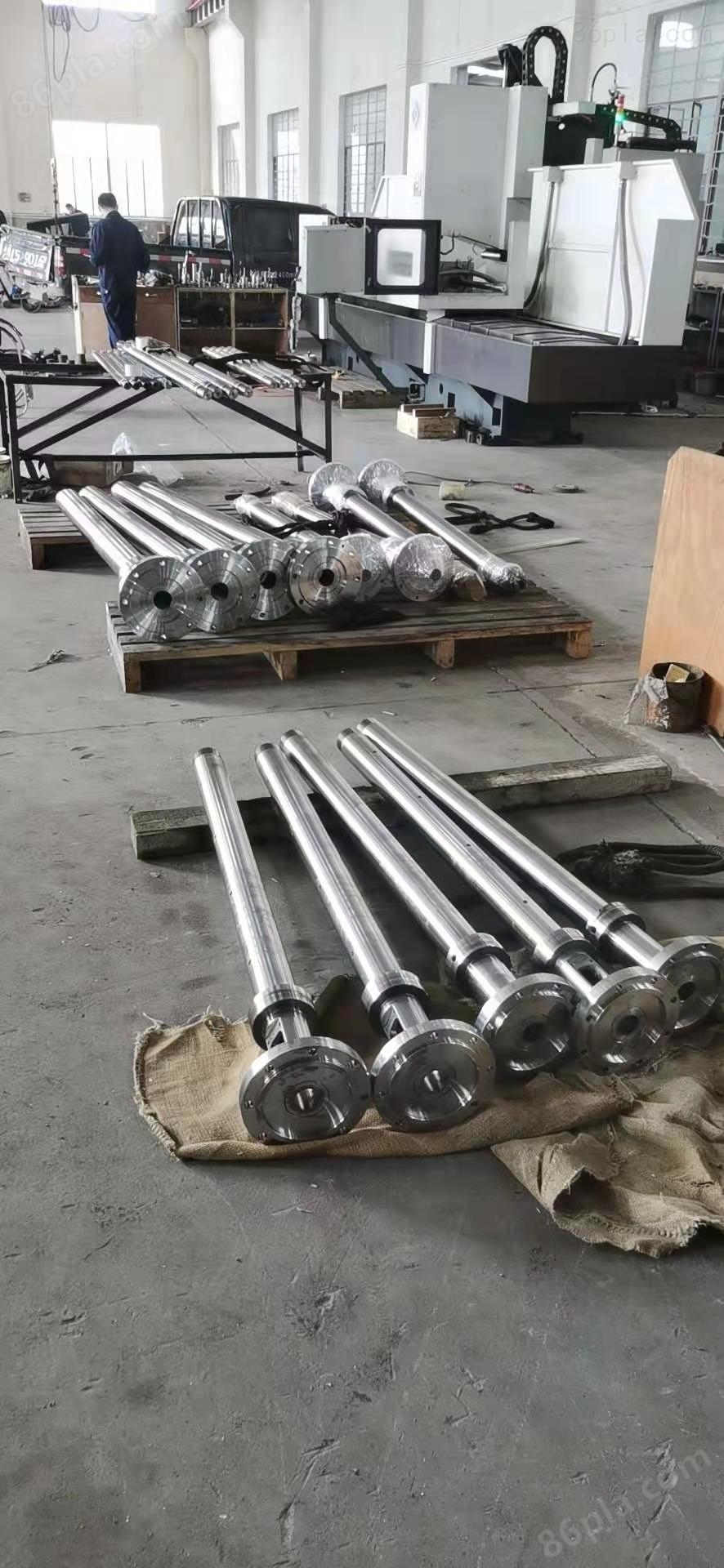
Multi layer halogen-free extruder barrel
NegotiableUpdate on 01/12
- Model
- Nature of the Manufacturer
- Producers
- Product Category
- Place of Origin
Overview
Multi layer halogen-free extruder barrel surface hardness: HV ≥ 900 Nitriding layer depth: 0.5-0.8mm Surface WC/Co integral spray welding, which can effectively improve the use of screws
Product Details
Multi layer halogen-free extruder barrelNotes:
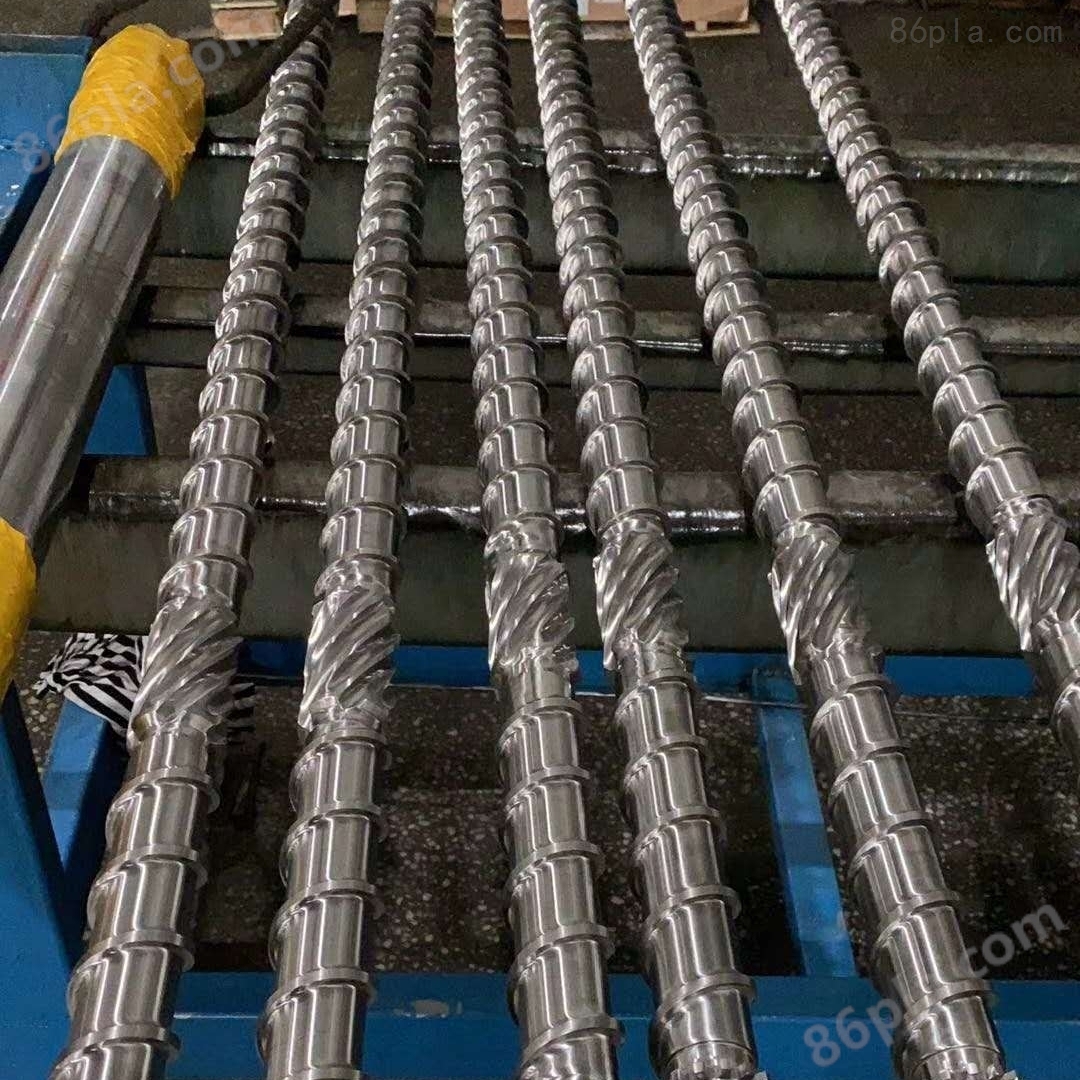
1. Screw manufacturing should use wear-resistant alloy steel with minimal deformation in high-temperature environments. After precision machining, the working surface of the screw should be wear-resistant and corrosion-resistant. Therefore, the threaded part of the screw should be treated with nitriding and plated with a hard chromium layer, with a hardness of 700-800HV.
2. During idle testing, be careful not to let the screw run for a long time without air; During the trial operation and debugging, the idle running time should exceed 3 minutes
3. The disassembly of the screw can generally be done by pushing out the screw from the rear or using a tool to pull out the screw.
4. After cleaning the screw and its connected components, the working surfaces should be inspected for scratches and friction damage. Minor scars should be repaired with fine sandpaper or oilstone.
5. When serious wear and deep grooves appear on the working surface of the screw, the cause of the damage should be analyzed and identified, the fault should be eliminated to avoid similar phenomena from happening again, and then the worn scars should be treated. If both the screw and the barrel are severely worn, the actual clearance between the two components should be checked first. If it exceeds the standard requirements by a lot, the screw should be replaced at this time.
6. When assembling the screw, a layer of molybdenum disulfide heat-resistant grease should be applied to the joint surface with other parts to facilitate the next disassembly.
7. Temporarily unused screws should be coated with a layer of protective oil after surface cleaning, wrapped and hung in a dry and ventilated place.
Multi layer halogen-free extruder barrelrepair technology
The inner surface hardness of the barrel is higher than that of the screw, and its damage occurs later than that of the screw. The scrapping of the barrel refers to the increase in inner diameter due to time wear and tear. The repair method is as follows:
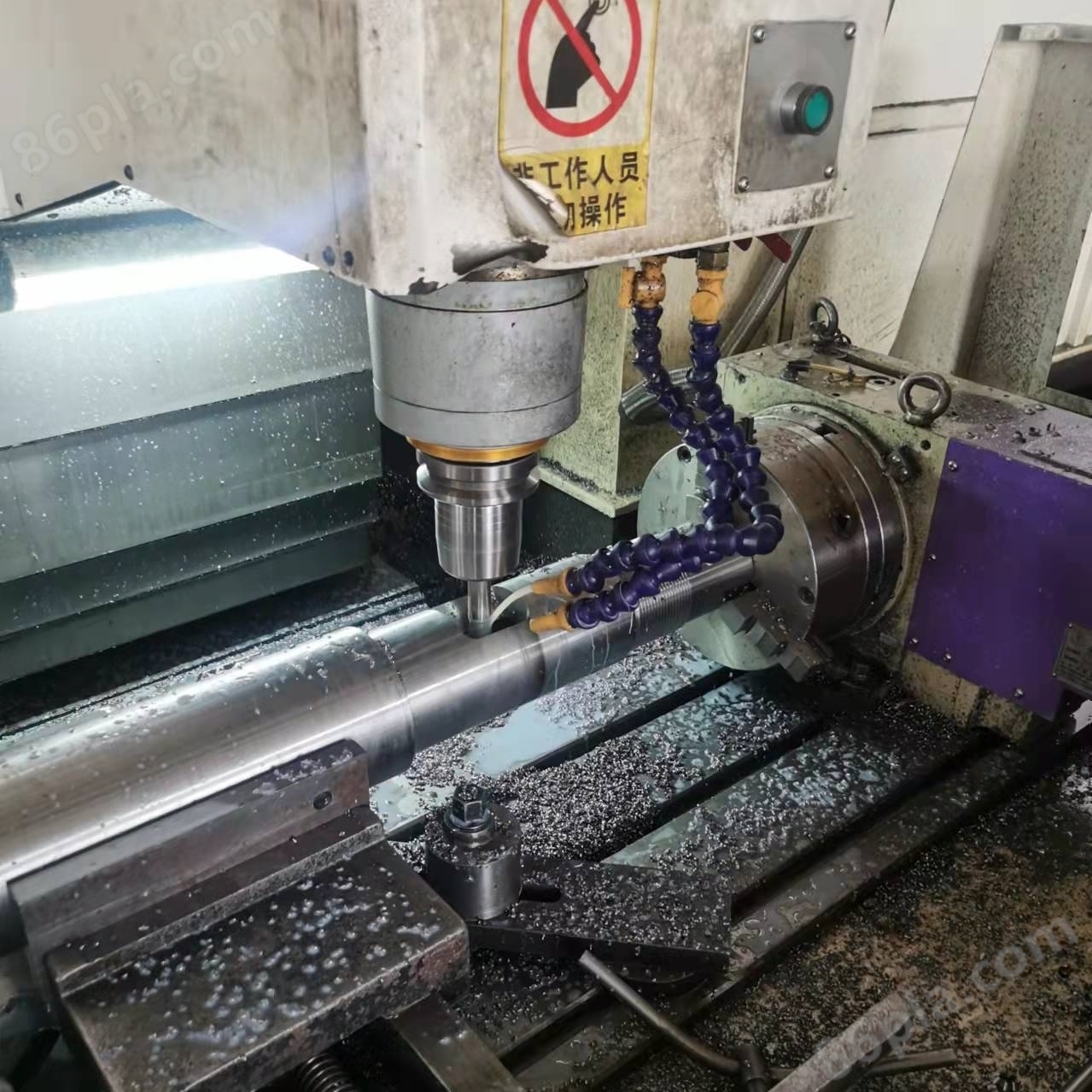
1. When the diameter of the barrel increases due to wear and tear, if there is still a certain amount of nitriding layer, the inner hole of the barrel can be directly bored and ground to a new diameter size, and then a new screw can be prepared according to this diameter.
2. The inner diameter of the barrel is machined, trimmed, and recast with tungsten carbide alloy, with a thickness between 1-2mm, and then precision machined to the diameter size.
3. In general, the homogenization section of the machine barrel wears out quickly. This section (5~7D long) can be fitted with a hinge hole sleeve and a nitrogen impregnated alloy steel liner. The inner hole diameter should refer to the screw diameter and be left in the normal fitting gap for processing and preparation.