-
E-mail
248693695@qq.com
-
Phone
15268032526
-
Address
Lingang Industrial Park, Shuangqiao Town, Dinghai District, Zhoushan City, Zhejiang Province
Product Categories
Zhoushan Jingke Machinery Manufacturing Co., Ltd
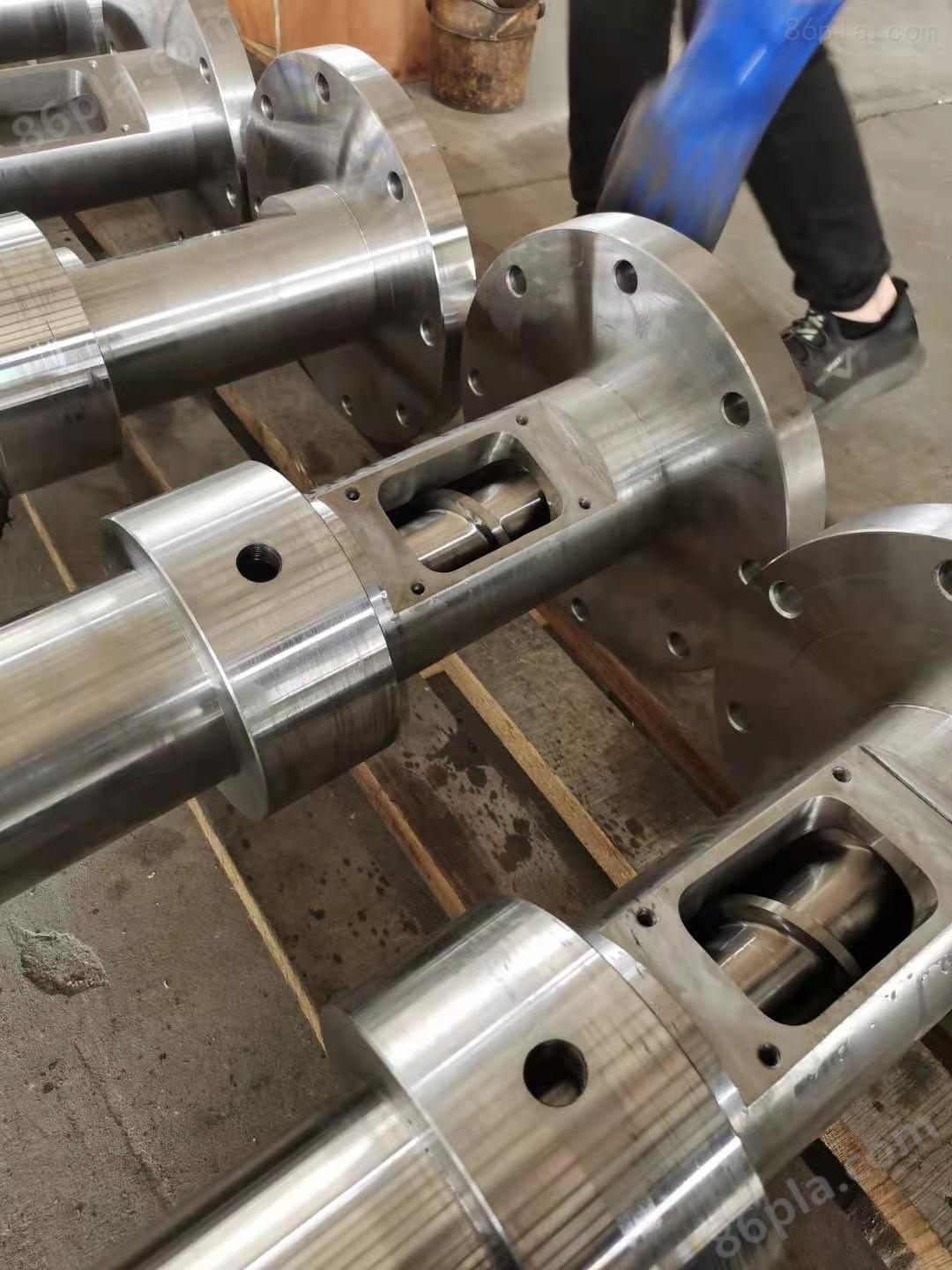
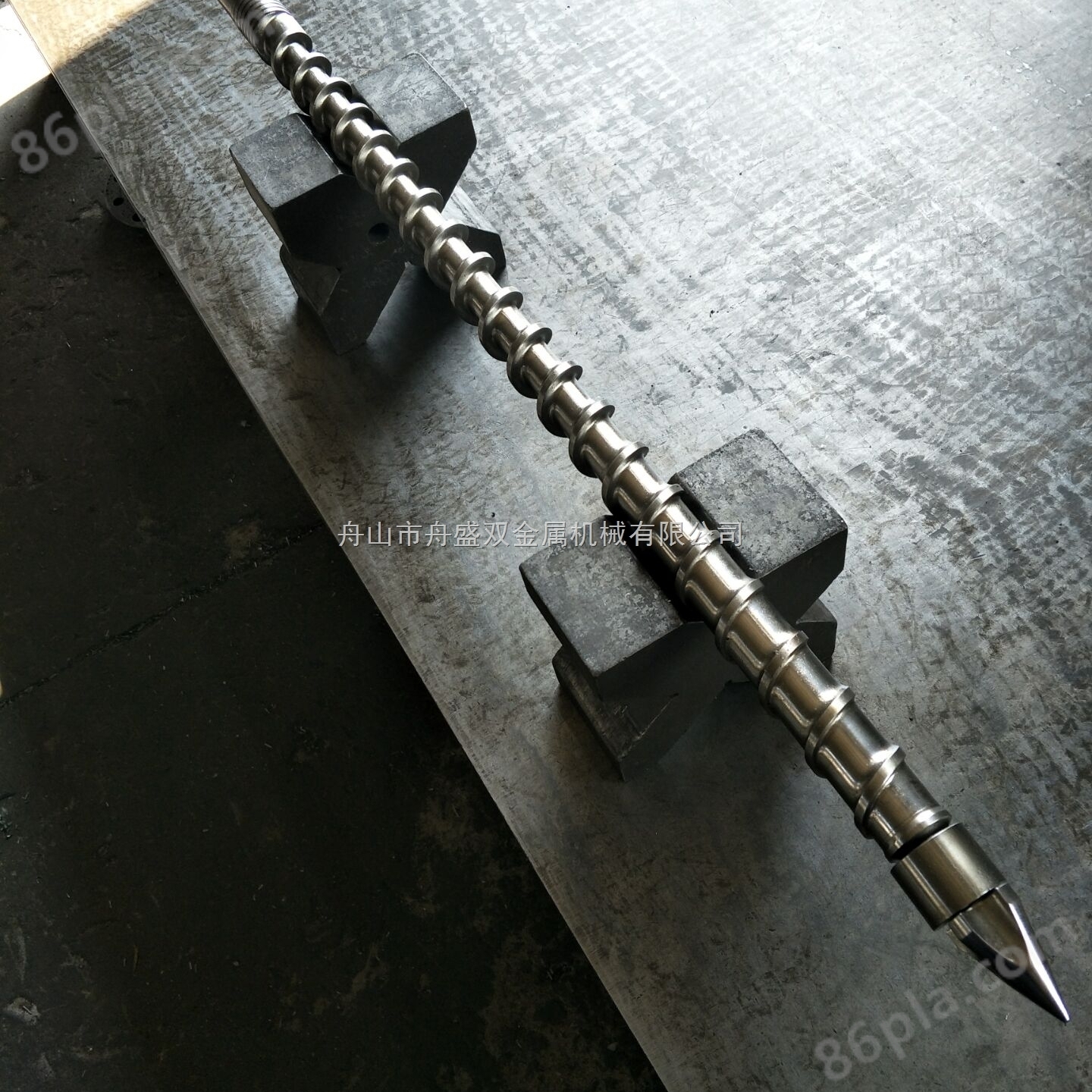
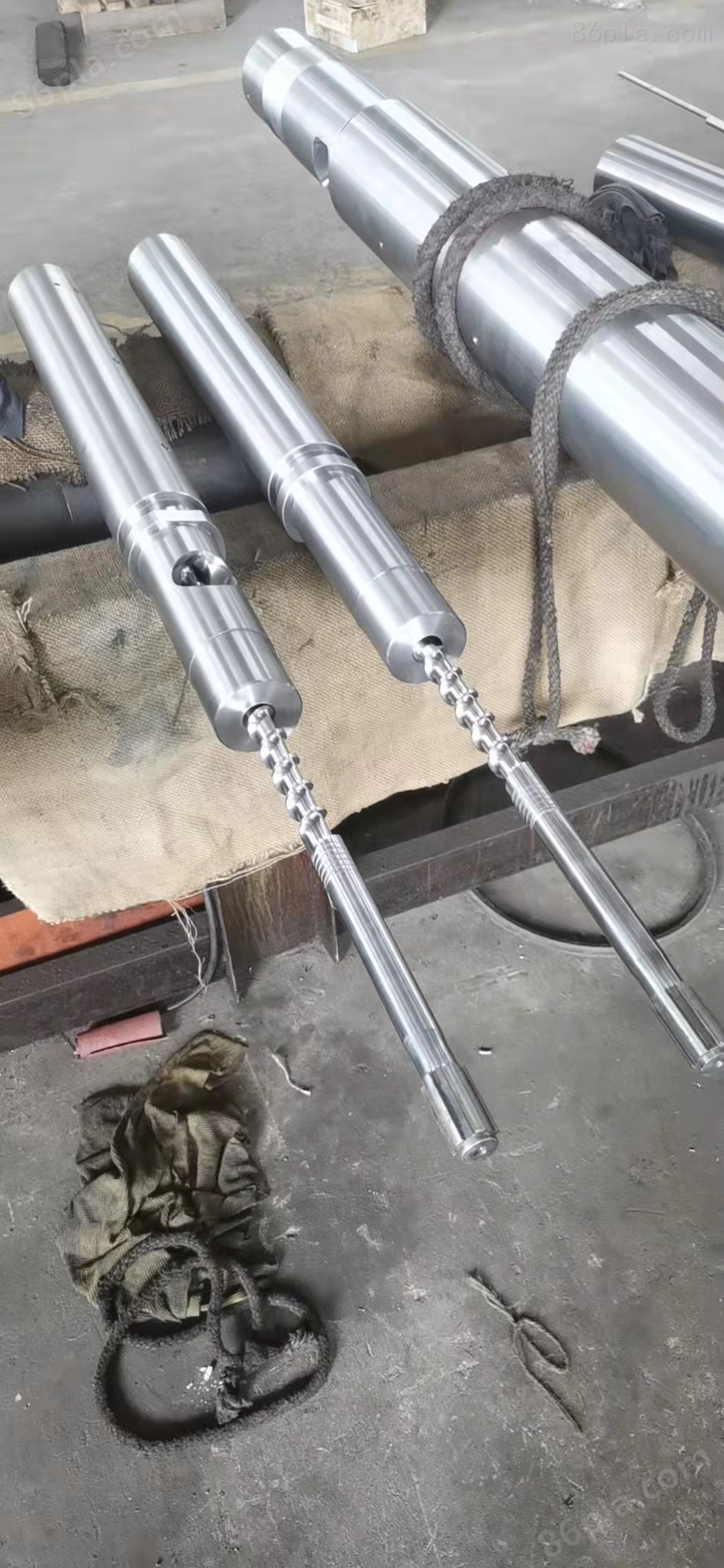
Multi layer bimetallic screw
NegotiableUpdate on 01/12
- Model
- Nature of the Manufacturer
- Producers
- Product Category
- Place of Origin
Overview
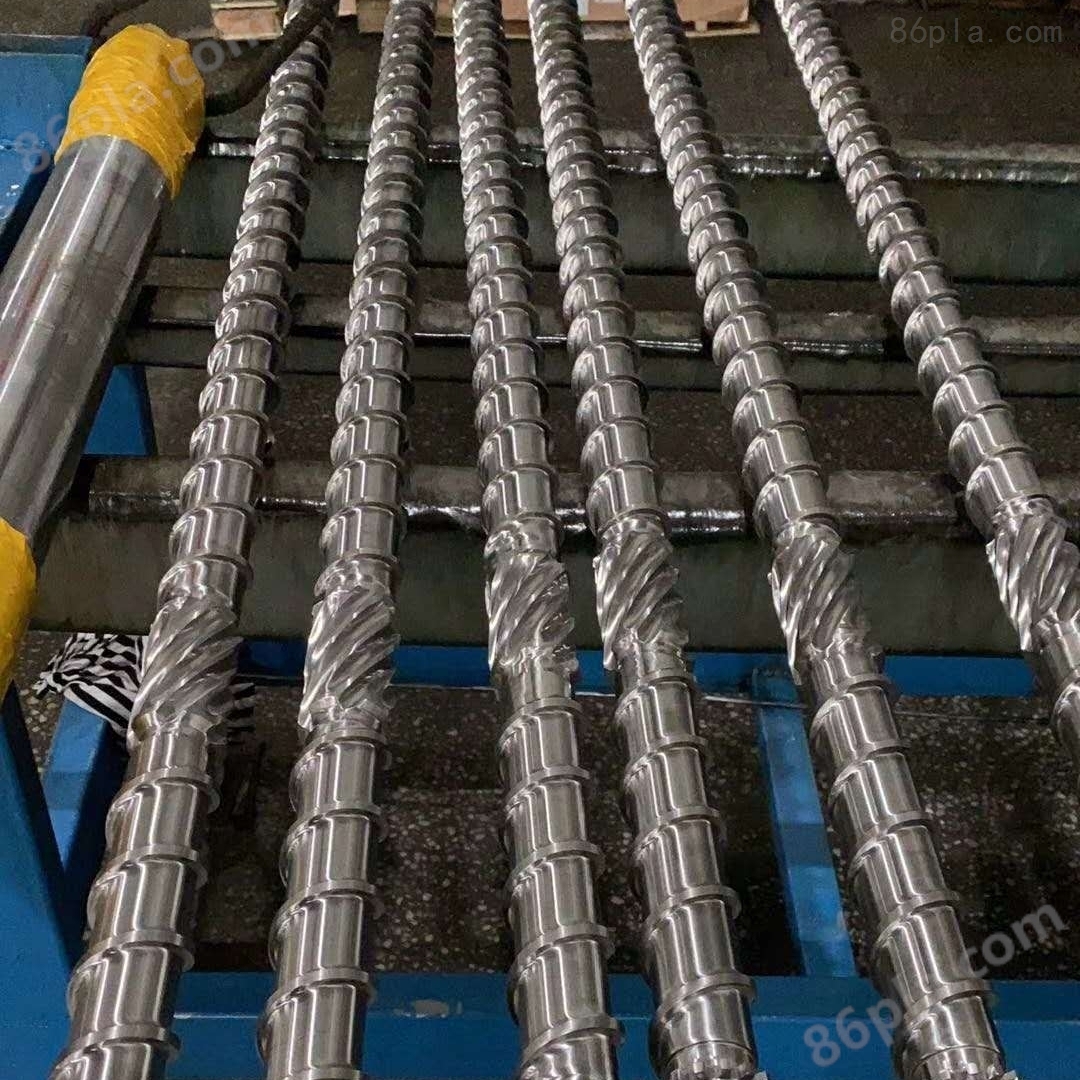
Multi layer bimetallic screws have the characteristics of high strength, corrosion resistance, high temperature resistance, and wear resistance. They can be used for more than half of the time of ordinary barrel screws, reducing the operating and labor costs of many injection molding machine factories.
Product Details
Multi layer bimetallic screwPrecautions for cleaning:
① Prepare ventilation conditions as smoke may be generated during the processing.
② Rotate the screw at a constant speed and heat the surface evenly. Do not only heat the screw at a certain point, otherwise the thermal stress on one side will cause the screw to twist and deform.
③ The temperature of the screw should not exceed 400 ℃ (including the thread), otherwise it will reduce the hardness and wear resistance of the screw.
④ Special care should be taken when handling the check ring, as the thin-walled part on the check ring heats up rapidly.
⑤ Clean with a wire brushscrewPolish the surface of the screw with sandpaper (sand grade 240-280).
⑥ Burn off the residual material on the internal thread (left-hand thread) with a flame, and then clean the thread with a wire brush.
⑦ When screwing on the screw head, apply HSC ointment. Do not use other types of lubricating oil or grease to lubricate the screw threads. These lubricants may undergo coking reactions at high temperatures, and the residue left behind may get stuck in the screw head.
⑧ Avoid letting hard objects hit the screw, causing cracks or fractures in the screw.
⑨ When repairing, especially when repairing heated onesscrewWhen using the barrel, it is necessary to wear a protective face mask and glasses.
Multi layer bimetallic screwMaintenance matters:
Multi layer bimetallic screwMaintenance matters:
1. The diameter of the barrel increases due to wear. If there is still a certain nitriding layer, the inner hole of the barrel can be directly drilled and ground to obtain a new diameter size, and then a new screw can be prepared according to the new diameter.
2. Through machining, the inner diameter of the plastic extruder barrel is trimmed and alloy is re cast, with a thickness controlled between 1-2mm, and then precision machined to the necessary new size.
3. Normally, the wear of the homogenization section of the machine barrel is faster than other positions. The homogenization section can be bored and repaired, and then equipped with a nitriding alloy steel liner. The inner hole diameter should refer to the screw diameter and be left in the normal clearance of the matching table for processing and preparation.
4. Attention should be paid to the materials used in the manufacturing of plastic extruder screws and barrels. Currently, the commonly used materials for manufacturing screws and barrels in China are 45, 40Cr, and 38CrMoAIA, while the commonly used materials for manufacturing screws and barrels in imported extruders are 34CrAINi7 and CrMoV9, which have a yield strength of about 900MPa. After nitriding treatment, it has both wear resistance and good corrosion resistance, with a hardness of over 1000HV.