-
E-mail
1456813138@qq.com
-
Phone
13589264130
-
Address
Mount Huangshan Economic Zone, Jiaonan, Qingdao, Shandong
Product Categories
Qingdao Xincheng Yiming Rubber Machinery Co., Ltd
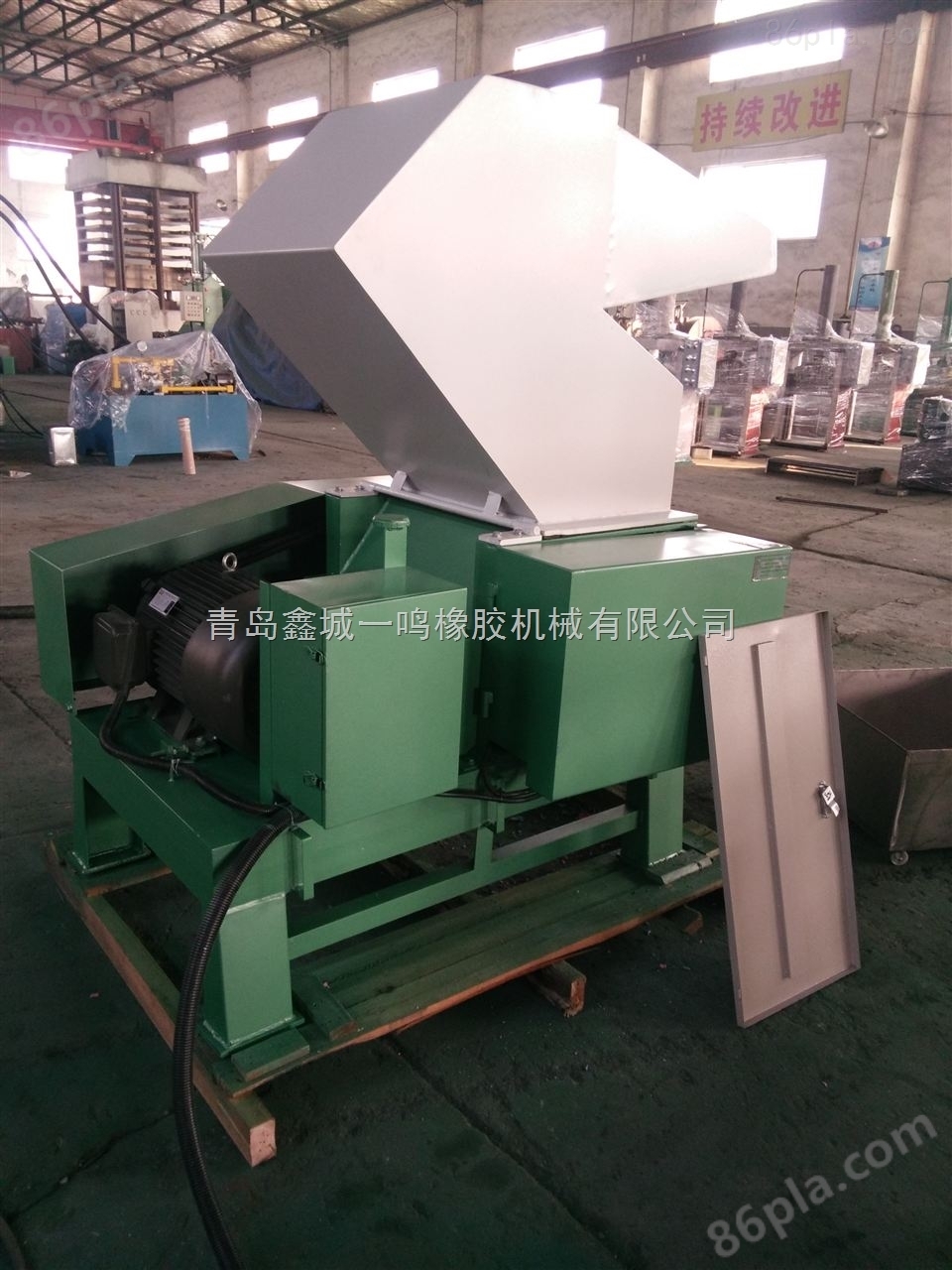
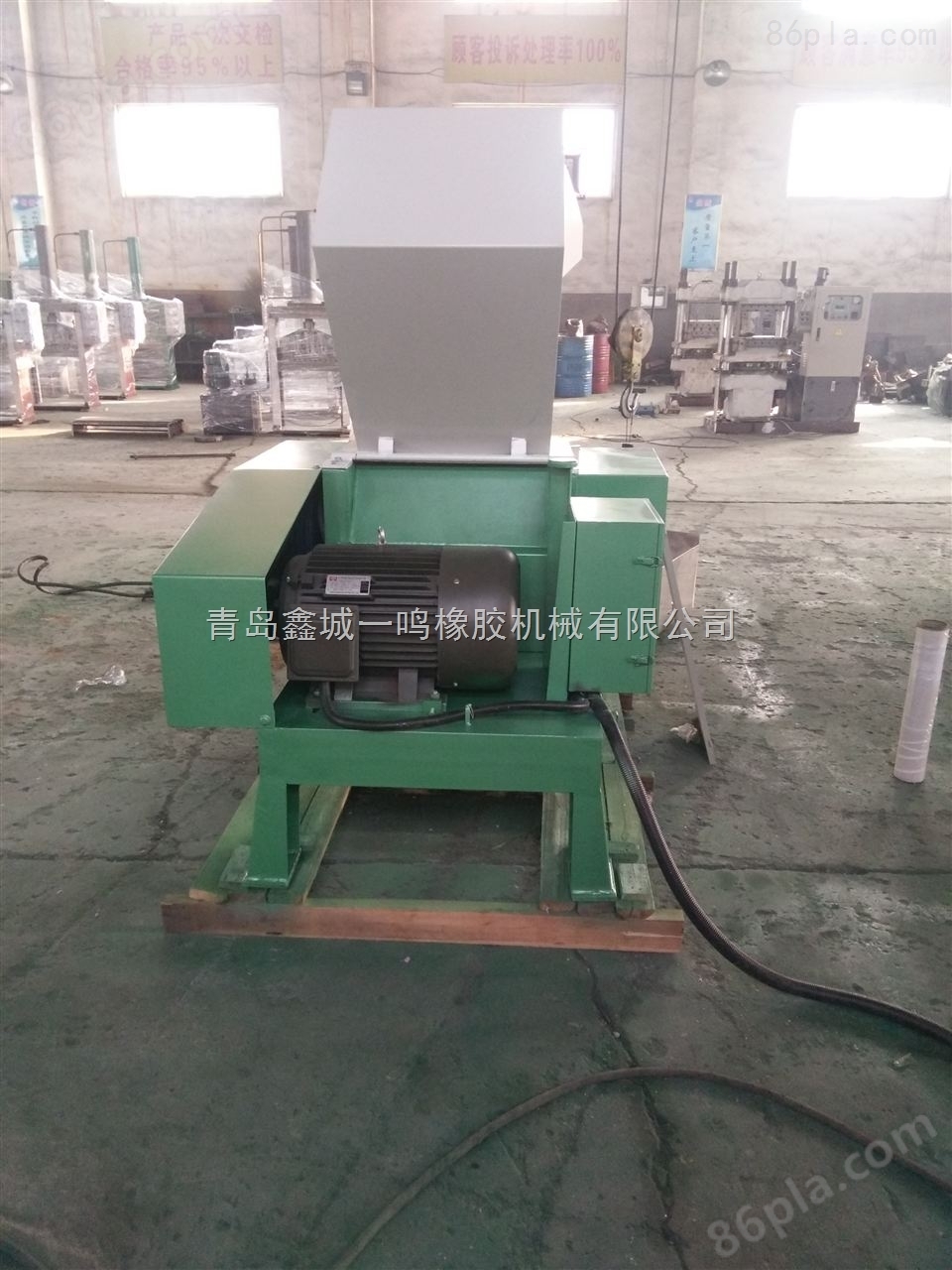
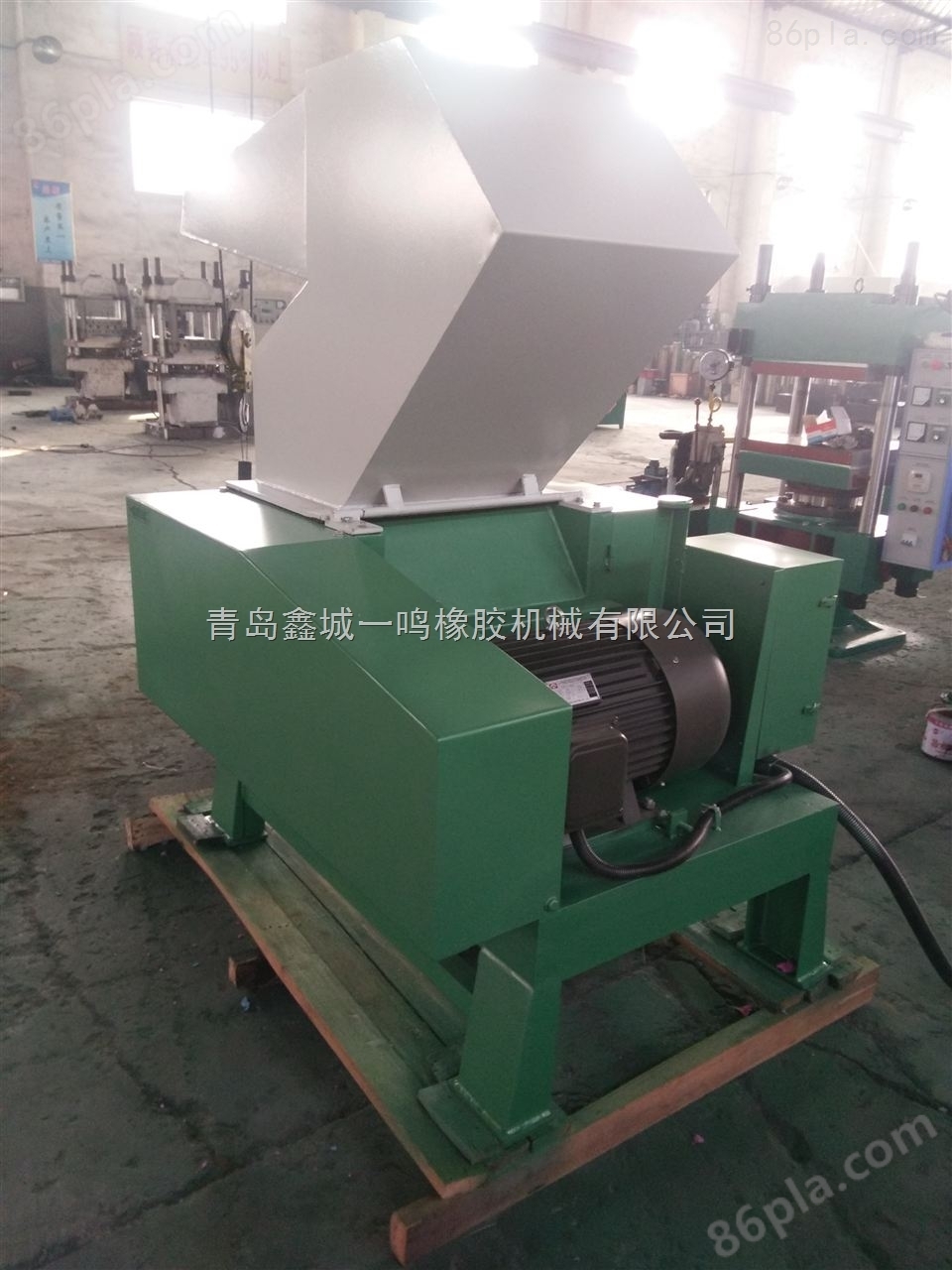
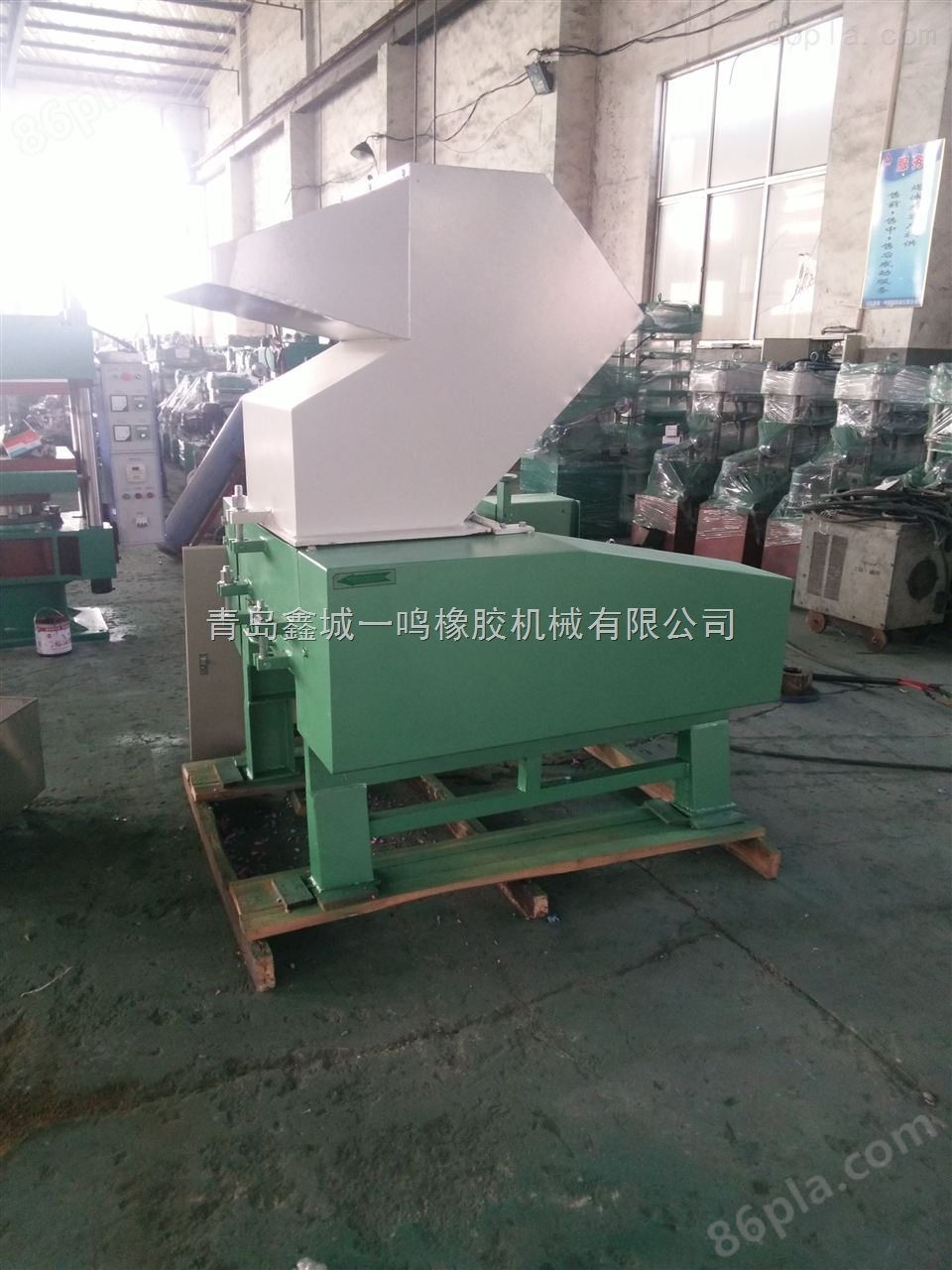
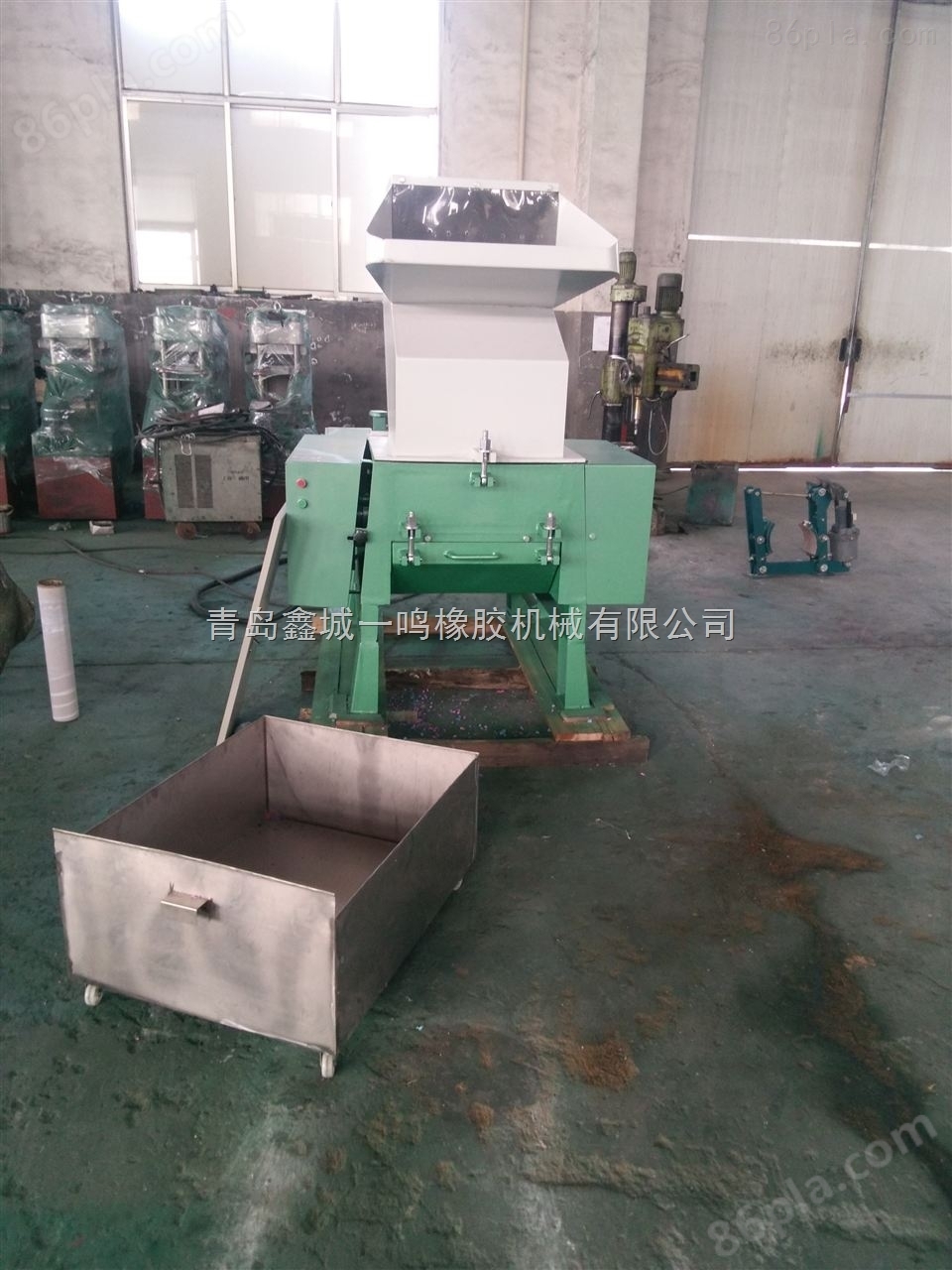
Fully automatic plastic industry crusher
NegotiableUpdate on 01/12
- Model
- Nature of the Manufacturer
- Producers
- Product Category
- Place of Origin
Overview
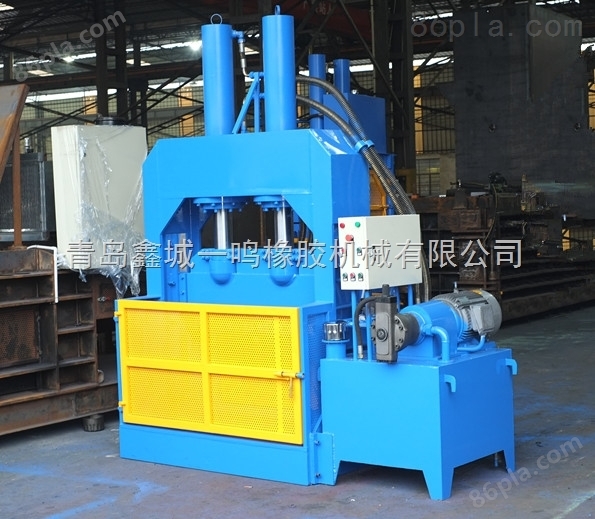
The fully automatic plastic industrial crusher is suitable for crushing and reusing various reverse materials, especially for various types of hard plastics (such as material heads, shoe lasts, etc.), with better results.
Product Details
Characteristics of fully automatic plastic industry crusher
(1) Simple and reasonable structure, low operating cost. By utilizing the principle of stone to stone, there is minimal wear and tear.
(2) High crushing rate and energy-saving.
(3) It has the functions of fine and coarse grinding.
(4) Less affected by the moisture content of the material, with a moisture content of up to 8%.
(5) The working noise is below 75 decibels (dB level), and there is less dust pollution.
(6) Suitable for crushing medium hard and extra hard materials.
(7) The product is cubic in shape, with a high packing density and minimal iron pollution.
(8) The self lining of the impeller has minimal wear and is easy to maintain.
Precautions1. Before starting, the transmission wheel should be manually moved one or two turns to confirm its flexibility before starting the plastic crusher. It is also necessary to wait for the plastic crusher to operate normally before feeding.
2. Before stopping the operation of the plastic crusher, the feeding should be stopped and the materials in the machine should be drained before cutting off the power supply of the motor.
3. During operation, it is important to pay attention to the temperature of the bearings, ensure that they maintain good lubrication, and check for any abnormalities in sound and vibration. When abnormal situations are discovered, the first step should be to stop and check if there are any hard to break objects stuck or if the plastic crusher is damaged.
4. To maintain uniform feeding of the plastic crusher and prevent overload. Strictly prevent unbreakable objects such as metal and wood from falling into the machine. When unable to break, the moisture content of the feed should not be too high; When wet crushing, it is necessary to maintain an appropriate amount of water to prevent blockage due to insufficient flushing and reduce production capacity.
5. Check if the particle size of the crushed product meets the requirements. If there are too many particles exceeding the specified size, the cause should be identified (such as large gaps in the sieve, wide discharge ports, hammer wear, etc.), and appropriate measures should be taken to eliminate them.
6. When parking the plastic crusher, check whether the fastening bolts are firm and the degree of wear on the parts that are prone to wear. For the tooth crusher, it is also necessary to use the parking opportunity to remove the wood sandwiched between the teeth.
7. Worn parts should be replaced or repaired in a timely manner.
8. The safety device of the plastic crusher should be kept in good condition and must not be invalidated for the sake of convenience.
Common problems with fully automatic plastic industry crushers:
1. After the user starts the machine, they should maintain its high speed for 2 ^ 3 minutes. If there are no abnormal conditions, they can then start the feeding process.
2. At work, pay attention to the operation status of the plastic crusher anytime and anywhere. Firstly, the feeding should be balanced to prevent blockage of the edge material room; Secondly, there is no need to work under long-term overload. If vibration, noise, high temperature of rolling bearings and myocardial cells, or spraying of materials are found, the machine should be turned off for inspection first, and the fault detection side can be used again.
Before starting the machine, manually rotate the motor rotor to check if the teeth, hammer blades, and motor rotor are running smoothly and reliably, if there are any impact problems in the crushing room, if the rotation direction of the motor rotor is consistent with the specific direction of the machine head, and if the lubrication of the power machine and products is excellent.
4. There is no need to randomly replace the belt pulley to prevent the crushing chamber from bursting due to too high a speed ratio, or to prevent the crusher from compromising its working efficiency due to too low a speed ratio.
Similar Product Recommend