-
E-mail
1539082550@qq.com
-
Phone
13775206976
-
Address
No. 18, Qinglong Tongjia Industrial Park, Tianning District, Changzhou City
Product Categories
Changzhou Liangbang Instrument Co., Ltd
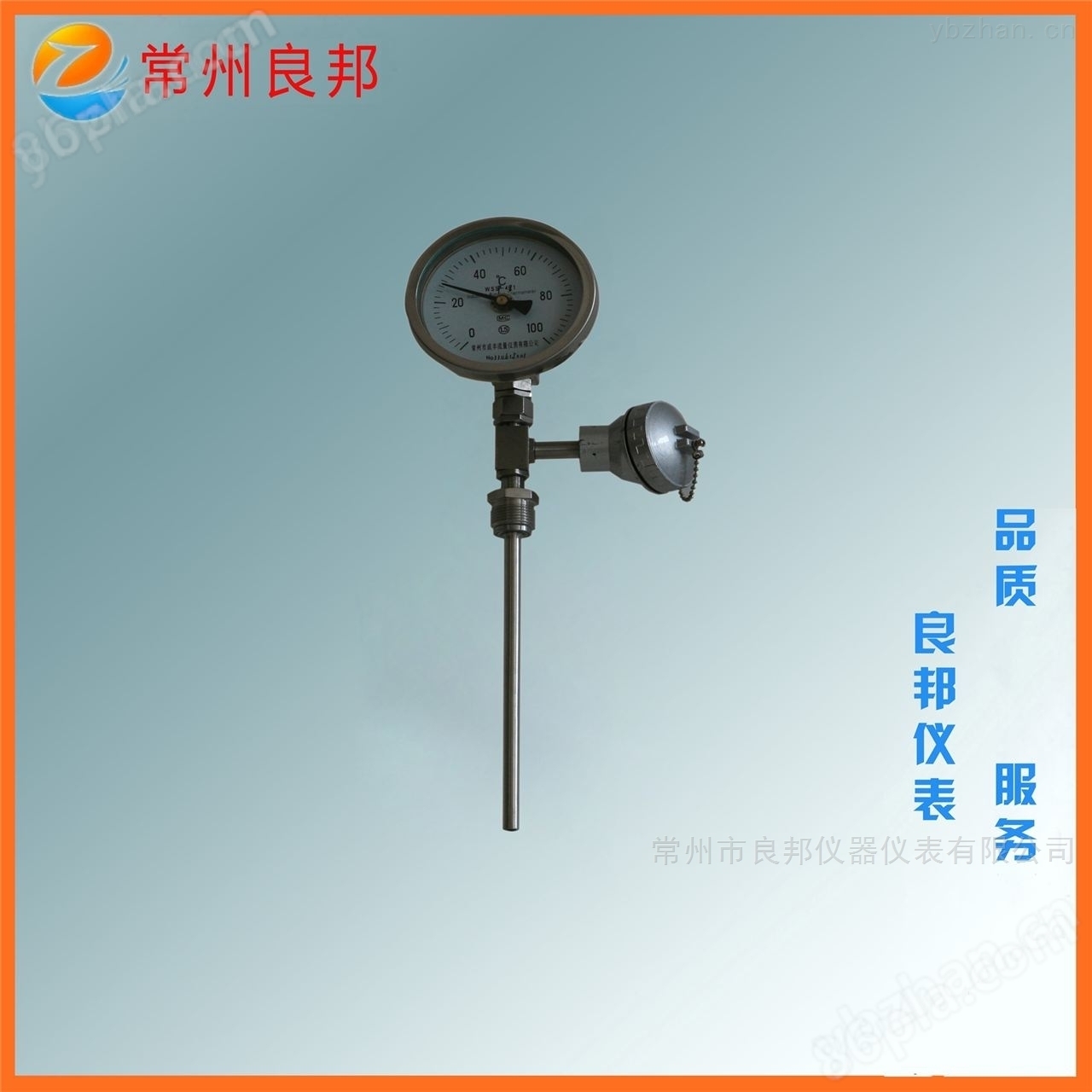
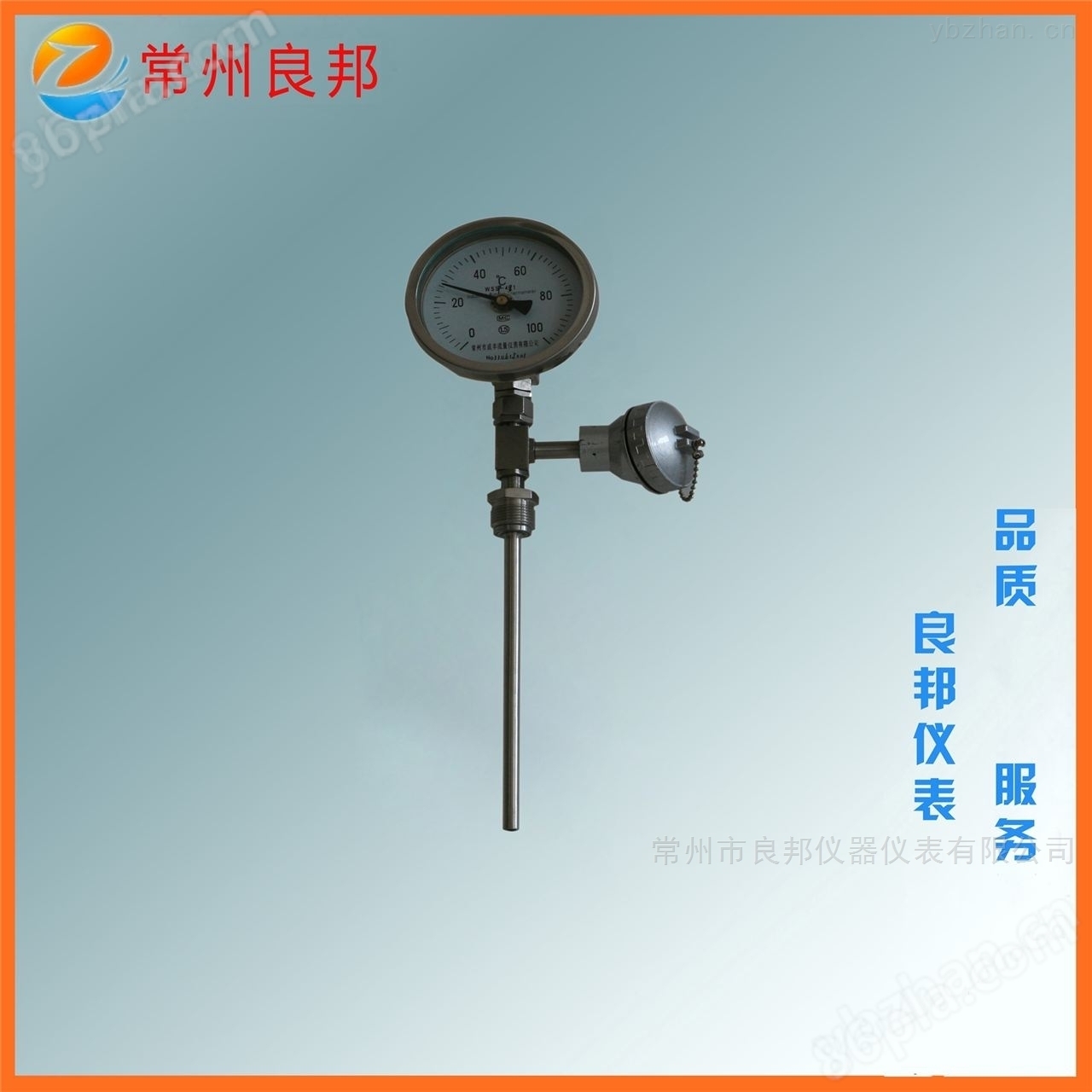
WSS series high-precision thermocouple, thermal resistance, bimetallic thermometer supplied by the manufacturer
NegotiableUpdate on 01/17
- Model
- Nature of the Manufacturer
- Producers
- Product Category
- Place of Origin
Overview
Brief description: High precision thermocouple thermal resistance bimetallic thermometer is a field detection instrument for measuring low and medium temperatures, supplied by manufacturers. Bimetallic thermometers can directly measure the temperature of liquid, vapor, and gas media within the range of -80 ℃ to+500 ℃ in various production processes.
Product Details
High precision thermocouple thermal resistance bimetallic thermometer is an on-site detection instrument for measuring low and medium temperatures. Bimetallic thermometers can directly measure the temperature of liquid, vapor, and gas media within the range of -80 ℃ to+500 ℃ in various production processes.
Principle structure
A bimetallic thermometer is a temperature sensing device made by winding a threaded bimetallic strip into a spiral shape and installing it inside a protective sleeve. One end is fixed, called the fixed end, and the other end is connected to a thin shaft, called the free end. A pointer is installed on the free end axis. When the temperature changes, the free end of the temperature sensing device rotates accordingly, driving the pointer on the thin shaft to produce an angle change, indicating the corresponding temperature on the dial
High precision thermocouple, thermal resistance, bimetallic thermometer supplied by the manufacturerPerformance characteristics
1. It has the characteristics of small temperature probe, high sensitivity, linear scale, and long service life.
2. It has multiple functions such as remote output resistance signal (PT100), earthquake resistance, corrosion resistance, and high-power switch signal.
3. The structural form is the same as similar products and can replace imports.
Technical parameters
1. Temperature measurement range -40~600 ℃
2. Environmental temperature -10~55 ℃
3. Relative humidity ≤ 95%
4. Accuracy of 1.5
5. Time constant ≤ 60S
6. Probe withstand voltage ≤ 6Mpa
7. Probe diameter: φ 8-10mm, movable external thread: M27 * 2
8. Thermal resistance PT100 (single or dual output) or 4-20mA current output
9. Protection, etc.: IP55
High precision thermocouple, thermal resistance, bimetallic thermometer supplied by the manufacturermaintenance use
1. During the storage, installation, use, and transportation of bimetallic thermometers, collision with protective tubes should be avoided as much as possible, and protection should not be used Bending and deformation of the protective tube. During installation, it is strictly prohibited to twist the instrument housing.
2. The instrument should operate normally within an ambient temperature range of -30 ℃ to 80 ℃.
3. The temperature at which the instrument frequently operates can be between 1/2 and 3/4 of the scale range.
4. The length of the bimetallic thermometer protection tube immersed in the measured medium must be greater than the length of the temperature sensing element. Generally, the immersion length is greater than 100mm, and the immersion length for the 0-50 ℃ range is greater than 150mm to ensure measurement accuracy.
5. Various bimetallic thermometers are not suitable for measuring the temperature of media in open containers, and live contact thermometers are not suitable for use in control circuits with high working vibration.
6. During the storage, installation, and transportation of bimetallic thermometers, collision with the protective tube should be avoided, and the protective tube should not be bent or deformed, and the thermometer should not be used as a wrench.
7. The thermometer should be regularly inspected under normal use. It is generally recommended to do so every six months. Electric contact thermometers are not allowed to operate under strong vibrations to avoid affecting the reliability of the contacts.
Similar Product Recommend