-
E-mail
674338455@qq.com
-
Phone
18611900152
-
Address
Institute of Physics, Chinese Academy of Sciences, Zhongguancun, Haidian District, Beijing
Product Categories
Beijing Beidouxing Technology Co., Ltd
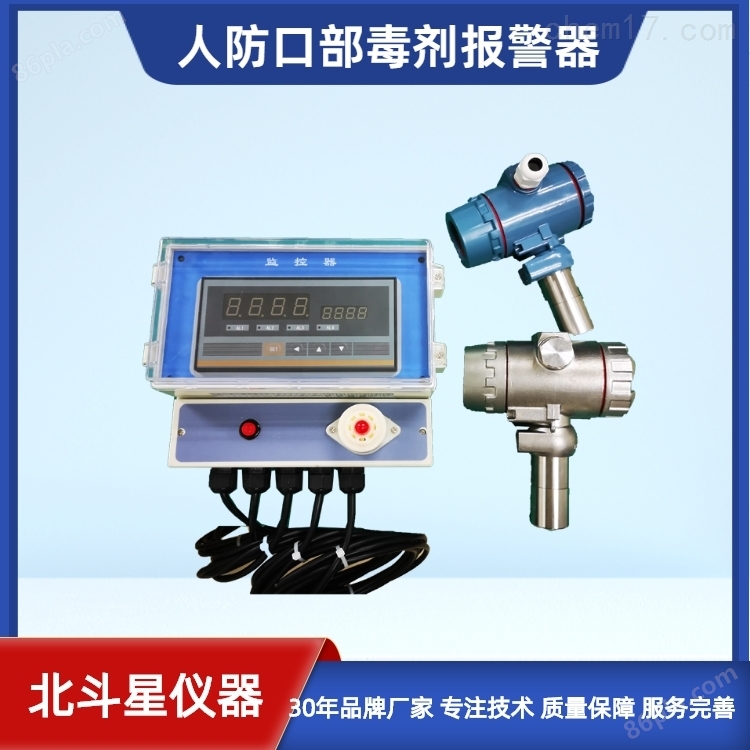

Supplier of oral poison alarm system
NegotiableUpdate on 01/17
- Model
- Nature of the Manufacturer
- Producers
- Product Category
- Place of Origin
Overview
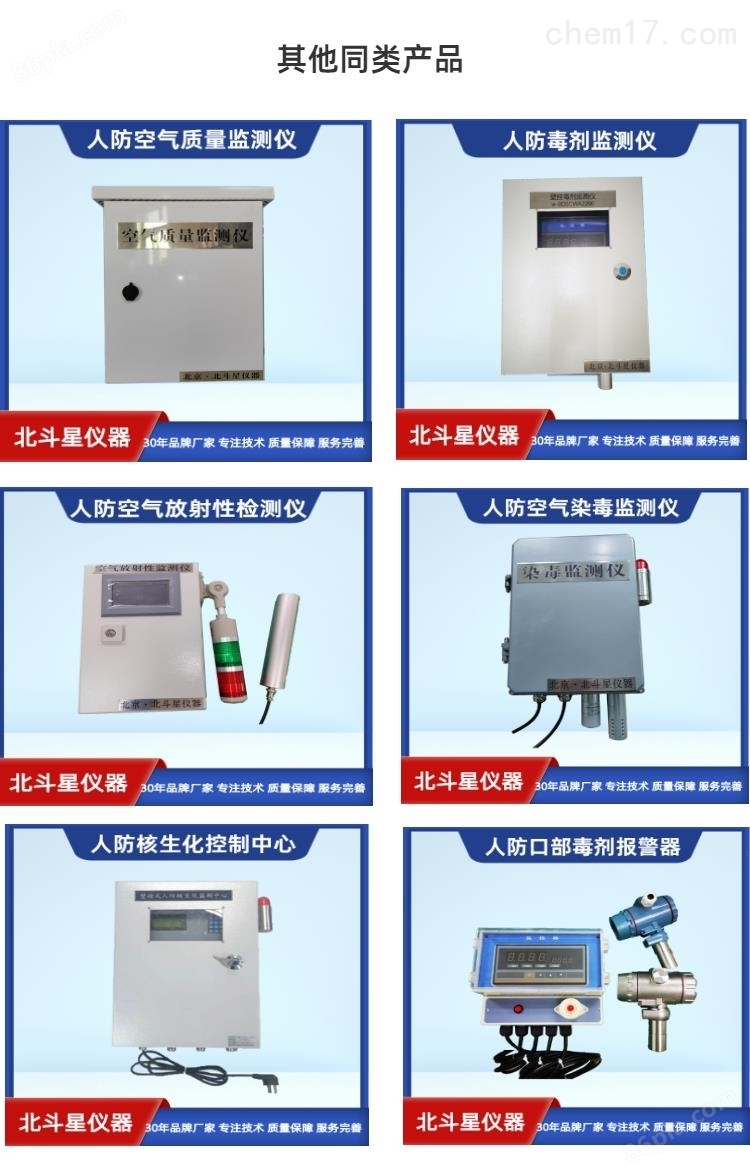
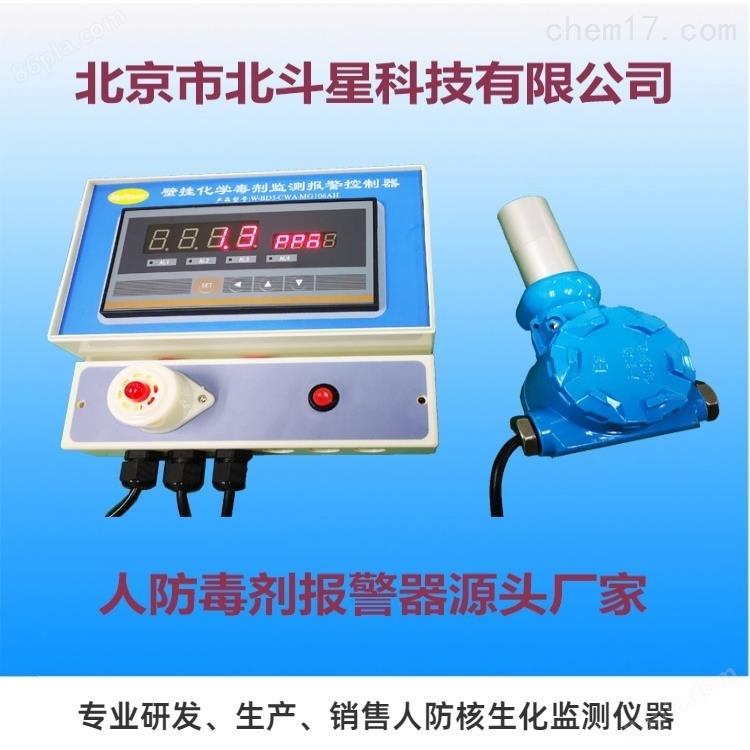
Beidou Star Instrument mainly develops, produces, and sells civil defense engineering nuclear and chemical detection instruments such as the mouth poison alarm W-BD5-CWA2290, W-BD8-CWA-MG106AH air poisoning monitoring instrument, AQM air quality monitoring instrument, ARM6103 air radioactivity detector, nuclear and biological monitoring control center, poison monitoring instrument, and phosphorus containing poison alarm.
Product Details
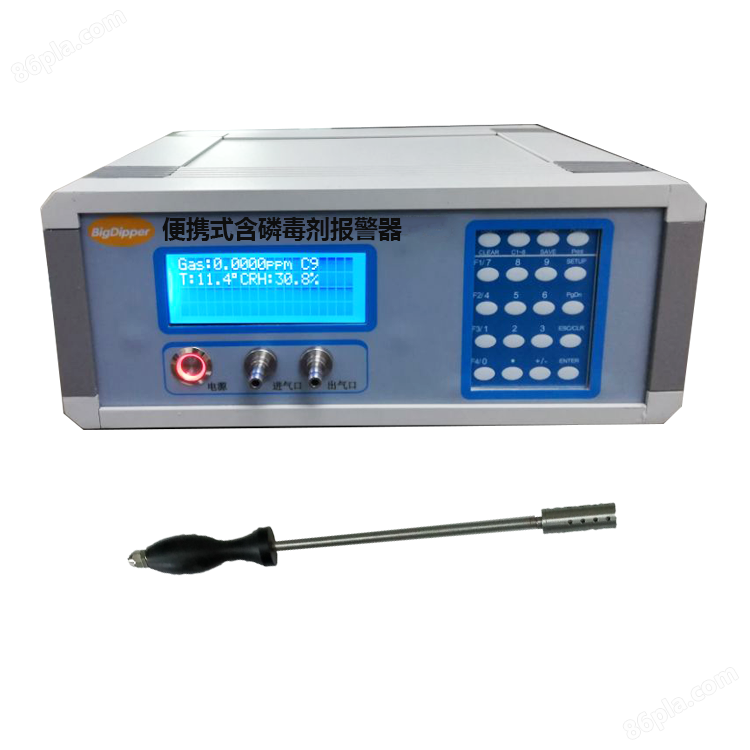
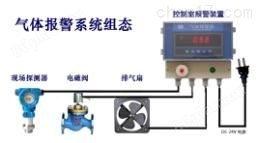
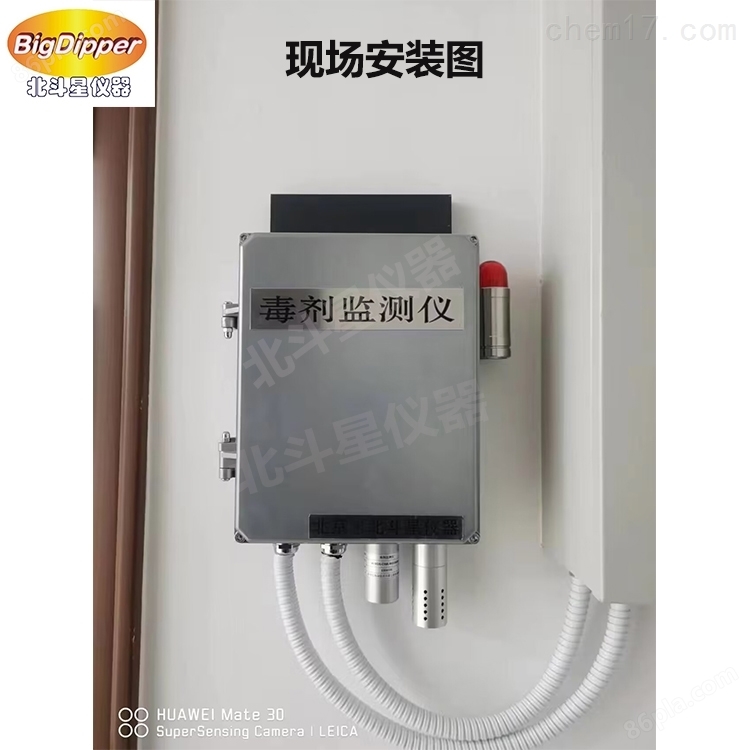
Usage of oral poison alarm: automatic ventilation and air exchange control for civil air defense engineering, real-time detection and alarm of poison.Oral Poison Agent Alarm W-BD5-CWA2290Suitable for rapid, accurate, and continuous concentration determination of chemical agents containing sulfur and phosphorus elements, as well as sulfur and phosphorus compounds, Lewis gas, mustard gas, phosgene, sarin, thiamine, and tabon. It can be used for real-time and long-term online monitoring in public places such as sports venues, civil defense projects, subways, tunnel projects, underground garages, military warehouses, hospitals, kindergartens, schools, large supermarkets, parks, laboratories, and production units of pesticides, chemicals, semiconductor materials, etc.
Oral Poison Agent Alarm W-BD5-CWA2290The detection of gases (applicable for chemical agent detection) is as follows:
gas detection |
1) Organic phosphorus gas: 0.1-100ppm 2) HD:0.02-20ppm 3) L:0.02-20ppm 4) GA,GB,GD,GF,GE,Vx,Ve,VG, VS,VR,HS,HD,HT,HN,Lewisite,M-1,MD , ED, DA, CDA, BZ, CN, CNS,PS, CN-PS/CNB,Adamsit, CN-DM,BA, CA, CD, |
|
sensor technical indicators |
1) Detection range: 1-30ppm 2) Response time:<10ms 3) Repetition accuracy: ≤± 3% FS 4) Toxic agent detection |
Technical parameters of civil air defense chemical agent alarm:
signal output |
4-20MA, 485, choose one of three switch values |
accuracy |
≦±1%FS |
repetitiveness |
≦1% |
alarm method |
Sound and light dual alarm |
Working Voltage |
Probe: 12-24V DC power supply, control alarm host: DC220V |
Operating Temperature |
-40℃~70℃ |
Operating Humidity |
0-95%RH |
Sensor lifespan |
1-2 years |
Explosion-proof rating |
Ex dⅡCT6 |

Other applications of toxic gas alarm:
Application Application
Air background single organic matter and individual inorganic matter gas concentration testing: including gases, acetaldehyde, acetylene, acrylic acid, ammonia, boron arsenide, boron trichloride, bromine gas, hydrogen bromide, 1-3 butadiene, butyl acrylate, butylamine, secondary, butyl mercaptan, tertiary, chlorine gas, chlorine dioxide, ethylborane, dichlorosilane, diethylamine, diethylaminoethanol, dimethylamine, dimethylamine, dimethyl sulfide, epichlorohydrin, ethanol, ethyl acrylate, ethylene, epoxyethane, ethyl mercaptan, fluorine gas, formaldehyde, germanium hydride, isopropanol, isopropylmercaptan, carbon monoxide, methanol, methyl mercaptan, methyl methacrylate, morpholine, trichlorfon, propylene. epichlorohydrin, N-propyl mercaptan, oxygen, sulfur dioxide, hydrogen sulfide, selenium hydride, silane, silicon tetrachloride, nitrogen dioxide, nitric oxide, tetrahydrothiophene, thionyl chloride, titanium tetrachloride, trichlorosilane, trimethylamine, trimethylborane, ester vinyl ester, vinyl chloride, hydrogen gas, hydrogen peroxide, tin tetrachloride, methylamine, triethylamine, phosphoryl chloride, etc
Environmental indicators VOC, VOCs or CWD
Detection of military toxins, war agents, propellants, etc
Human animal respiratory and excretory gas detection
Hospital waste, medical waste, and industrial odor detection
Toxic gas detection
Detection of volatile substances in refrigerants, fire extinguishing agents, and insulation media
Detection of pesticides, insecticides, etc
Stimulating chemical substance detection
Laboratory smoke detection
Gas safety detection
Environmental inspection
Leakage detection
Residual gas detection
Detection of toxic and other dangerous goods
Flammable gas testing, labor safety testing
Monitoring of pollution sources/discharge outlets
Similar Product Recommend