-
E-mail
2818500651@qq.com
-
Phone
13913766839
-
Address
No. 8 Xiangtang Road, Guizhuang, Shaxi Town, Taicang City, Suzhou City, Jiangsu Province
Product Categories
Taicang Haoda Chemical Anti corrosion Equipment Factory
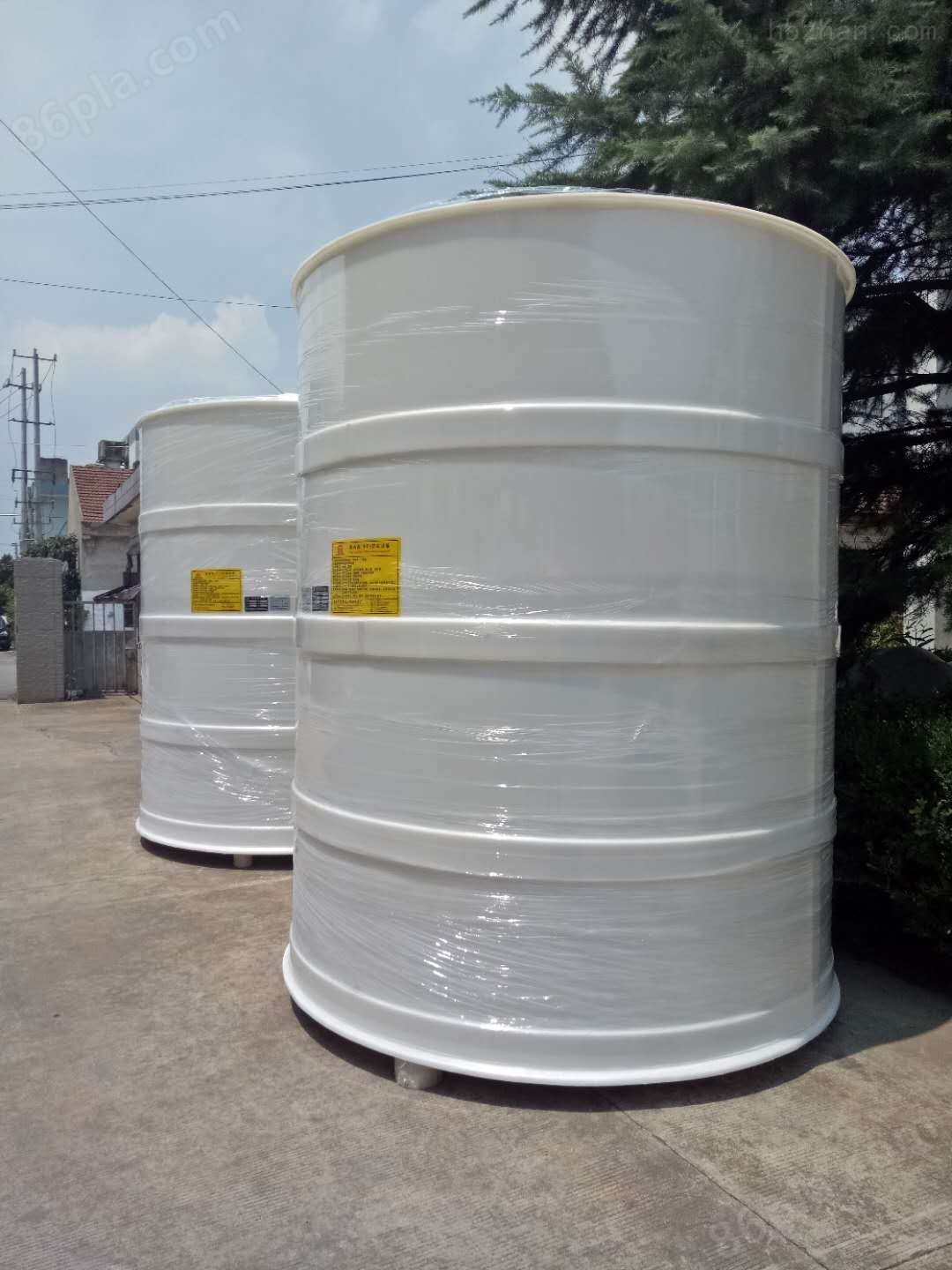
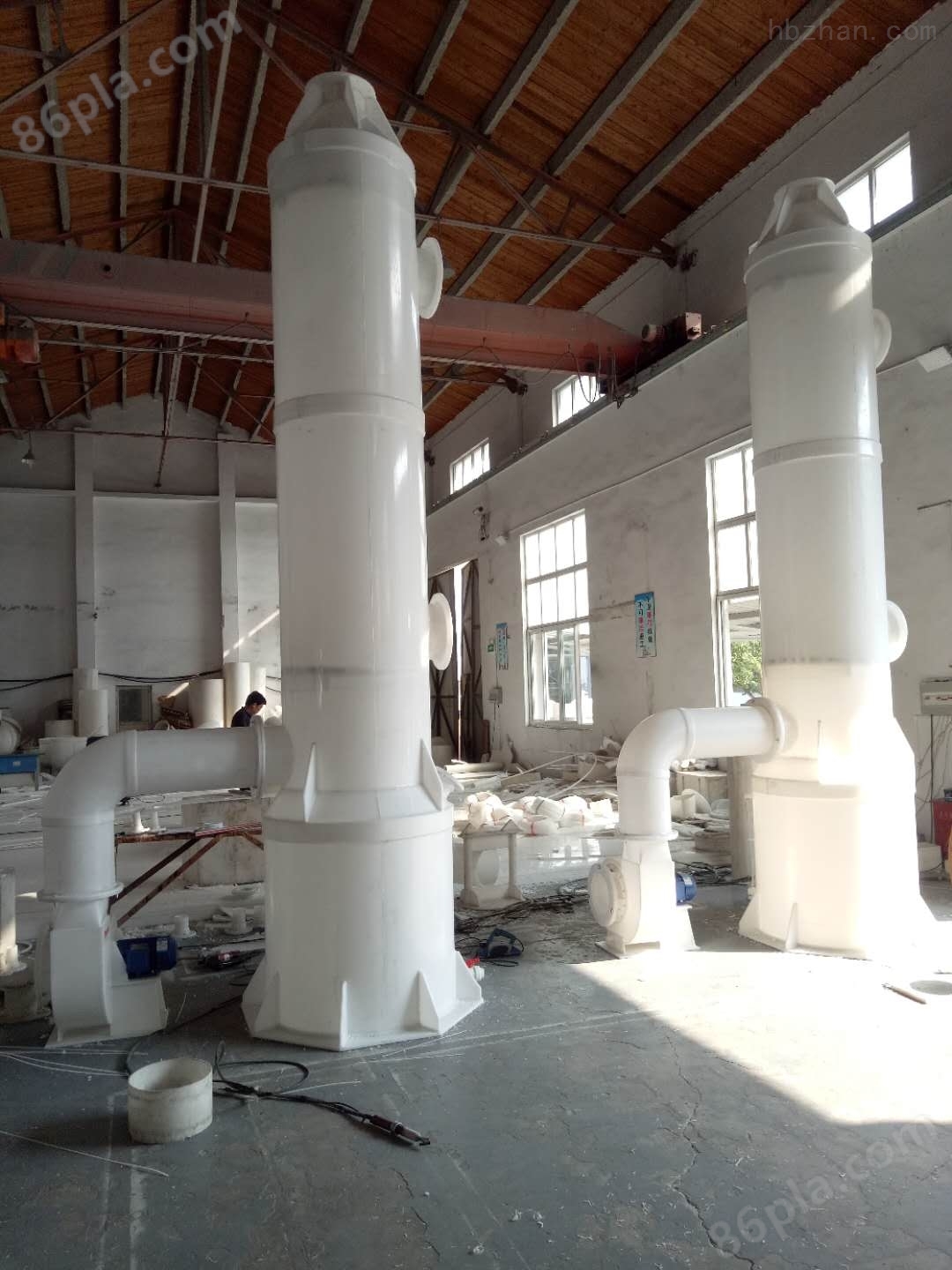

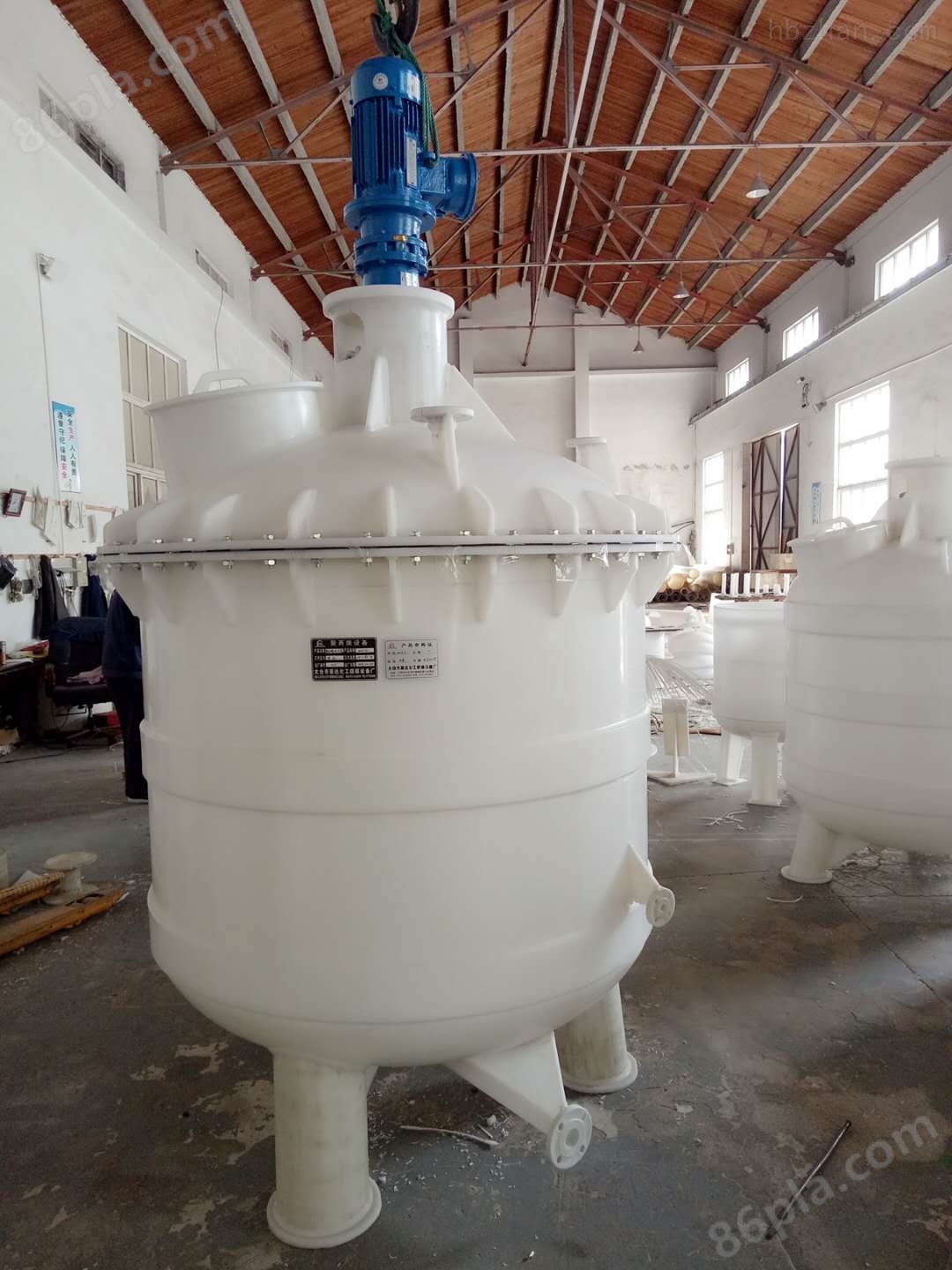
Quotation for environmentally friendly chemical polypropylene fan
NegotiableUpdate on 01/17
- Model
- Nature of the Manufacturer
- Producers
- Product Category
- Place of Origin
Overview
Shantou polypropylene fan manufacturer f. also started the right backwash pump to backwash the second compartment. Stop the pump after backwashing. After stopping the pump for 1 second, walking and driving are allowed. Drive the vehicle to the second section of the filter compartment. When the indicator light for the second section of the filter compartment on the electrical control cabinet turns green, stop driving. At this time, the indicator light for the second section of the filter compartment on the electrical control cabinet is showing green. Turn on the pumps separately to backwash the two compartments of this section of the filter compartment. If the second section filter compartment indicator light on the electrical control cabinet does not display green, it is not allowed to turn on the pump. Similarly, drive the vehicle to the third and fourth filter compartments, and turn on the pumps for each compartment separately
Product Details
Shantou polypropylene fan manufacturer

f. Similarly, turn on the right backwash pump to backwash the second compartment. Stop the pump after backwashing. After stopping the pump for 1 second, walking and driving are allowed. Drive the vehicle to the second section of the filter compartment. When the indicator light for the second section of the filter compartment on the electrical control cabinet turns green, stop driving. At this time, the indicator light for the second section of the filter compartment on the electrical control cabinet is showing green. Turn on the pumps separately to backwash the two compartments of this section of the filter compartment. If the second section filter compartment indicator light on the electrical control cabinet does not display green, it is not allowed to turn on the pump. Similarly, drive the vehicle to the third and fourth filter compartments, and turn on the pumps to backwash the two compartments of this filter compartment separately. At this point, the backwash operation is complete.
A condenser is a component of a refrigeration system, belonging to a type of heat exchanger. It can convert gas or vapor into liquid and quickly transfer the heat in the pipes to the air near the pipes. The working process of the condenser is an exothermic process, so the temperature of the condenser is relatively high.
Power plants use many condensers to condense the steam discharged from turbines. Condensers are used in refrigeration plants to condense refrigeration vapors such as ammonia and fluorocarbons. Condensers are used in the petrochemical industry to condense hydrocarbons and other chemical vapors. The device that converts vapor into liquid during the distillation process is also known as a condenser. All condensers operate by taking away the heat from gases or vapors.
Shantou polypropylene fan manufacturer

Yao et al. modified activated carbon with alkaline solution, and after modification, the adsorption capacity and surface area for benzene can reach 121In/g and 423mg/g. Tham et al. prepared a batch of activated carbon (DS: C) by modifying it with H3PO4 solution, and investigated the removal effect of different activated carbons on toluene waste gas with different contents. The results showed that the BET specific surface area of activated carbon could reach 144m/g, and the toluene removal efficiency was 3% H, PO. Activated carbon fiber is a third-generation activated carbon product made from ultrafine fibers such as viscose fibers, which are carbonized at high temperatures and then activated with water vapor. The micro particles L of activated carbon fibers directly extend to the outer surface, and the diffusion distance within the adsorbate molecules is relatively short, which is 1 to 1 times higher than the adsorption capacity of general activated carbon. The absorption method uses the principle of similar compatibility to absorb waste gases containing benzene compounds using substances with similar physical and chemical properties. The absorption method has the advantages of simple equipment structure, easy maintenance, simple process, easy operation, and low cost. However, there are limitations in its application, such as the selection of absorbent, the recovery and regeneration of absorbent, and the treatment of secondary pollution. Chen Wei and others designed a circulating spray device made of waste engine oil and iron filings (see), which uses the principle of similar compatibility to absorb exhaust gas. The experimental results show that the removal efficiency of benzene, toluene, and xylene can all reach over 9%. This device has the advantages of small footprint and waste to waste treatment, but it also has disadvantages such as organic gas volatilization during the absorption process.
The components of a refrigeration system belong to a type of heat exchanger, which can convert gas or vapor into liquid and quickly transfer the heat in the pipes to the air near the pipes. The working process of the condenser is an exothermic process, so the temperature of the condenser is relatively high.
Power plants use many condensers to condense the steam discharged from turbines. Condensers are used in refrigeration plants to condense refrigeration vapors such as ammonia and fluorocarbons. Condensers are used in the petrochemical industry to condense hydrocarbons and other chemical vapors. The device that converts vapor into liquid during the distillation process is also known as a condenser. All condensers operate by removing heat from gases or vapors

Noise reduction control of the main noise sources: Mechanical equipment with excellent craftsmanship and low noise is used. The equipment procurement contract specifies the requirements for limiting equipment noise and controls it from the source of noise. Take noise reduction measures for high noise equipment, such as installing small hole mufflers at the high-pressure steam emergency discharge outlet, fan inlet and outlet, waste heat boiler safety valve exhaust and ignition exhaust outlet, and main steam main pipe exhaust outlet; External noise isolation covers for equipment such as generators and water pumps; Install vibration dampers such as rubber joints at the inlet and outlet of fans and water pumps; Vibration damping pads are installed on basic equipment such as water pumps to control the propagation of noise through different pathways. Improve the level of automatic control, and achieve parameter detection and automatic operation of high noise equipment such as fans and pumps without the need for personnel to work on site.
Good corrosion resistance: Polypropylene has excellent chemical resistance. For inorganic compounds, regardless of acid, alkali or salt solutions, except for oxidation, it has no destructive effect until almost 100 ℃. It does not dissolve in almost all solvents at room temperature. Generally, alkanes, alcohol powders, aldehydes and other media can be used with this equipment.
Small size and light weight: Due to the specific gravity of polypropylene being only 0.91-0.93, it is a lightweight material among resins, making this equipment very easy to install and maintain.
High temperature resistance, the melting point of this product is 164-174 ℃, so the general use temperature can reach 110-125 ℃, and it will not deform even at 150 ℃ without external force.
Non toxic, non scaling, non polluting medium, and can also be used in the food industry.
Due to the above characteristics, this equipment is suitable for use as a heat exchange device in various industries such as chemical, light industry, metallurgy, pharmaceuticals, food, and chemical fibers. It is particularly suitable for use as a condenser, replacing the original stainless steel, enamel, graphite, and glass condensers. After using it for eight years, it fully embodies the above advantages.
Due to the current production specifications of polypropylene pipes in China, with a diameter of 630mm, the production of heat exchangers with an area of over 60 square meters requires coil manufacturing. Currently, our factory can produce heat exchangers with a heat exchange area of over 200m2.

CC: The S process does not have high requirements for sewage pretreatment, only mechanical grilles with a gap of 15mm and sedimentation tanks are installed. The core of biological treatment is the CC: S reaction tank, where functions such as phosphorus removal, nitrogen removal, degradation of organic matter and suspended solids are completed, and the effluent can meet the discharge standards. The pre treated sewage continuously enters the pre reaction tank at the front of the reaction tank. In this area, most of the soluble BOD in the sewage is adsorbed by activated sludge microorganisms and enters the reaction zone together at a low flow rate (. 3-.5m/min) through the holes in the lower part of the main and pre reaction zone partition walls. Operate in the main reaction zone according to the cycle of aeration, idle, settling, and decant, to complete the decarbonization and denitrification of sewage in the aerobic anaerobic cycle, and the phosphorus removal in the aerobic anaerobic cycle.
When placing an order, please refer to the performance information in the product manual and select the appropriate medium and usage conditions.
The specification area of each heat exchanger is determined by the subscriber. Please refer to the heat exchanger specification table for the heat exchanger and shell diameter.
If multiple layers of baffles are required for the shell process, the quantity can be provided for on-demand manufacturing.
When placing an order, it is necessary to specify the form of placement, such as changing the pipe connection and the position of the connecting pipe.
Plastic equipment is brittle and should be handled with care. During installation, bolts should be slowly tightened to avoid damaging the equipment.
The heat exchanger support can be self-made or machined according to the user's drawings.
When driving, add cooling water first and avoid contact with open flames.

That is to say, HEP has a filtering ability of 99.97% for PM.3 and may have a filtering ability of 99.99% for PM.1. There is a misconception in our previous understanding of HEP as a filter. The advantage of HEP is its mature technology, and due to the use of physical filtration, it will not cause secondary pollution. The disadvantage is that HEP has a high wind resistance, which requires a high fan. The higher the HEP, the greater the wind resistance of the filter. Another issue is the maintenance cost that users are more concerned about. Due to the much lower air quality in Beijing and other places compared to European and American countries, the lifespan of HEP: filters can only be maintained for about six months, and replacement costs are expensive. In addition, there is no corresponding recycling mechanism in China, which causes pollution to the environment.
Similar Product Recommend