-
E-mail
2818500651@qq.com
-
Phone
13913766839
-
Address
No. 8 Xiangtang Road, Guizhuang, Shaxi Town, Taicang City, Suzhou City, Jiangsu Province
Product Categories
Taicang Haoda Chemical Anti corrosion Equipment Factory
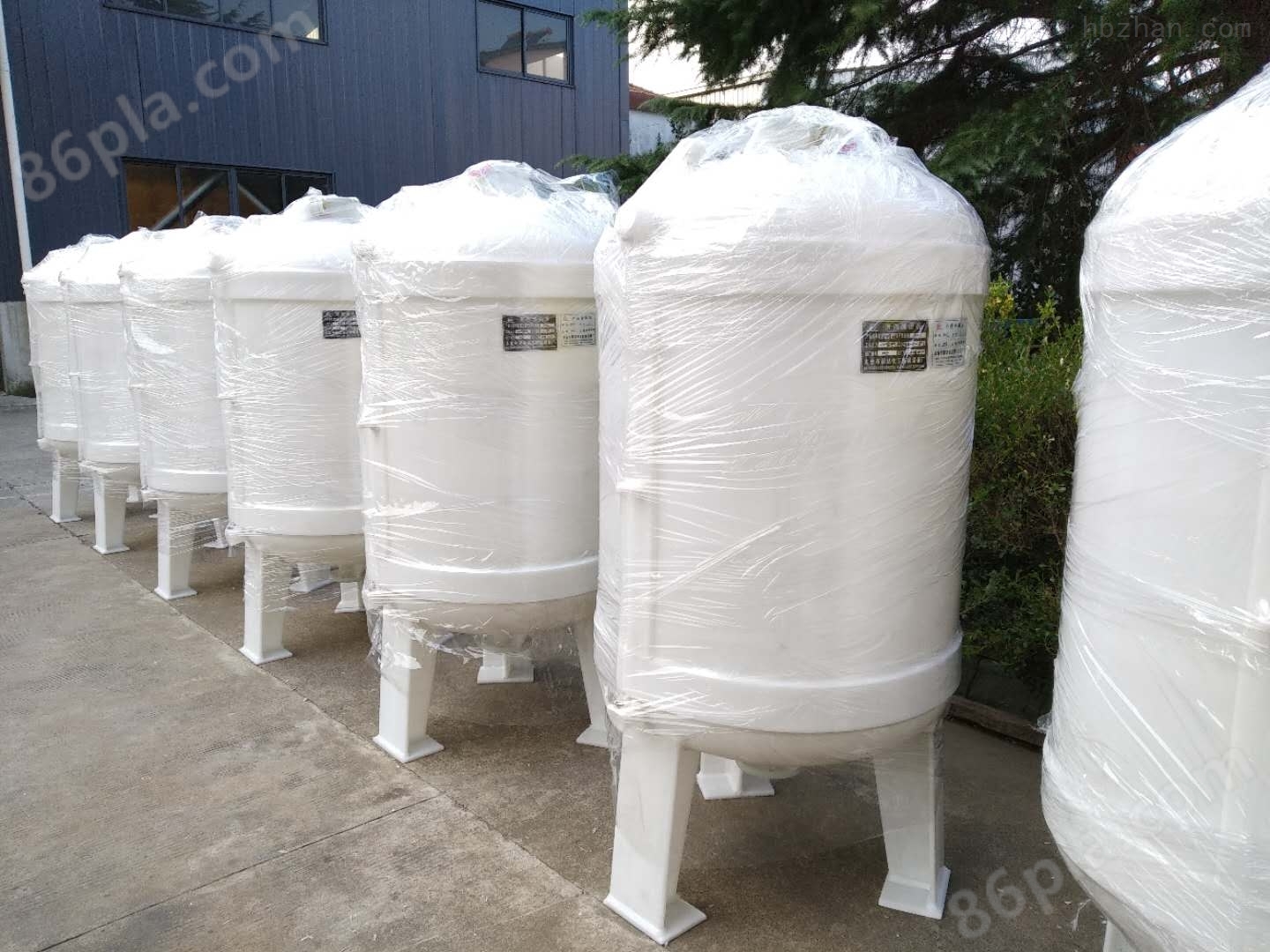

Energy saving polypropylene reactor quotation
NegotiableUpdate on 01/17
- Model
- Nature of the Manufacturer
- Producers
- Product Category
- Place of Origin
Overview
How much does the Xuchang polypropylene reactor cost? It can also use a step-by-step regeneration method to gradually increase the concentration of the regeneration solution and slow down the regeneration flow rate. Once calcium sulfate precipitation is found in the resin, the commonly used method is to first backwash with a large amount of soft water, and then repeatedly clean with~1% HCl (3 bed volumes) at L/h/L. However, it should be noted that the dissolution rate of HCl and calcium sulfate is slow, so multiple washes are required. Another method is to use EDT: sodium salt, but it is expensive and an exothermic reaction, so attention should be paid when using it. Silicon pollution and treatment: Silicon compound pollution occurs in strong alkali anion exchangers, especially
Product Details
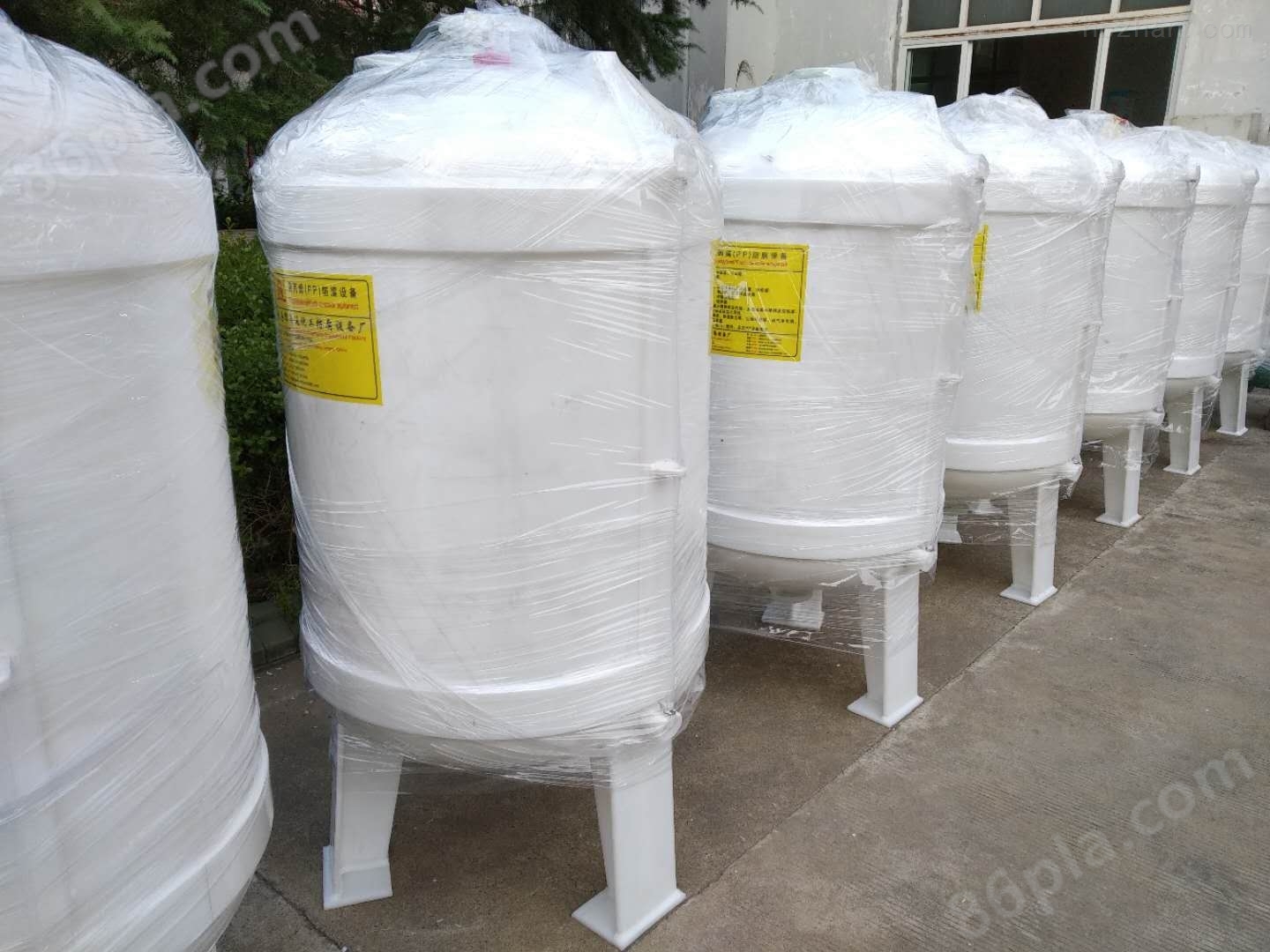
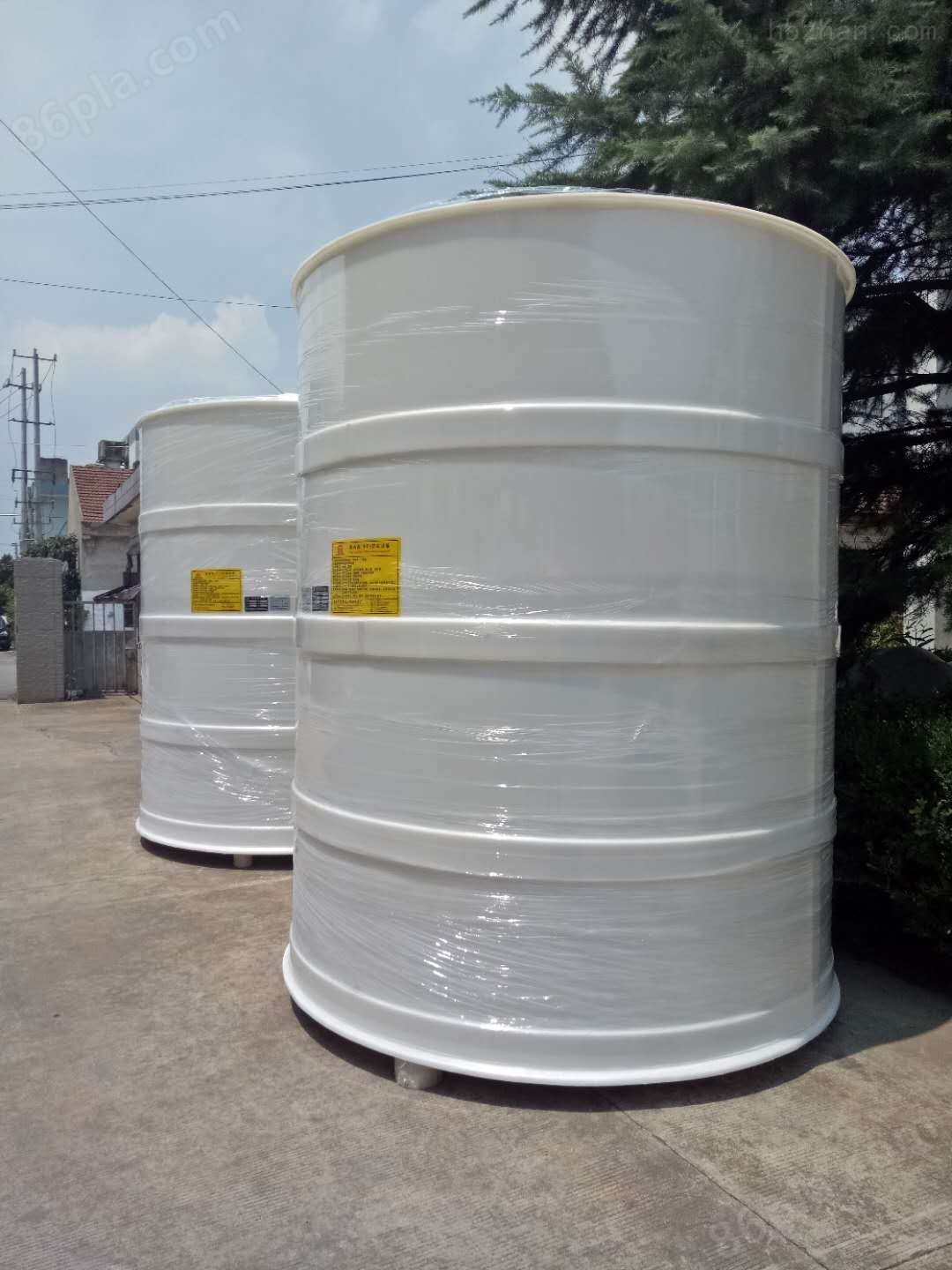
How much is the Xuchang polypropylene reactor

Alternatively, a step-by-step regeneration method can be used to gradually increase the concentration of the regeneration solution and slow down the regeneration flow rate. Once calcium sulfate precipitation is found in the resin, the commonly used method is to first backwash with a large amount of soft water, and then repeatedly clean with~1% HCl (3 bed volumes) at L/h/L. However, it should be noted that the dissolution rate of HCl and calcium sulfate is slow, so multiple washes are required. Another method is to use EDT: sodium salt, but it is expensive and an exothermic reaction, so attention should be paid when using it. Silicon pollution and treatment: Silicon compound pollution occurs in strong alkali anion exchangers, especially in equipment and systems that combine strong and weak anion resins, which often leads to a decrease in the efficiency of silicon removal in anion exchangers.
I. Overview
The GSA and GSHA type magnetic high-pressure reaction kettle with lifting devices is a new generation reaction device developed and produced by Weihai Xintai Chemical Machinery Co., Ltd. with excellent level. In recent years, our factory has adopted excellent technology and made a series of improvements in the design and processing of reaction vessels such as magnetic stirring reaction vessels, production-oriented stirring reaction vessels, and stirring reaction tanks. Many of our research achievements have received praise from scientific research institutions and manufacturers.
How much is the Xuchang polypropylene reactor

The control characteristics of air conditioning are disruptive. During the operation of the air conditioning system throughout the year or the whole day, changes in external conditions (such as temperature, solar radiation, wind, sunshine, rain, snow) and internal conditions (such as the number of devices and lighting in the air-conditioned room that are started, stopped, and put into operation, as well as the increase or decrease of staff) will interfere with the operation of the air conditioning system. The controlled object with different characteristics of the regulating object has different changes in the controlled quantity over time under the same interference effect. The task of the air conditioning self-control system is to overcome these interference factors and maintain a certain temperature, humidity, and air quality in the air-conditioned room. But the control effect of temperature and humidity not only depends on the self-control system, but more importantly, on the rationality of the air conditioning system and the characteristics of the air conditioning object.
2、 Advantages of reaction kettle
The kettle lid can be raised and lowered, making material retrieval convenient. Cleaning inside the kettle is convenient and fast.
Adopting a ring-shaped rare earth permanent magnet coupling driver, it has the characteristics of static sealing and no leakage.
Suitable for mixing with high stirring torque. Adopting self-lubricating wear-resistant shaft sleeve, suitable for mixing various media.
Heating methods: dry electric heating, thermal oil heating, jacket heating.
Temperature control: PID automatic temperature control instrument is used to control temperature and pressure.
Discharge method: upper discharge, lower discharge.
The agitator adopts a push type agitator, which runs smoothly, has low noise, and is easy to operate. Variable frequency drive with stepless speed regulation.
Material of kettle body: 1Cr18Ni9Ti stainless steel, 316L stainless steel, titanium (TA2), nickel, tantalum, zirconium, Hastelloy alloy, PTFE lining, etc.

The surface area of the first level aquatic plant filter bed (hereinafter referred to as the filter bed) is. 75m, with a length, width, and height of 2... 3m, and an operating water depth of. 15m. The surface area of the second level vertical subsurface flow constructed wetland (hereinafter referred to as the subsurface flow wetland) is. 6m, with a length, width, and height of 2... 6m, and the interior of the bed is filled with a substrate with a thickness of. 5m. The bottom is filled with coarse gravel with a thickness of 1cm and a particle size of 25-55mm as the wetland cushion layer, and the top is filled with ceramic particles with a thickness of 3cm and a particle size of 1-2mm as the main adsorption medium and attachment carrier for microbial growth. The upper layer is filled with fine gravel with a thickness of 1cm and a particle size of 1-2mm to prevent the ceramic particles from floating on the water.
3、 Main component characteristics
(1) Magnetic coupling stirrer
The core part of the device is the strong magnetic coupling stirrer, which is a transmission device that uses permanent magnet materials for strong magnetic coupling stirring. Solved the problem of failure and leakage of mechanical seals and packing seals. Two powerful permanent magnets are made of inner and outer magnetic steel, which self locate and act on the axial rotation traction of the motor reducer to drive the outer magnetic steel. The strong magnetic force of the outer magnetic steel passes through the sealing cover made of stainless steel, and the strong magnetic force self locates and couples with the inner magnetic steel. The inner magnetic steel strip moves the shaft and the stirring slurry to complete the static sealing and stirring process. The sealing cover, kettle cover, kettle body, and fastening connection form a static sealing chamber, so that the reaction medium * is in a static sealing state without any leakage, pollution, or personal danger. Our common pursuit is to maximize product conversion rates and reduce energy consumption.
(2) High quality high-temperature and high-pressure corrosion-resistant bearings
The shaft sleeve/bearing design of * has the characteristics of static sealing, no leakage, no noise, no pollution, smooth operation, simple operation, durability, and compact structure. It is resistant to high temperature and high pressure, corrosion and wear, and avoids secondary pollution to ensure material purity and extend the service life of the bearing.
(3) Non standard customized mixing slurry
Non standard mixing forms (push type, folding slurry type, anchor plate type, flat turbine type, pitch turbine type, scraper type, curved blade turbine type, double helix belt type, combination type, etc.), pressure display, feeding tank, conduit, discharge, continuous reaction can be configured. The heating method can be changed to oil bath, water bath, steam, molten salt. For those with high requirements for temperature control or connected to a computer for data collection, a high-precision digital temperature controller can be configured with a control accuracy of ± 0.2 ℃.
(4) Main material selection
Main material selection: 0Cr18Ni9 (304), 1Cr18Ni9Ti (321), 00Cr17Ni14Mo2 (316L/molybdenum titanium), titanium, Hastelloy alloy, Inconel alloy, nickel, zirconium, tantalum, carbon steel, etc. To save resources and reduce equipment investment, the composite plate made of this material and carbon steel has become the dominant system for manufacturing large and medium-sized, high-temperature and high-pressure, corrosion-resistant equipment.

The original main process of Garmerwolde sewage treatment plant adopts Method B. To cope with the increasing amount of sewage and stricter discharge standards, the factory has undergone upgrading and renovation. In the past 5 years, the main solution to the problem of sludge digestion solution treatment has been to increase the lateral flow SH: RON (24kgN/d), with an ammonia nitrogen removal rate of over 95%, achieving a 25% energy saving in the nitrification stage and a 4% external carbon source saving in the denitrification stage, reducing sludge production by 5%. In 2013, an independently operated SBR aerobic granular sludge system (Nereda) was added, increasing production capacity by 28600 m3/d. After aerobic sludge granulation, 6% of the particles were larger than 1mm, the biomass could stably reach 8g/L or more, the SVI5 value remained stable at around 45ml/g, and the effluent TN7mg/L and TP1mg/L decreased energy consumption by 58-63%, land occupation by 33%, and operating costs by 5% compared to traditional activated sludge systems. This overview and the necessity of upgrading and renovation 1.1 Basic overview Garmerwolde sewage treatment plant is located in the northeast of Groningen, northern Netherlands, with a scale of approximately 74000 m3/d (270000 m3/y, equivalent to 235000 population), and the main source of sewage is municipal sewage. The original main body of the project adopted Method B (see), with an effective volume of 284m3 for the activated sludge tank and 248m3 for the sedimentation tank. The original process design discharge standards were TN12mg/L and TP1mg/L, and the effluent was discharged into nearby rivers. The biogas produced by sludge digestion provides 0.8 megawatts of electricity annually. The necessity and existing problems of upgrading and transformation. With the development of local social economy, the treatment scale of existing sewage plants can no longer meet the demand, resulting in excessive load on existing sewage treatment facilities, inability to improve treatment efficiency, and inability to meet the requirements of effluent, especially effluent TN exceeding the standard. According to statistics, the effluent from sludge dewatering, concentration and other disposal processes in the plant provides approximately 34% of the total nitrogen load, which poses a significant challenge to the denitrification capacity of the treatment process and makes it even more difficult to achieve the total nitrogen control target. Therefore, in order to cope with the constantly increasing amount of sewage discharge, it is necessary to build new sewage treatment facilities; Resolve the impact problem caused by the reflux of high concentration nitrogen-containing wastewater from sludge digestion.
Production process: 1. Tank body collision welding and tape winding production
2. External welding production
3. Wrapping production with tape
4. Common materials for pipe installation and fabrication: polypropylene PPH、 Fiberglass, etc.
SMBBR process flow: Comprehensive wastewater regulation tank, first stage hydrolysis acidification tank, single SMBBR tank, second stage hydrolysis acidification tank, contact oxidation tank, and second sedimentation tank drainage. See SMBBR process equipment. -Compared with the C: SS process, the microbial biomass in the unit volume reactor of the SMBBR process is 5-2 times that of the C: SS process, with strong treatment capacity and strong adaptability to changes in water quality, quantity, and temperature; The moisture content of biofilm is lower than that of C: SS tank, and there will be no sludge expansion phenomenon, which can ensure a lower suspended solids content in the effluent and facilitate operation and management; The remaining sludge production is 1/4 of the C: SS tank, and the sludge disposal cost is low; The food chain is relatively long, and both nitrification and denitrification reactions occur within the biofilm, requiring less space and occupying less land; High COD load rate, high air oxygen utilization rate, strong shock load resistance, no need to set reflux, and low energy consumption.
Similar Product Recommend