-
E-mail
2818500651@qq.com
-
Phone
13913766839
-
Address
No. 8 Xiangtang Road, Guizhuang, Shaxi Town, Taicang City, Suzhou City, Jiangsu Province
Product Categories
Taicang Haoda Chemical Anti corrosion Equipment Factory
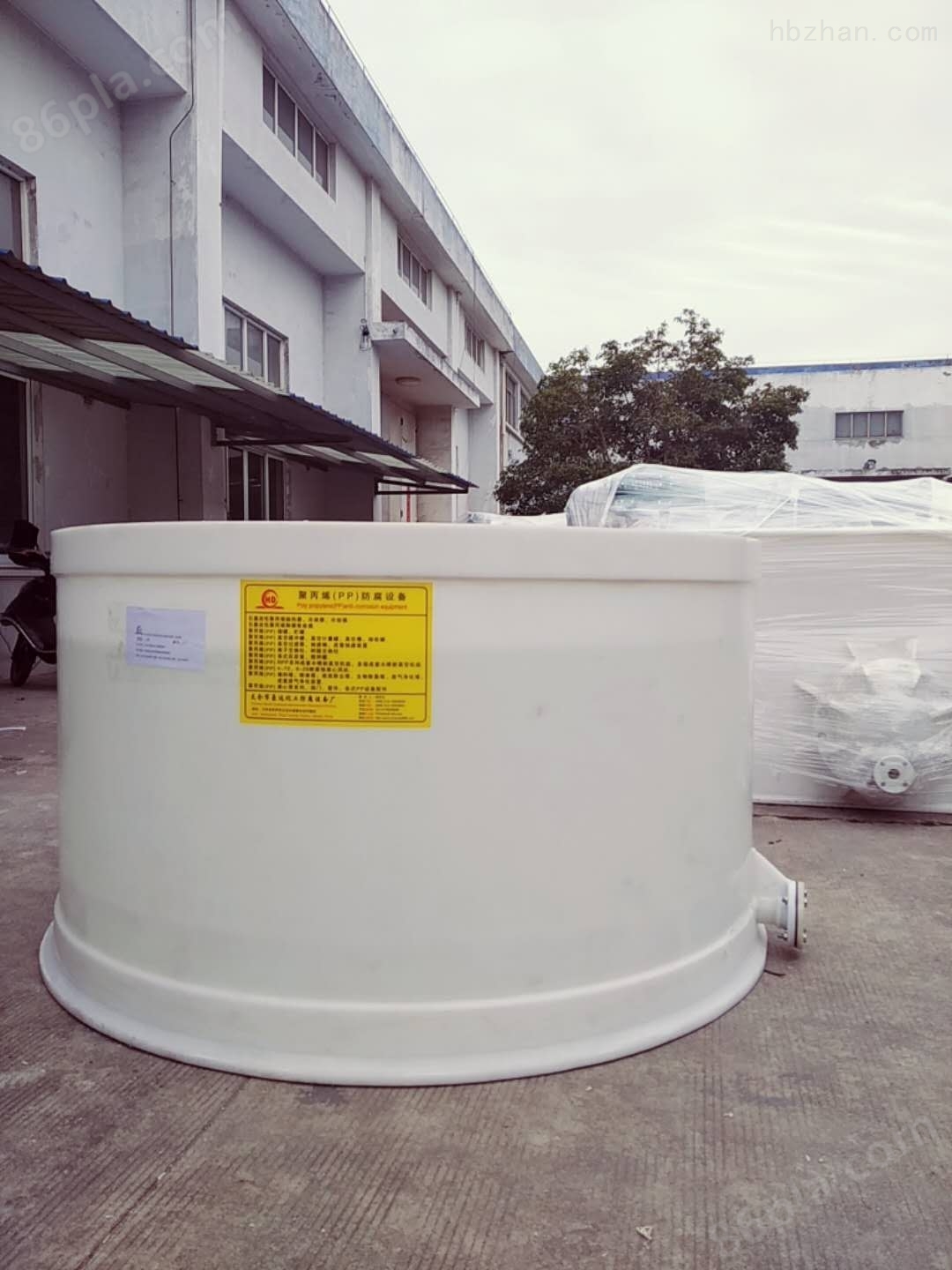
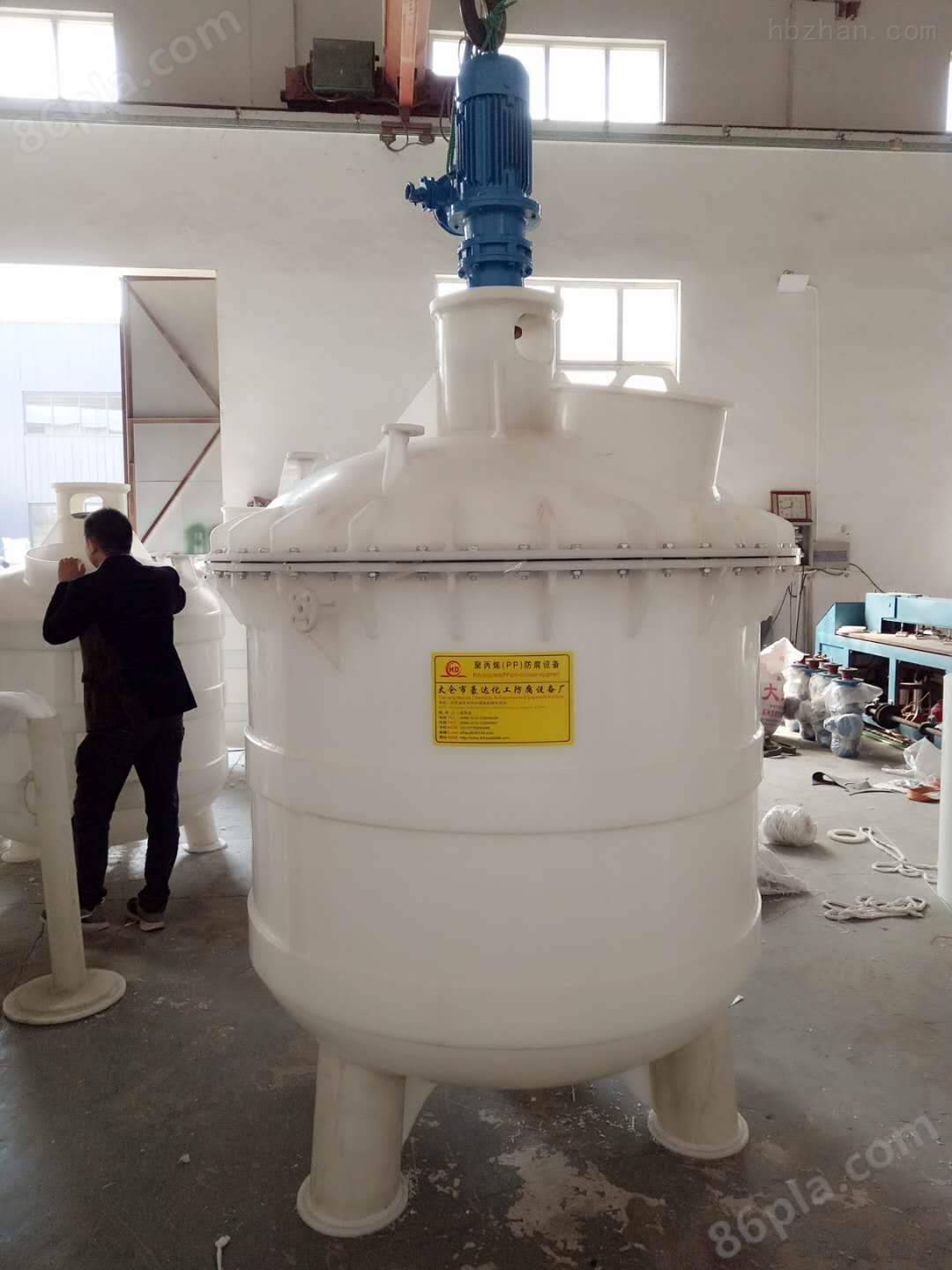
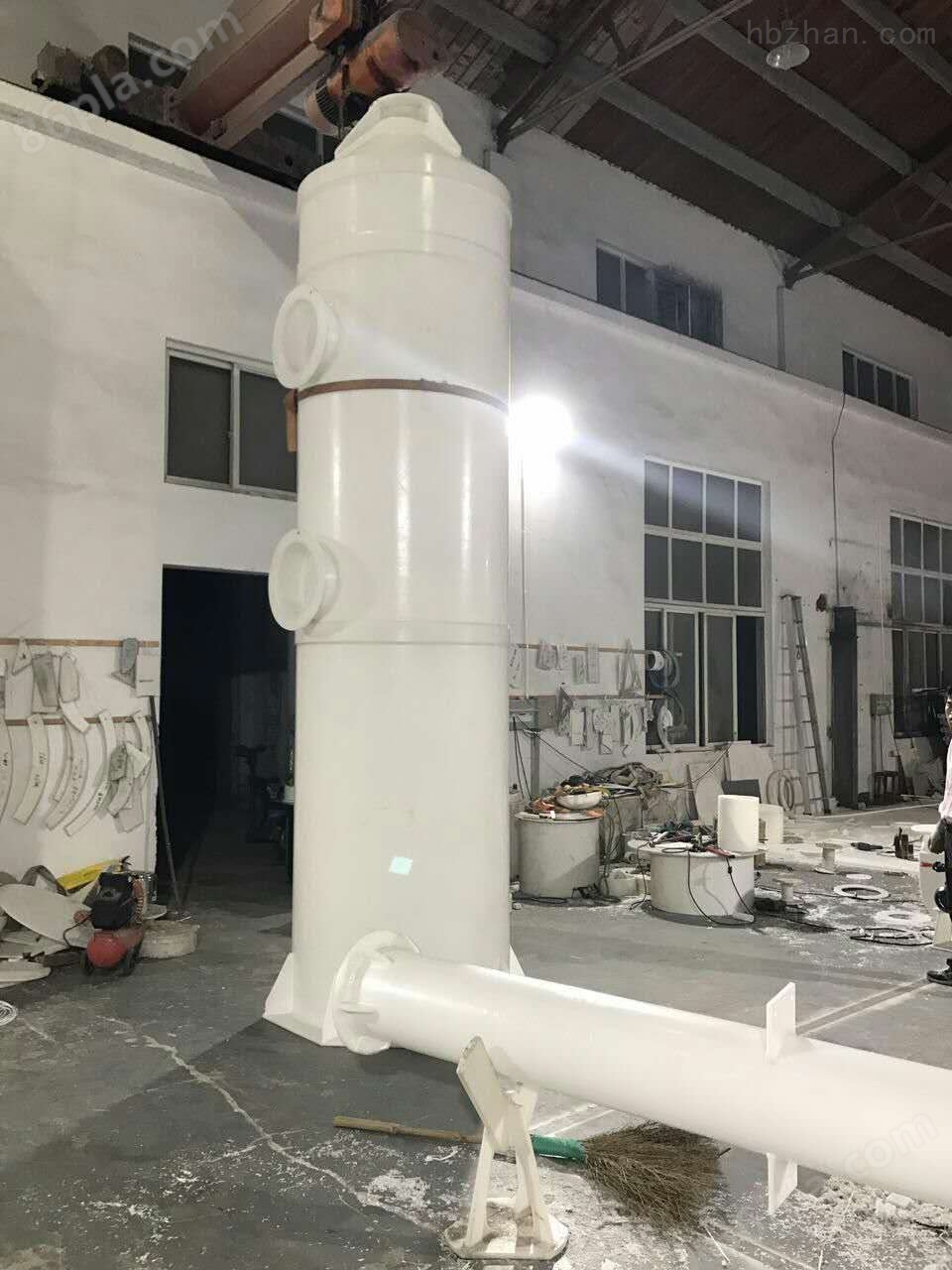
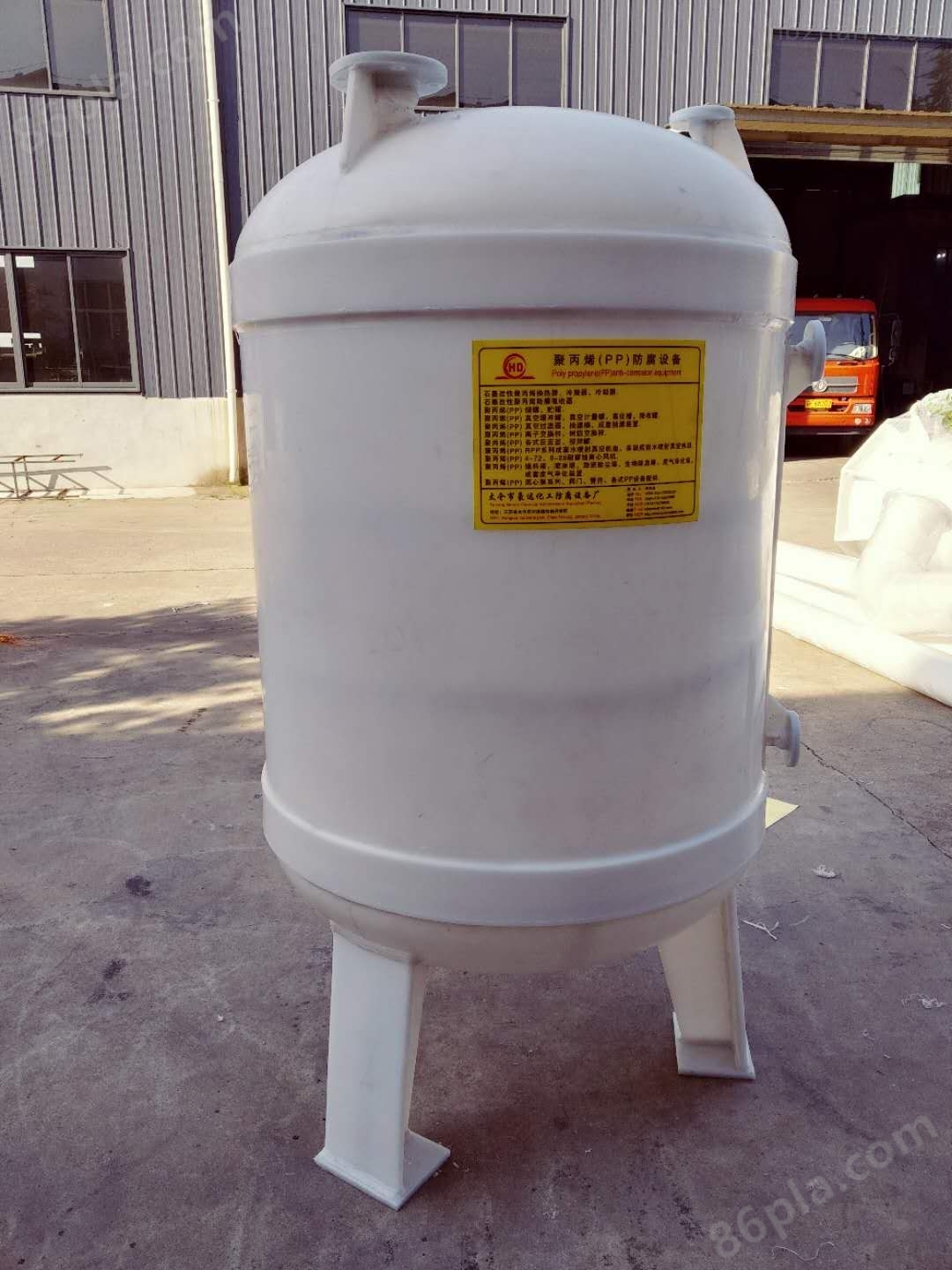
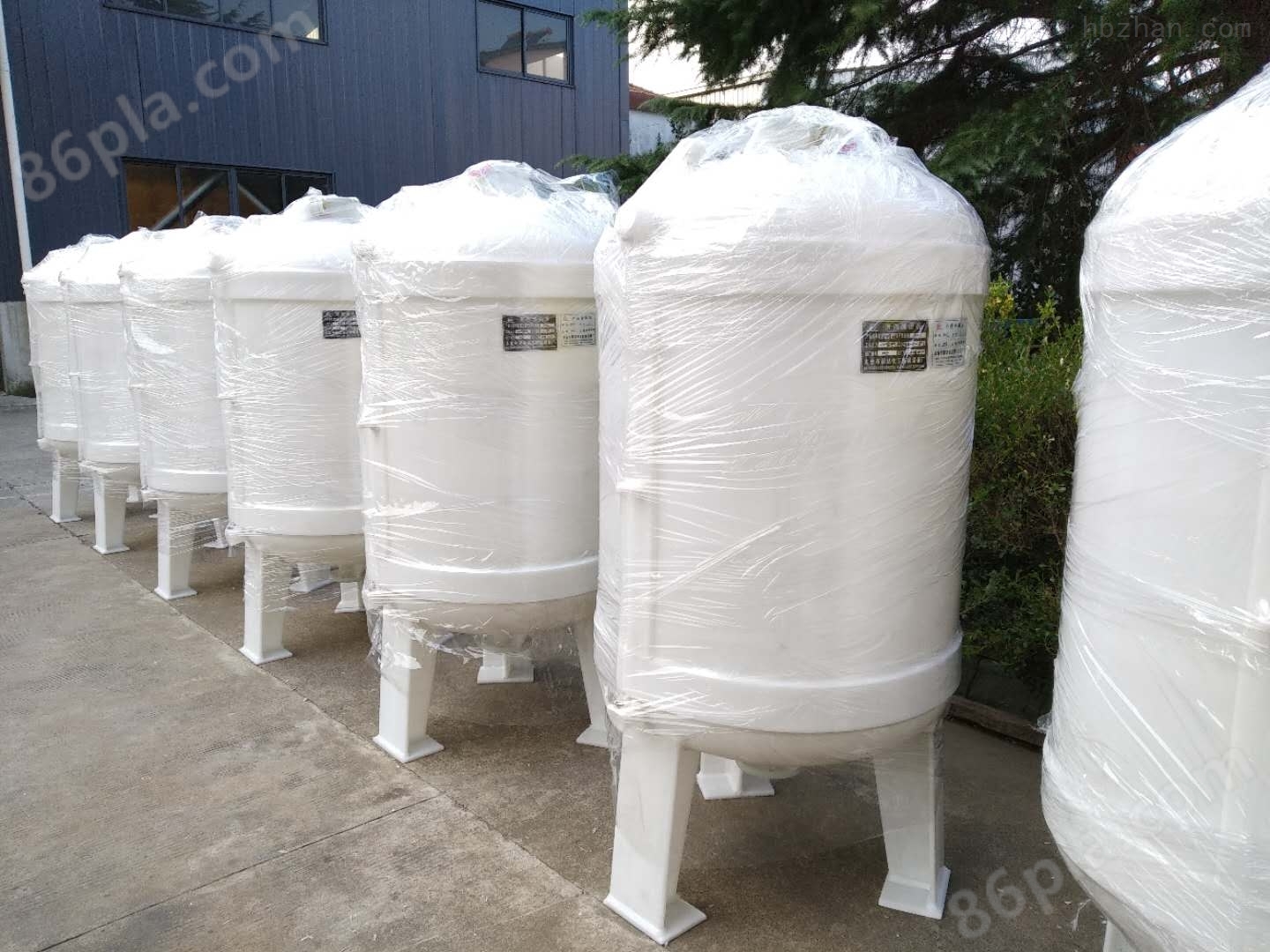
Price of anti-corrosion horizontal PP storage tank
NegotiableUpdate on 01/17
- Model
- Nature of the Manufacturer
- Producers
- Product Category
- Place of Origin
Overview
The above super hydrophilic/underwater super hydrophobic oil film materials have shown great application prospects in the treatment of emulsified oil wastewater. However, the use of such materials requires membrane fixation devices, which cannot be directly operated on the wastewater site. Often, the wastewater needs to be recovered before further treatment can be carried out. The magnetic separation method is currently a relatively novel method for treating oily wastewater, which has the advantages of low energy consumption, high separation efficiency, small footprint, flexible and simple process, easy recycling, and low environmental pollution. Therefore, it has broad application prospects. The preparation of Fe3O4 nanoparticles is simple and the surface can be modified
Product Details
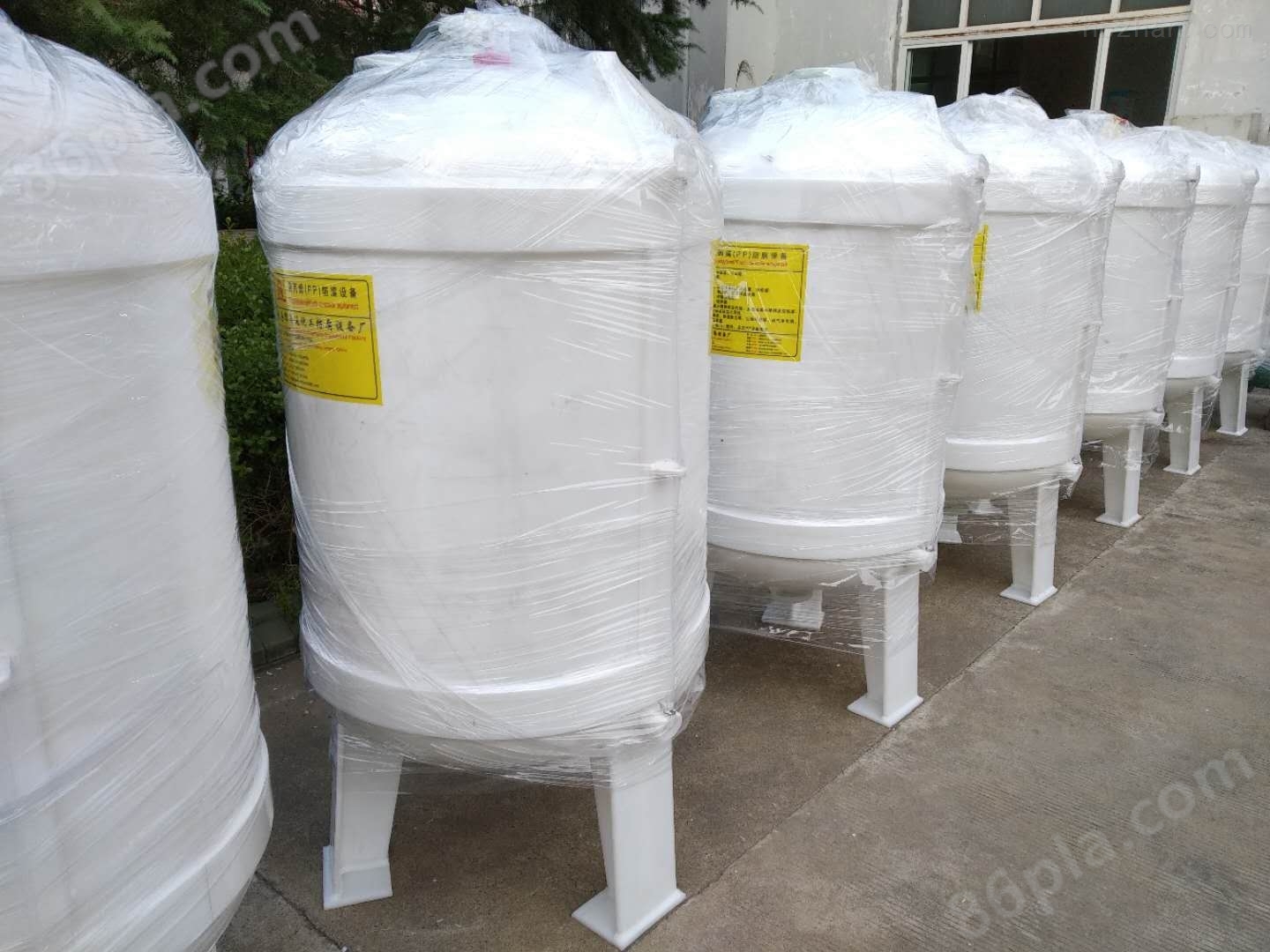
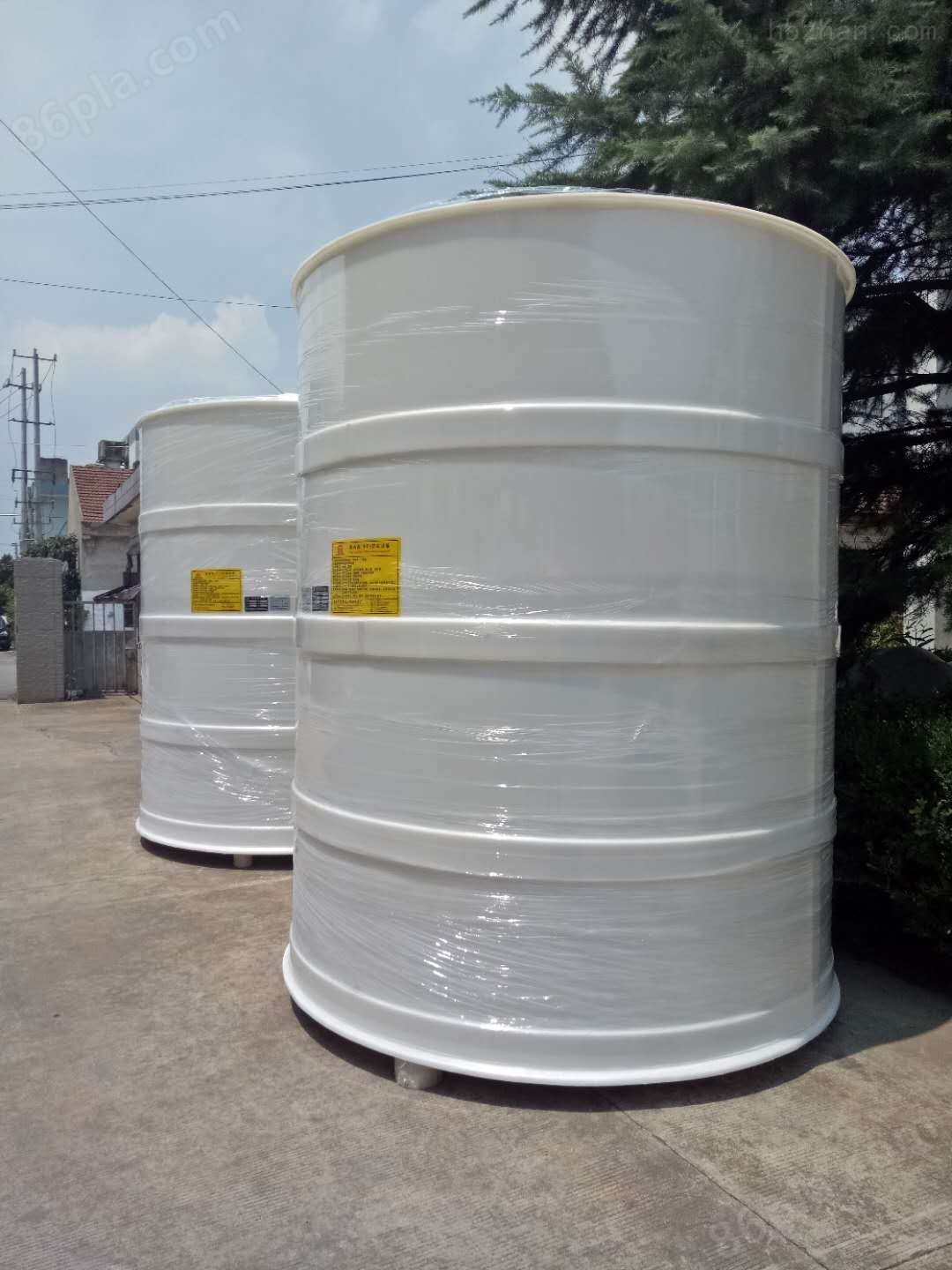
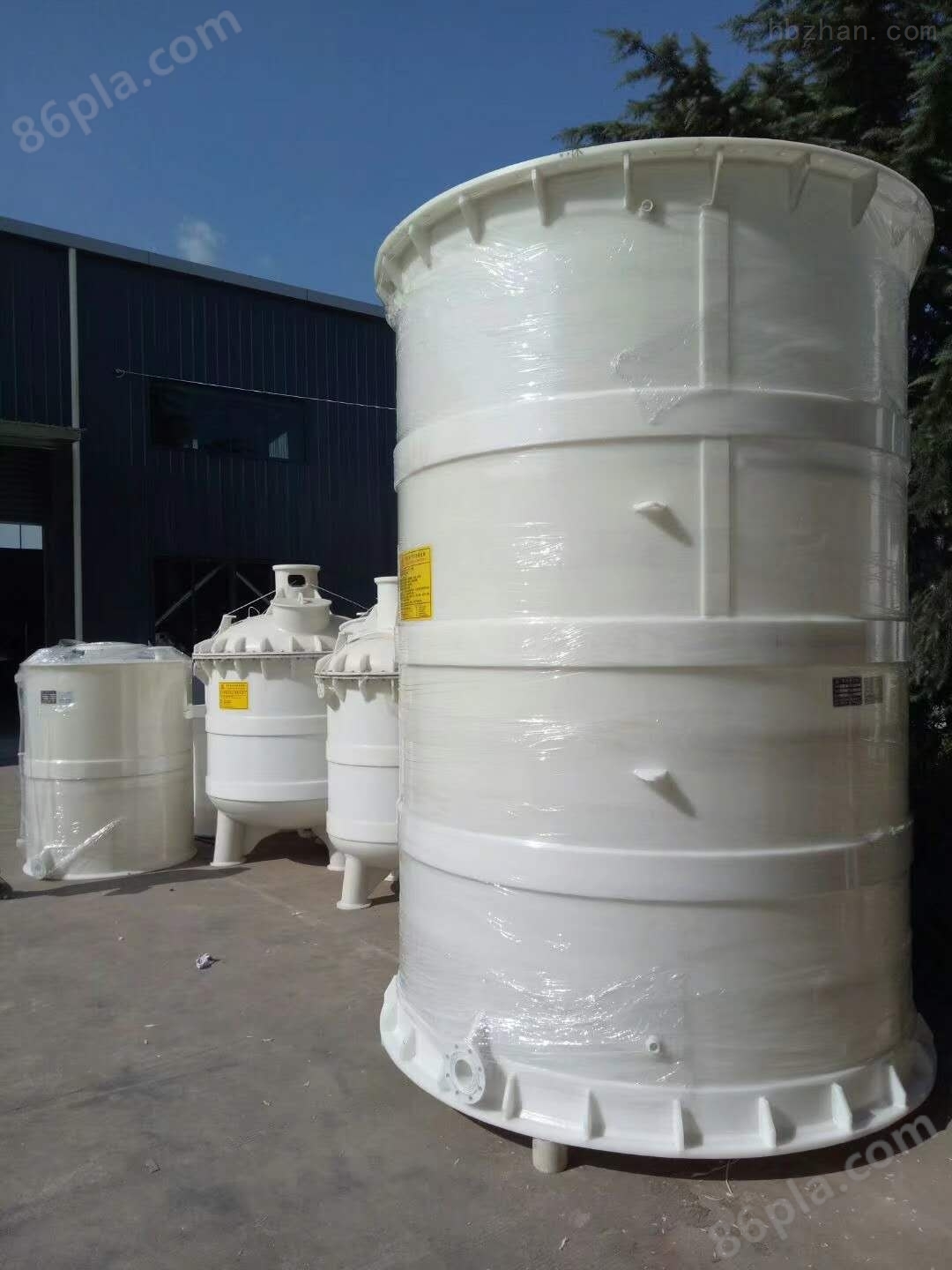
Langfang PP horizontal storage tank quotation

The above-mentioned superhydrophilic/underwater superoleophobic membrane materials have shown great application prospects in the treatment of emulsified oil wastewater. However, the use of such materials requires membrane fixation devices, which cannot be directly operated on the wastewater site. Often, the wastewater needs to be recovered before further treatment can be carried out. The magnetic separation method is currently a relatively novel method for treating oily wastewater, which has the advantages of low energy consumption, high separation efficiency, small footprint, flexible and simple process, easy recycling, and low environmental pollution. Therefore, it has broad application prospects. Fe3O4 nanoparticles are easy to prepare and have strong surface modifiability. By adjusting the surface wettability of magnetic nanoparticles, they can quickly aggregate on the surface or inside of emulsified oil droplets, and ultimately separate emulsified oil droplets under the action of external magnetic fields, thereby achieving water purification.
A condenser is a component of a refrigeration system, belonging to a type of heat exchanger. It can convert gas or vapor into liquid and quickly transfer the heat in the pipes to the air near the pipes. The working process of the condenser is an exothermic process, so the temperature of the condenser is relatively high.
Power plants use many condensers to condense the steam discharged from turbines. Condensers are used in refrigeration plants to condense refrigeration vapors such as ammonia and fluorocarbons. Condensers are used in the petrochemical industry to condense hydrocarbons and other chemical vapors. The device that converts vapor into liquid during the distillation process is also known as a condenser. All condensers operate by taking away the heat from gases or vapors.
Langfang PP horizontal storage tank quotation

Secondary treatment mainly involves removing biodegradable organic solutes and some colloids, reducing the biochemical oxygen demand and some chemical oxygen demand in wastewater, and usually using biological methods for treatment. After biological treatment, there is still a considerable amount of COD remaining in the wastewater, sometimes with high color, odor, and taste, or due to high environmental hygiene standards, a three-level treatment method needs to be used for further purification. The third level treatment mainly removes organic pollutants and dissolved inorganic pollutants that are difficult to biodegrade from wastewater. Common methods include activated carbon adsorption and ozone oxidation, as well as ion exchange and membrane separation techniques. Various chemical industry wastewater can be treated using different methods based on the requirements of water quality, quantity, and the quality of the discharged water after treatment. What are the characteristics and treatment principles of alkaline wastewater? Acidic wastewater mainly comes from steel plants, chemical plants, dye plants, electroplating plants, and mines, which contain various harmful substances or heavy metal salts. The quality fraction of acid varies greatly, with low values less than 1% and high values greater than 1%. Alkaline wastewater mainly comes from printing and dyeing factories, leather factories, paper mills, oil refineries, etc. Some of them contain organic bases or inorganic bases. The mass fraction of alkali is sometimes higher than 5% and sometimes lower than 1%. Acid alkali wastewater often contains acid salts, basic salts, and other inorganic and organic substances in addition to acid and alkali. Acid alkali wastewater has strong corrosiveness and needs to be properly treated before being discharged.
The components of a refrigeration system belong to a type of heat exchanger, which can convert gas or vapor into liquid and quickly transfer the heat in the pipes to the air near the pipes. The working process of the condenser is an exothermic process, so the temperature of the condenser is relatively high.
Power plants use many condensers to condense the steam discharged from turbines. Condensers are used in refrigeration plants to condense refrigeration vapors such as ammonia and fluorocarbons. Condensers are used in the petrochemical industry to condense hydrocarbons and other chemical vapors. The device that converts vapor into liquid during the distillation process is also known as a condenser. All condensers operate by removing heat from gases or vapors

HEP: The third mechanism of the filter is the influence of airflow. Due to the uneven weaving of HEP: filter mesh, a large number of air vortices are formed, and ultra small particles are adsorbed on the HEP: filter mesh under the influence of this cyclone, achieving the purpose of filtration. The fourth filtering mechanism is that ultrafine particles collide with HEP under Brownian motion: the filter fibers are affected by van der Waals forces and filtered. When it comes to HEP: When it comes to filters, we need to introduce MPPS, which is the problem of particles with penetrating power. PM. 3 is known as a penetrating particle, and compared to smaller volume particles such as PM. 1, PM. 3 is more likely to penetrate HEP filters (less affected by cyclones and van der Waals forces).
Good corrosion resistance: Polypropylene has excellent chemical resistance. For inorganic compounds, regardless of acid, alkali or salt solutions, except for oxidation, it has no destructive effect until almost 100 ℃. It does not dissolve in almost all solvents at room temperature. Generally, alkanes, alcohol powders, aldehydes and other media can be used with this equipment.
Small size and light weight: Due to the specific gravity of polypropylene being only 0.91-0.93, it is a lightweight material among resins, making this equipment very easy to install and maintain.
High temperature resistance, the melting point of this product is 164-174 ℃, so the general use temperature can reach 110-125 ℃, and it will not deform even at 150 ℃ without external force.
Non toxic, non scaling, non polluting medium, and can also be used in the food industry.
Due to the above characteristics, this equipment is suitable for use as a heat exchange device in various industries such as chemical, light industry, metallurgy, pharmaceuticals, food, and chemical fibers. It is particularly suitable for use as a condenser, replacing the original stainless steel, enamel, graphite, and glass condensers. After using it for eight years, it fully embodies the above advantages.
Due to the current production specifications of polypropylene pipes in China, with a diameter of 630mm, the production of heat exchangers with an area of over 60 square meters requires coil manufacturing. Currently, our factory can produce heat exchangers with a heat exchange area of over 200m2.

The use of CO2 is a supplement to CO2 storage, not a substitute for large-scale emissions reduction. The use of carbon dioxide is not expected to achieve the same reduction scale as carbon capture and storage (CCS), but it can be a part of "all" and play a role in achieving climate goals. In the Energy Agency's (IE:) scenario analysis, the limited deployment of CO2 storage resulted in an increase in CO2 usage within the energy system (including the production of methanol and synthetic hydrocarbon fuels), but CO2 storage provided a reduction of less than 13% in CO2 emissions. The negative emission potential generated by CO2 use is also very limited. While planning for the long term, cultivating early opportunities for the future use of CO2 will mainly depend on policy support.
When placing an order, please refer to the performance information in the product manual and select the appropriate medium and usage conditions.
The specification area of each heat exchanger is determined by the subscriber. Please refer to the heat exchanger specification table for the heat exchanger and shell diameter.
If multiple layers of baffles are required for the shell process, the quantity can be provided for on-demand manufacturing.
When placing an order, it is necessary to specify the form of placement, such as changing the pipe connection and the position of the connecting pipe.
Plastic equipment is brittle and should be handled with care. During installation, bolts should be slowly tightened to avoid damaging the equipment.
The heat exchanger support can be self-made or machined according to the user's drawings.
When driving, add cooling water first and avoid contact with open flames.

PH value, CO turbidity (mainly contributed by MgSO3 and PM), total oil, P: Hs, NOx - are all pollutants required to be controlled in the emission indicators. There is little detailed introduction to the desulfurization wastewater treatment process in the investigation of existing ship exhaust gas desulfurization devices. Wastewater is only discharged or reused after simple aeration oxidation or cyclone separation treatment. A liquid flow sensor is a type of flow sensor whose working principle is that when the measured liquid flows through the sensor, the impeller is forced to rotate under the action of the fluid, and its speed is proportional to the average flow velocity of the pipeline. The rotation of the impeller periodically changes the magnetic resistance value of the magnetic circuit, and the magnetic flux in the detection coil undergoes periodic changes, generating an induced electromotive force with the same frequency as the blade rotation frequency. After amplification, it is converted and processed.
Similar Product Recommend