-
Phone
15278000307
-
Address
Nanning High tech Zone Yiling Industrial Park Chengnan Industrial Park
Product Categories
Guangxi Guosu Pipe Industry Group Co., Ltd
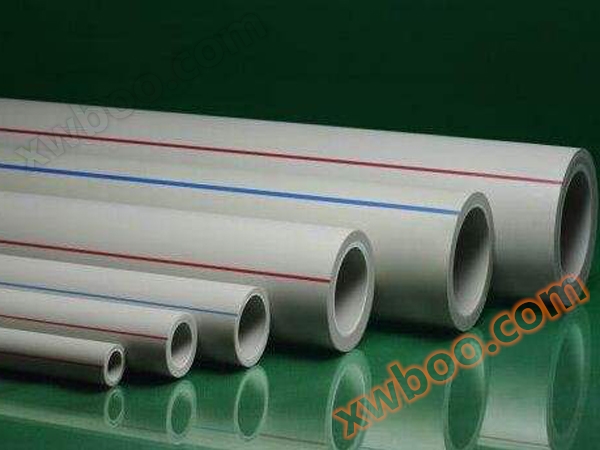
PPR hot and cold water supply pipe
NegotiableUpdate on 04/11
- Model
- Nature of the Manufacturer
- Producers
- Product Category
- Place of Origin
Overview
Tips for Choosing PPR Water Supply Pipes: When purchasing a new house, many people are busy decorating their love nest
Product Details
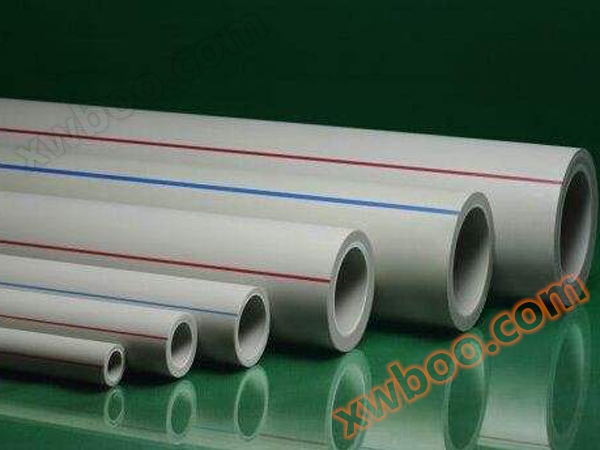
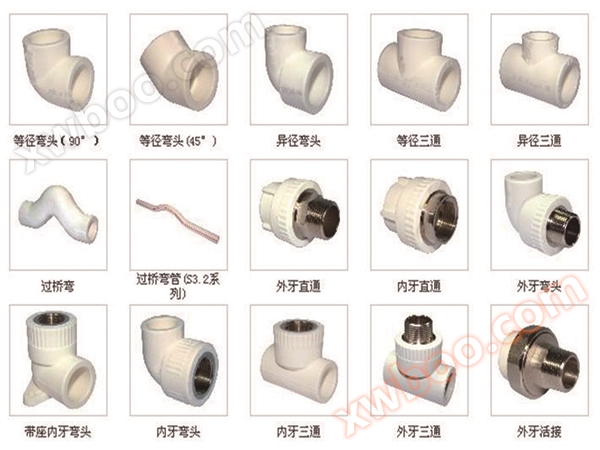
Tips for selecting PPR water supply pipes
Just bought a new house, many people are busy decorating their love nest. How to choose the right pipe material within the appropriate price range is very important for them. The following tips will teach you how to distinguish the quality of PPR pipes.
1. "Touch": Whether the texture is delicate and the particles are uniform. There are mainly several colors of PPR pipes on the market now, including white, gray, and green. Generally, recycled plastics cannot be made white, so many people often believe that white is the best. However, this view is quite one-sided. With the advancement of technology, color is no longer the standard for distinguishing the quality of PPR pipes. Judging the quality of the pipe cannot solve the problem. If you touch it, the rough particles may have been mixed with other impurities.
2. "Smell": presence or absence of odor. The main material of PPR pipes is polypropylene. Good pipes have no odor, while poor ones have a strange odor, which is likely due to the addition of polyethylene (PE) instead of polypropylene.
3. "Pinch": PPR pipes have considerable hardness and can be easily molded into deformed pipes, which are definitely not PPR pipes.
4. "Smash": A good PPR pipe has good "resilience", but it is too easy to smash due to too much calcium carbonate filler, which is naturally not a good PPR pipe. A PPR pipe that cannot be broken is not necessarily a good pipe, the key is to look at the raw materials and processing technology.
5. "Burning": Ignite and burn, it is very intuitive and effective. PPR pipes mixed with recycled plastics and other impurities in the raw materials will emit black smoke and have a pungent odor; After burning, good materials not only do not emit black smoke or have no odor, but also the melted liquid remains very clean.
According to national testing standards, some simple testing items can be identified through sensory perception.