-
E-mail
cssanlian@163.com
-
Phone
15810285431
-
Address
No.1 Tianfu Road, Tianhua Street, Biological and Pharmaceutical Industry Park, Daxing District, Beijing
Product Categories
Beijing Borui Si Optoelectronic Technology Co., Ltd
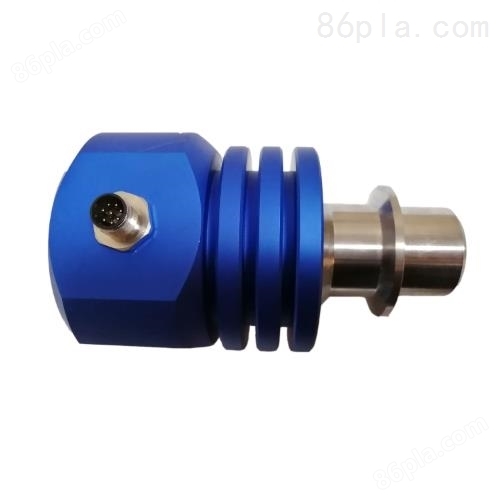
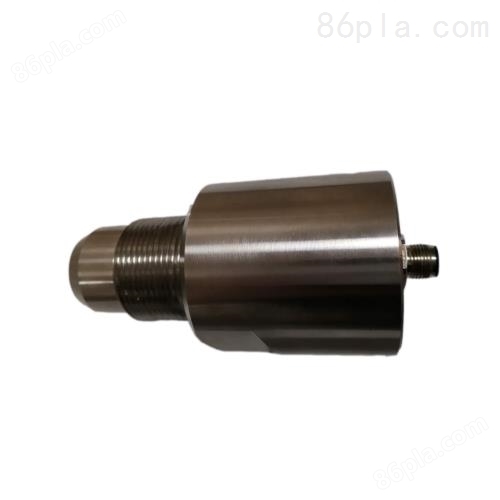


Online glycerol concentration - fully automatic propylene glycol tester
NegotiableUpdate on 01/12
- Model
- Nature of the Manufacturer
- Producers
- Product Category
- Place of Origin
Overview
The Borui Si BRS-HD-300 online glycerol concentration fully automatic propylene glycol tester is a sensor that uses advanced optical components, an integrated design, direct conversion and processing of photoelectric signals, and high-precision automatic temperature compensation function,
Product Details
Glycerol, also known as glycerol, has the chemical formulaC3H8O3Colorless, odorless, sweet tasting, with a clear and viscous liquid appearance, it is an organic substance that can absorb moisture from the air and absorbhydrogen sulfideDifficult to dissolve inbenzene、chloroform、carbon disulfide、petroleum etherAnd oil, yestriglycerideThe skeletal components of molecules.
Borui SiBRS-HD-300Online glycerol concentration-The fully automatic propylene glycol tester is an online, high-precision concentration measuring instrument developed based on the principle of critical angle refractive index detection. The sensor adopts advanced optical components, integrated design, direct conversion and processing of photoelectric signals, and has high-precision automatic temperature compensation function. The online detection of concentration is not affected by the color, turbidity, and viscosity of the material; Not affected by bubbles, solid impurities, and crystals in the material; Not affected by changes in liquid pressure, sudden changes in flow rate, or turbulence phenomena; Suitable for pipeline installation or installation on tank walls, as well as various other installation methods. The detection data can be obtained through4-20mAAnalog signal orRS485Communication signal connectionPLCandDCSWe can customize systematic solutions according to customer needs and control the actions of executing components through control units. The automatic cleaning system of the instrument automatically cleans the prism and has a self diagnostic function to promptly troubleshoot and ensure the accuracy of the instrument. It changes the extensive production management method that has relied on manual measurement, manual recording, and manual control for a long time, eliminates concentration imbalance caused by human control, and ensures that the process strictly follows the process plan. Ensure stable product quality, improve work efficiency, enhance enterprise management level and production process control capability.
BRS-HD-300Online glycerol concentration-Main technical parameters of the fully automatic propylene glycol tester:
1Factory calibration and automatic temperature compensation, directly put into use without on-site calibration
2Measurement range:0.0-30.0%; refractive index1.33300-1.46500
3Resolution: Concentration0.1%; refractive index0.00001nD; Temperature0.1℃
4Measurement accuracy: concentration ±0.1%Refractive index ±0.00002nDTemperature ±0.5℃
5Temperature compensation:0-100℃ ambient temperature:5-100℃
6Protection level: Measurement sectionIP67Voltage resistance: ≤1.0MPa
7Measurement time: default5 Second measurement1Secondary (adjustable)
8Installation methods: thread, flange, chuck, etc. Support customization.
9Output: Analog Output:24V 4-20mACorresponding concentration0.0-30.0%
10Digital output:RS485(Other output methods can be customized)
11Input:DC +24V±10%current<100mA
12Optional: Automatic cleaning device, using compressed air or high-pressure water and ultrasonic waves to automatically clean the prism surface, suitable for dirty liquids, preventing dirt from adhering and ensuring measurement accuracy
Due to the different propagation speeds of light in different media, when light is projected from one medium to another,The direction of light propagation has changed, and this phenomenon is called refraction of light. Human beings have conducted long-term research on the refraction of light and summarized the fundamental law that light follows when it undergoes refraction - the law of refraction of light. Since the concentration of each medium is related to the refractive index of light. In practical applications, we can determine the concentration of the medium by measuring the critical angle at which light refracts.
Similar Product Recommend