-
E-mail
13962469131@163.com
-
Phone
13962469131
- Address
Product Categories
Suzhou Haoda Machinery Co., Ltd
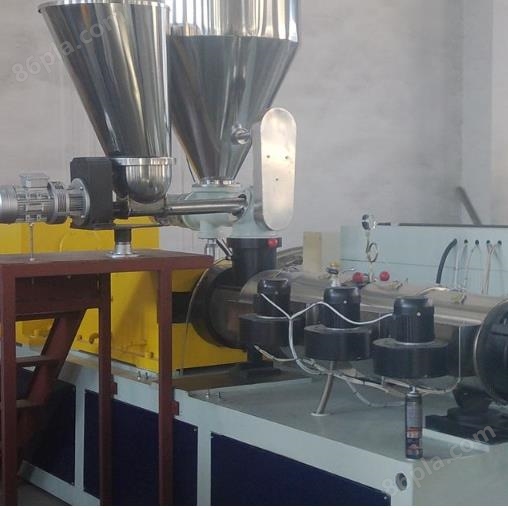

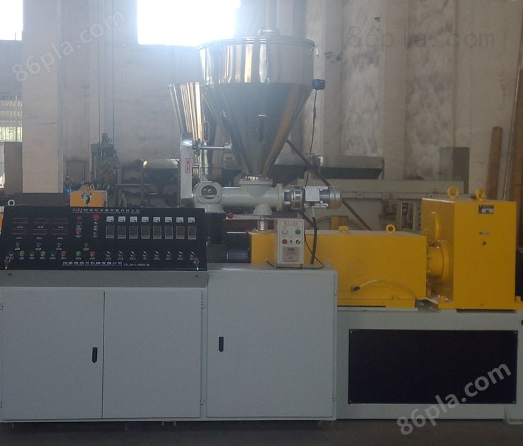
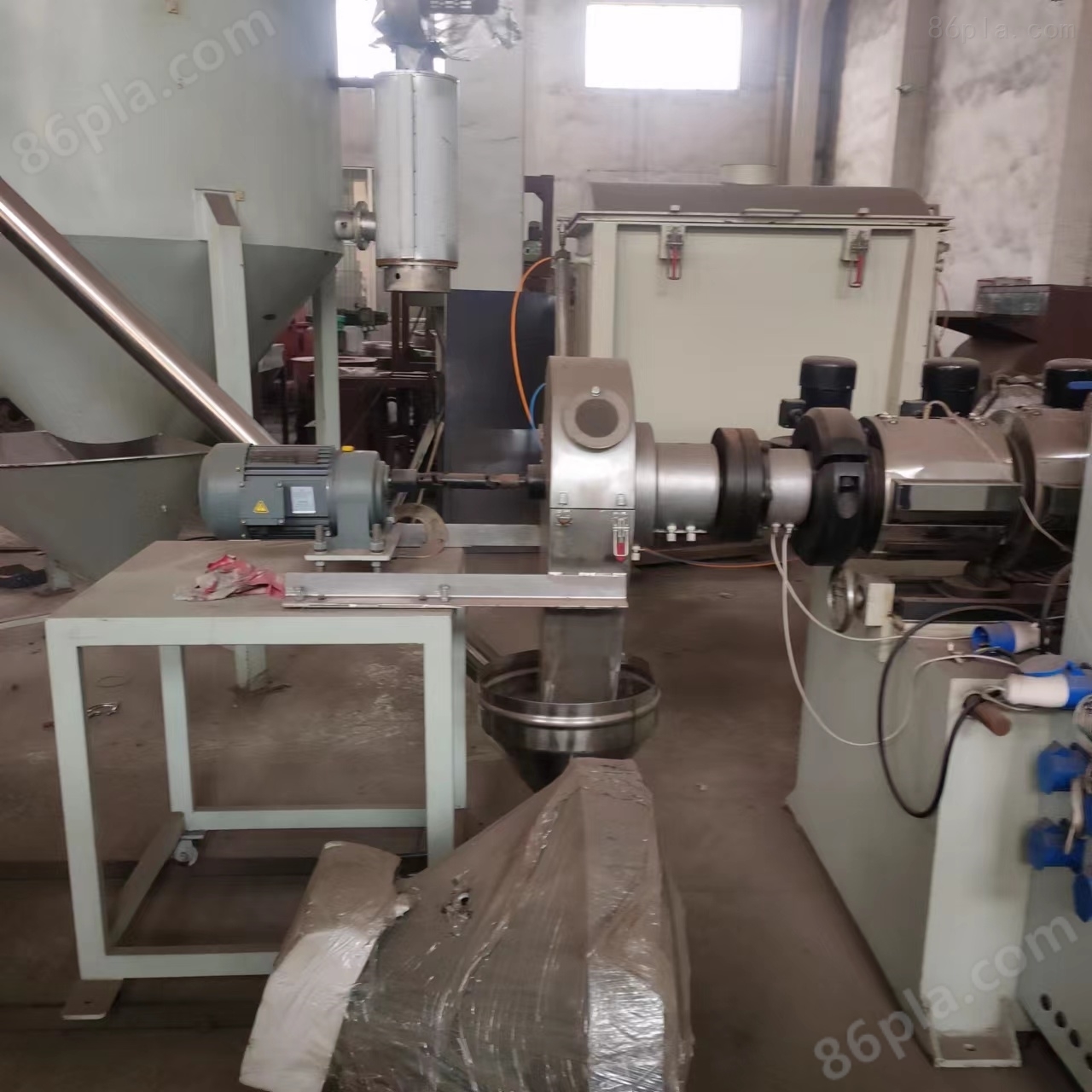
Multi functional industrial fully automatic plastic granulator
NegotiableUpdate on 01/12
- Model
- Nature of the Manufacturer
- Producers
- Product Category
- Place of Origin
Overview
The multifunctional industrial fully automatic plastic granulator is suitable for the granulation processing equipment of hard PVC, soft PVC, and PVC waste material recycling. The cutting process is easy to operate, with good drying effect and high degree of automation
Product Details
Multi functional industrial fully automatic plastic granulatorPrinciple:
1. After the waste is put into the machine cylinder, it is quickly cut into pieces by the shearing action between the high-speed rotating moving blade and the fixed blade.
2. The shredded material rotates along the inner wall of the cylinder under the action of centrifugal force. At the same time, under the action of the blade slurry, it flips up and down, moving from the periphery of the cylinder towards the center.
3. During high-speed rotation, a large amount of frictional heat is generated between materials and between materials and the cylinder or blade, causing the materials to quickly heat up to a semi plasticized state and adhere to each other into small pieces. When the material is about to clump, spray a pre prepared amount of cold water into the cylinder. Cold water quickly vaporizes when encountering hot materials, taking away the surface heat of the materials.
4. The material that has not yet agglomerated is crushed into irregular particles by the cutting action of the moving knife and the fixed knife, and the material is discharged through the discharge port to complete granulation.
During the granulation process, pigments can also be added for coloring as needed. The produced pellets can be directly used for extruders and injection molding machines.
Multi functional industrial fully automatic plastic granulator inspection:
1. Regularly inspect and disassemble the detachable parts inside the plastic granulator, such as the screen mesh and blades. If there is wear or damage, they should be replaced in a timely manner.
2. Check the wiring of electrical components such as motors and heaters to ensure their normal operation, and inspect for any looseness or detachment.
3. Timely check the meshing of gears in the transmission device, reducer, etc. of the machine to ensure the stability of machine operation.
Precautions
When performing maintenance, the power should be cut off first to ensure safety.
2. Attention should be paid to details during maintenance to ensure that each component is adequately maintained.
When using lubricants, the appropriate type and amount of lubricant should be selected.
During the maintenance process, if any abnormal situations or problems are found, they should be promptly addressed or reported.
After maintenance is completed, a trial run should be carried out to ensure that the equipment is operating normally before being put into production.
Similar Product Recommend