-
E-mail
2752921834@qq.com
-
Phone
13401999128
-
Address
Xiongzhou Industrial Park, Liuhe District, Nanjing City
Product Categories
Nanjing Linuo Water Treatment Equipment Co., Ltd
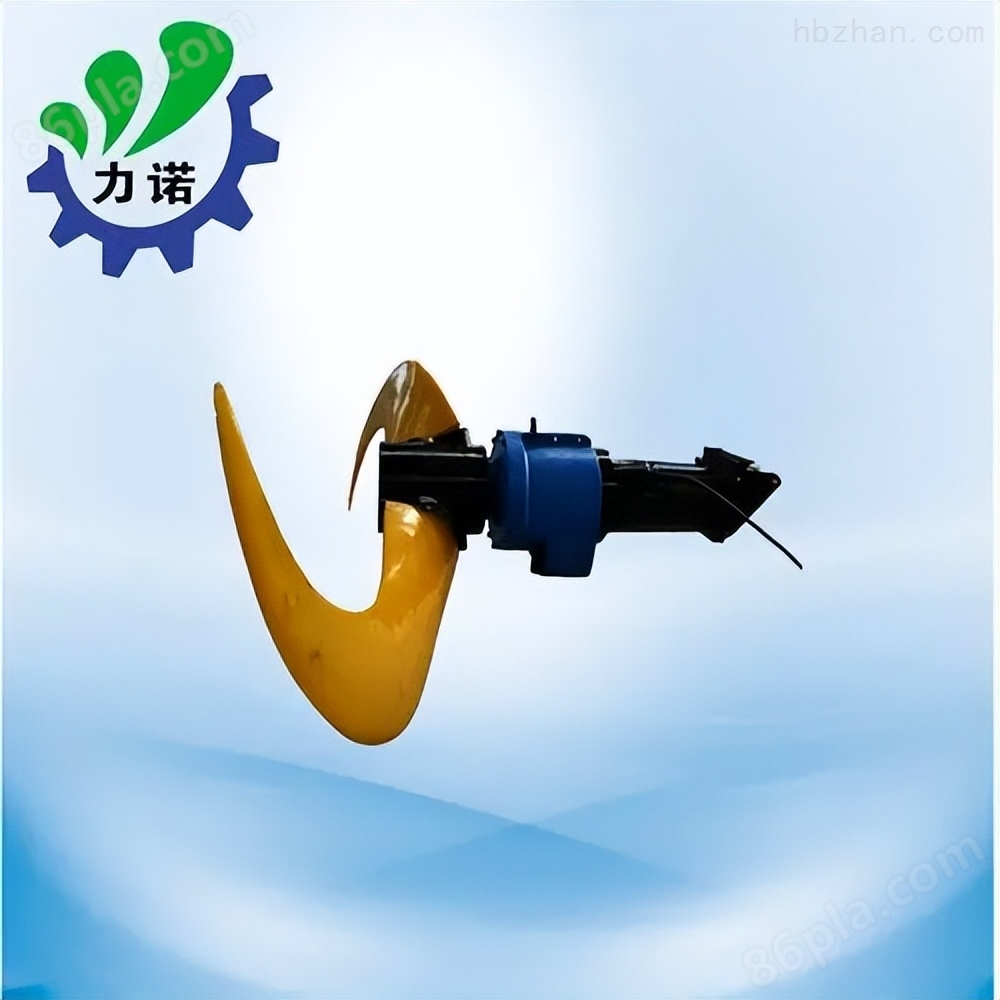


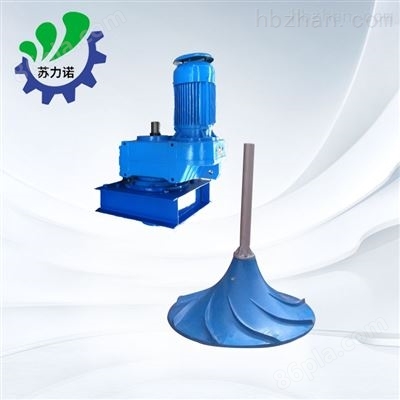
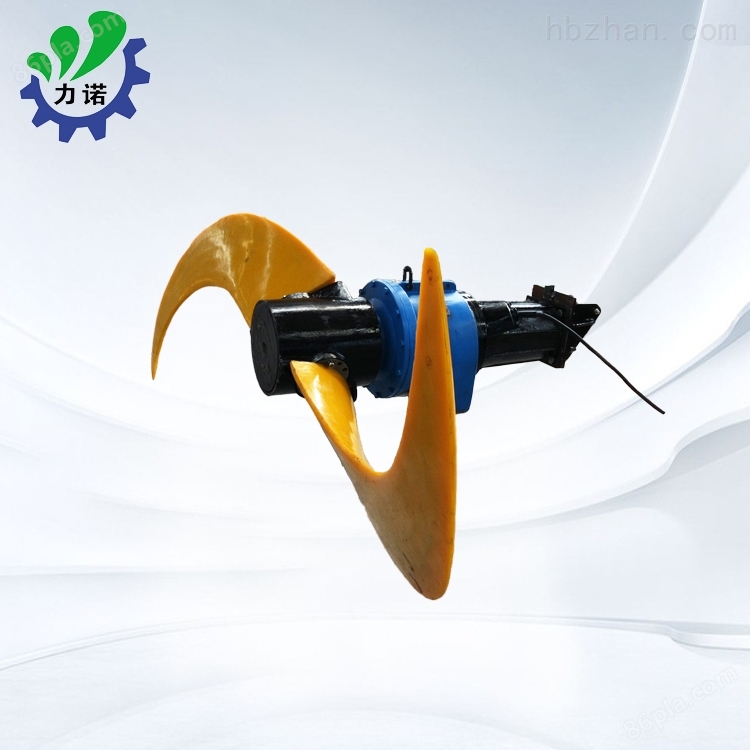
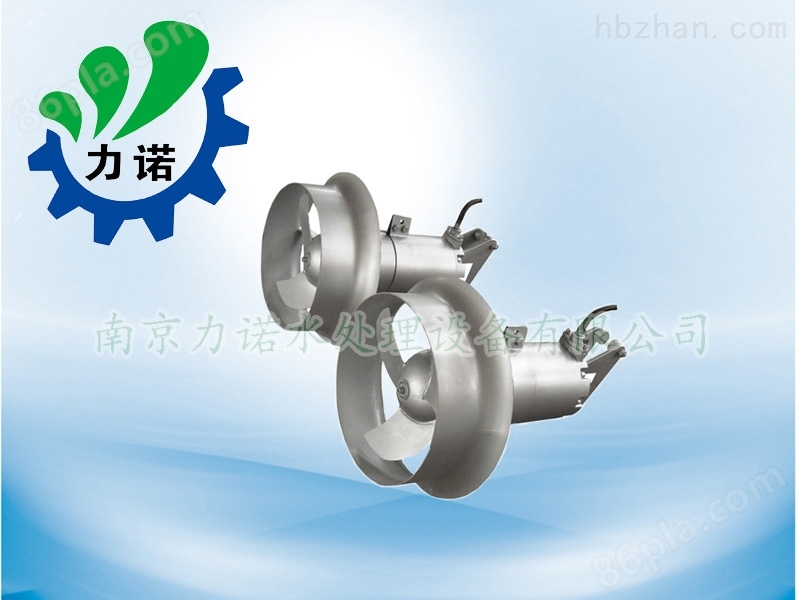
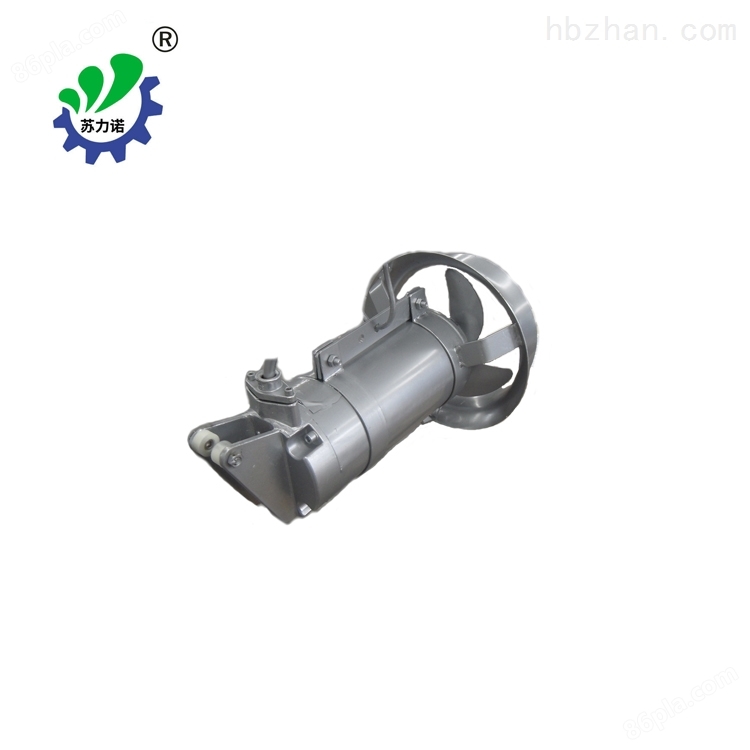
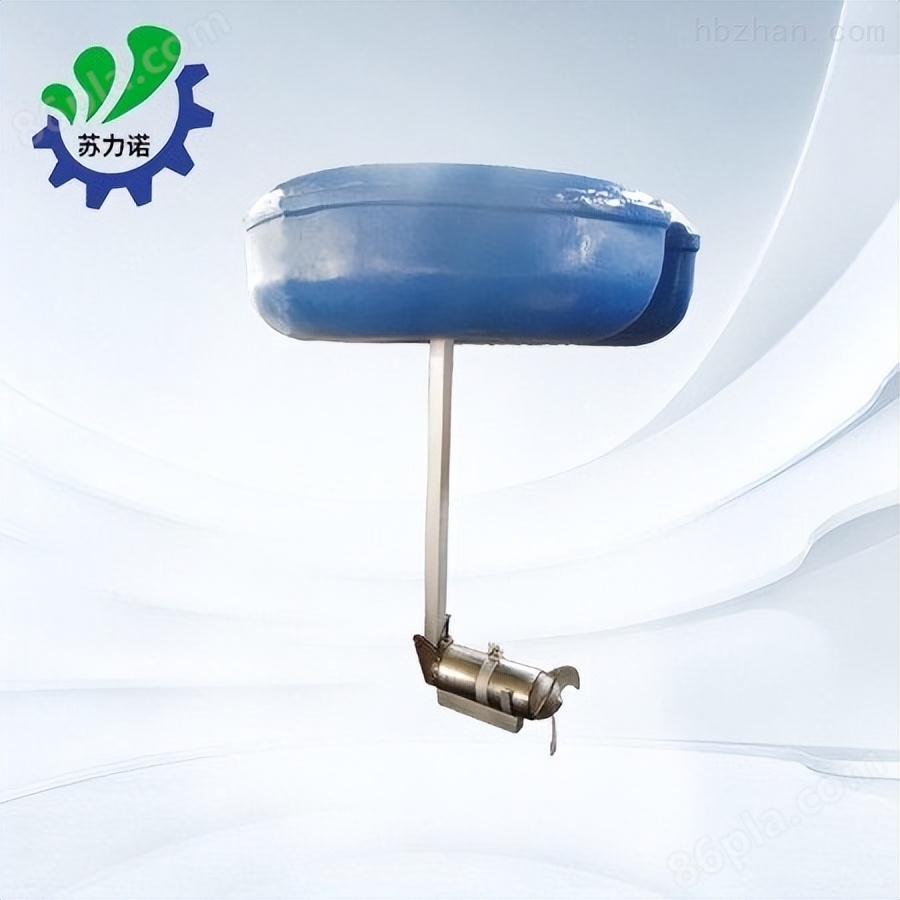
Low speed submersible thruster for sludge treatment
NegotiableUpdate on 01/17
- Model
- Nature of the Manufacturer
- Producers
- Product Category
- Place of Origin
Overview
The low-speed submersible thruster for sludge treatment generates strong water flow with low tangential opening, which can easily achieve water circulation and create water flow during nitrification, denitrification, and phosphorus removal stages in large volume fluids. Compact structure, simple operation and maintenance, easy installation and maintenance, long service life.
Product Details
Low speed submersible thruster for sludge treatmentSuitable for balancing tanks, nitrification/denitrification tanks, sludge treatment and storage tanks in sewage treatment plants, as well as mixing liquids containing suspended solids and solid impurities in industrial processes to prevent sedimentation. Suitable for aeration tanks and anaerobic tanks in industrial and urban sewage treatment plants, large nitrification and denitrification tanks, disc type activated sludge treatment tanks, disinfection vehicles, and industrial agitation. It generates strong water flow with low tangential opening, which can easily achieve water circulation and create water flow during nitrification, denitrification, and phosphorus removal stages in large volume fluids. Compact structure, simple operation and maintenance, easy installation and maintenance, long service life.
Performance advantages:
1. Compact structure, easy operation and maintenance, convenient installation and maintenance, long service life;
2. The impeller has a hydraulic design structure, high working efficiency, and the swept back blades have self-cleaning function, which can prevent debris from entangling and blocking;
3. Mixing with the aeration system can significantly reduce energy consumption, increase oxygen filling capacity, and effectively prevent sedimentation;
4. The insulation level of the motor winding is F, and the protection level is IP68. When used in conjunction with the aeration system of a sewage treatment plant, it can greatly reduce the energy consumption of the system and significantly increase the oxygen filling capacity, effectively preventing sedimentation. According to the process requirements, the direct coupled submersible mixer can be equipped with a guide cover.
5. Two mechanical seals; Select high-quality bearings and anti condensation devices for the motor to ensure safer operation;
6. The mixed mixing series products use multi-stage motors and adopt a direct connection structure, which has low energy consumption and high efficiency; The impeller is formed by precision casting or stamping, with high precision, large thrust, beautiful and smooth appearance, and compact structure.
Low speed submersible thruster for sludge treatmentThe selection needs to consider the following factors:
1. The factors that usually need to be considered in the design of a thruster are energy density (W/m3) and overall flow velocity (m/s), especially in wastewater treatment.
2. The correct selection of the impeller directly affects the normal use of the equipment. The purpose of selection is to enable the mixer to fully perform its mixing function in the appropriate volume, and the selection can generally be determined by the flow rate.
3. According to the different process requirements of sewage treatment plants, the flow rate of the impeller should be ensured between 0.15~0.3m/s. If the flow rate is lower than 0.15m/s, the impeller effect cannot be achieved. If the flow rate exceeds 0.3m/s, it will affect the process effect and cause waste. Therefore, before selecting, first determine the location where the submersible impeller will be used, such as anaerobic tanks, facultative oxygen tanks, and aeration tanks.
4. Next are the parameters of the medium, such as suspended solids content, viscosity, temperature, pH value, as well as the shape and depth of the water tank.

Similar Product Recommend