-
E-mail
15821884544@163.com
-
Phone
15821884544
-
Address
No. 188 Guanghua Road, Minhang District, Shanghai
Product Categories
Gengsheng Environmental Protection Technology (Shanghai) Co., Ltd
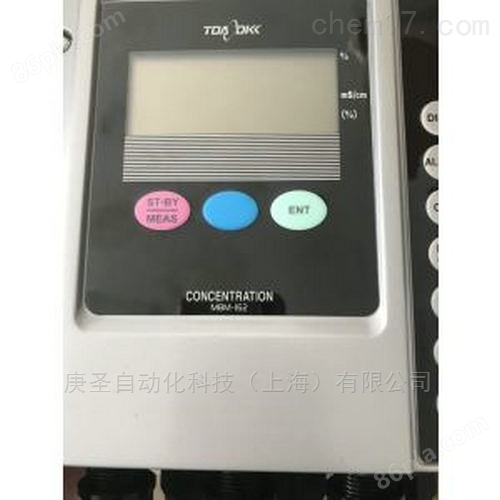
How much does the sales concentration meter cost
NegotiableUpdate on 02/06
- Model
- Nature of the Manufacturer
- Producers
- Product Category
- Place of Origin
Overview
TMAH (Tetramethylammonium Hydroxide) in the Japanese DKK online TMAH concentration meter is an extremely common chemical reagent and is widely used in various chemical processes. It plays an important role in fields such as chemical analysis, semiconductor material preparation, imaging agents, surfactants, etc. TMAH is also an important organic base with strong corrosiveness, capable of reacting with organic and inorganic substances.
Product Details
TMAH (Tetramethylammonium Hydroxide) concentration meter is a very common chemical reagent and is widely used in various chemical processes. The concentration of TMAH is the most important and frequently discussed topic in the use of TMAH. Next, we will publish an article on the concentration of TMAH.
Introduction to TMAH:
TMAH is a colorless, transparent liquid with strong hydrogen oxidation properties. It plays an important role in fields such as chemical analysis, semiconductor material preparation, imaging agents, surfactants, etc. TMAH is also an important organic base with strong corrosiveness, capable of reacting with organic and inorganic substances.
Due to its strong hydrogen oxidizing and corrosive properties, TMAH requires attention to concentration control during use. Different concentrations of TMAH can play different roles in different chemical processes.
Concentration of TMAH
The control of TMAH concentration is crucial for the success of different chemical processes. Here we introduce a few examples:
1. Semiconductor preparation
TMAH plays an important role in semiconductor fabrication processes, such as etching silicon wafers and removing residues. During these processes, TMAH is generally used at a concentration of 25% -30%, and concentrations that are too high or too low can affect the semiconductor preparation efficiency.
2. Chemical analysis
TMAH is commonly used for sample processing and dissolution in chemical analysis. The concentration and duration of TMAH action also vary among different samples. For example, in the process of DNA extraction, TMAH is generally used at a concentration of 10%, while in protein analysis, a higher concentration (about 30%) is required.
3. Imaging agent
In imaging agents, the concentration of TMAH also needs to be controlled within a certain range. Usually, the concentration of TMAH should be adjusted according to the ambient temperature and washing time. Generally speaking, a TMAH concentration of 10% is ideal.
summary
TMAH is an important chemical reagent with wide applications in semiconductor preparation, chemical analysis, imaging agents, and other fields. Different concentrations of TMAH can play different roles in different chemical processes, therefore, controlling the concentration of TMAH is crucial. During use, it is recommended to choose the appropriate TMAH concentration according to different chemical processes and requirements to ensure the obtained chemical effect.
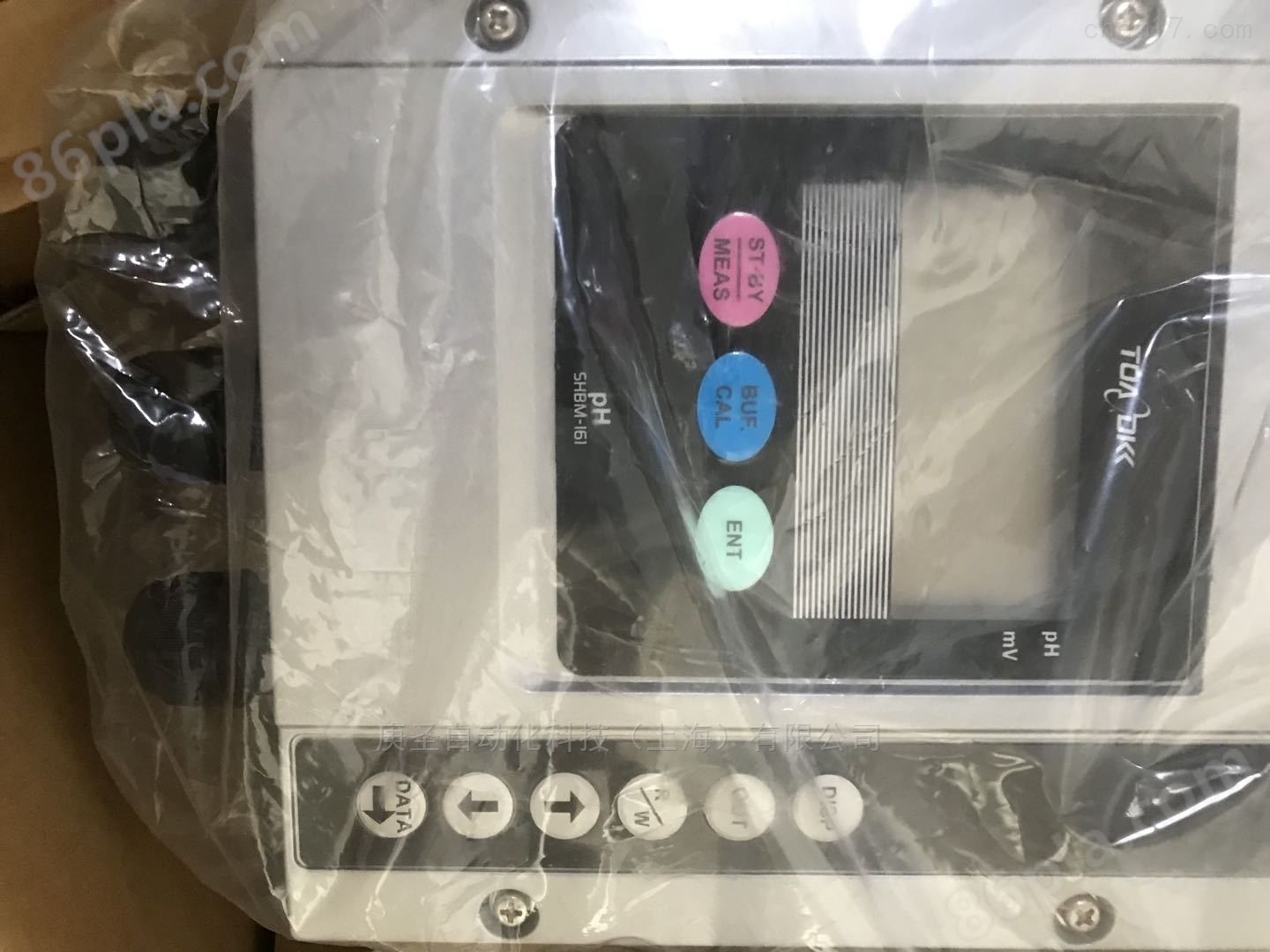
Introduction to Japan DKK Online TMAH Concentration Meter:
1. A sturdy aluminum alloy casing that can be installed on-site.
2. It can accurately measure high conductivity solutions, with a measurement range from 0~500 μ S/cm to 0~2000ms/cm.
3. Adopting the principle of electromagnetic induction, it avoids the disadvantages of metal electrodes and is not affected by electrode scaling and capacitance polarization. Can accurately measure high conductivity solutions and highly corrosive solutions such as sulfuric acid, hydrochloric acid, sodium hydroxide, etc.
4. The liquid connection part of the detector is made of C-PVC material or PFA (Teflon) material, ensuring good chemical corrosion resistance and temperature tolerance.
5. Perform temperature compensation (calculation) through a microcomputer processor.
6. Can simultaneously output measurement values and solution temperature values.
7. The measured values can be compensated and corrected.
8. Accurately monitor TMAH (tetramethylammonium hydroxide), a major component of the developing solution used in photolithography processes in semiconductor manufacturing.
9. Repeatability: ± 0.003%
10. Measurement range: 0-3%
feature
High performance, repeatability: ± 0.003%
Large scale monitoring
Concentration: 0-3%, Conductivity: 0-1000 mS/cm
Automatic display range switching
Implement three types of monitoring: TMAH concentration, conductivity, and temperature
Similar Product Recommend