-
E-mail
geqianshun@vip.sina.com
-
Phone
18913397620,13951770588
-
Address
Chenggong Industrial Park, Lukou Town, Jiangning District, Nanjing City
Product Categories
Nanjing Shengchi Rubber Machinery Manufacturing Co., Ltd
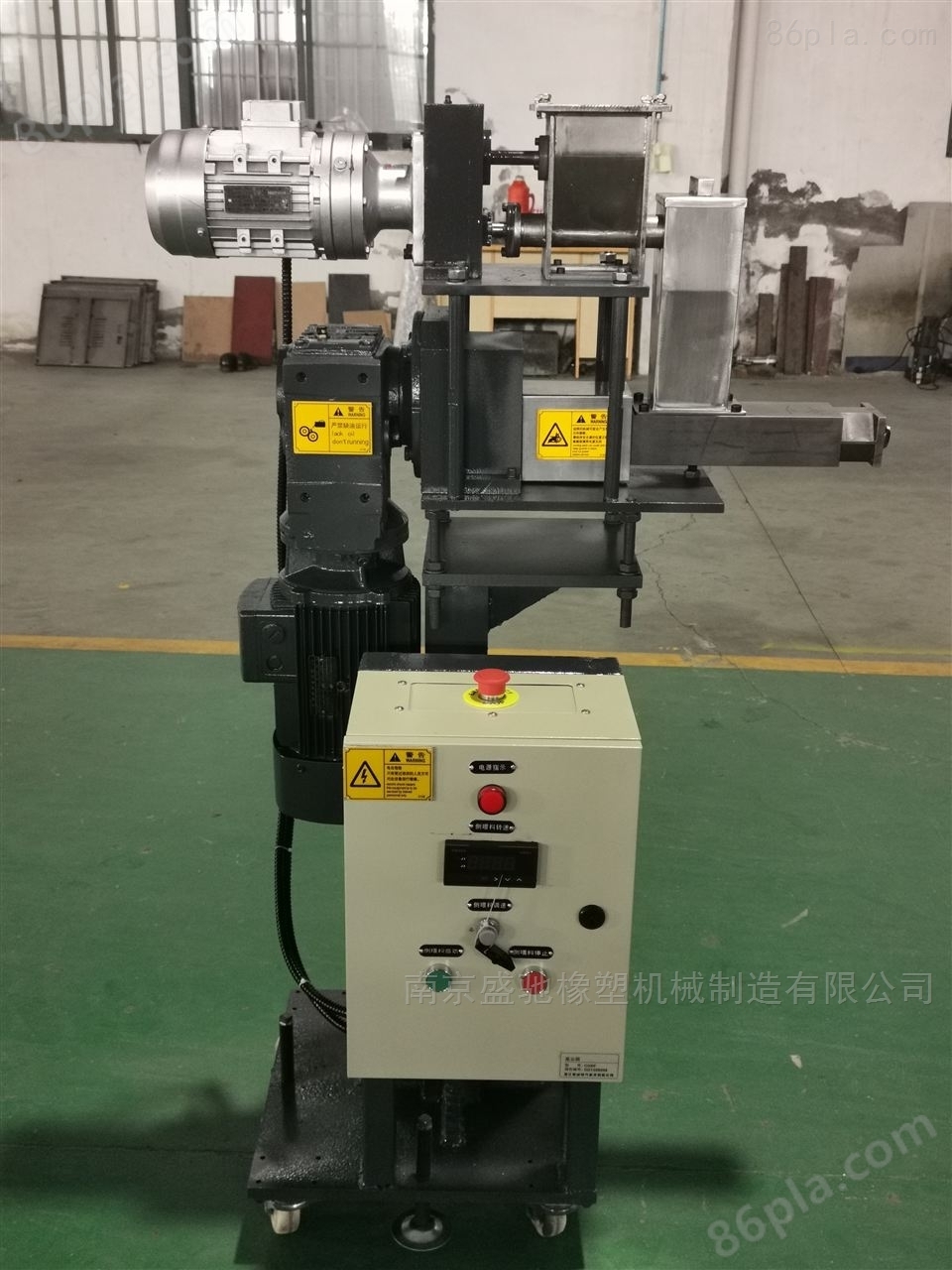
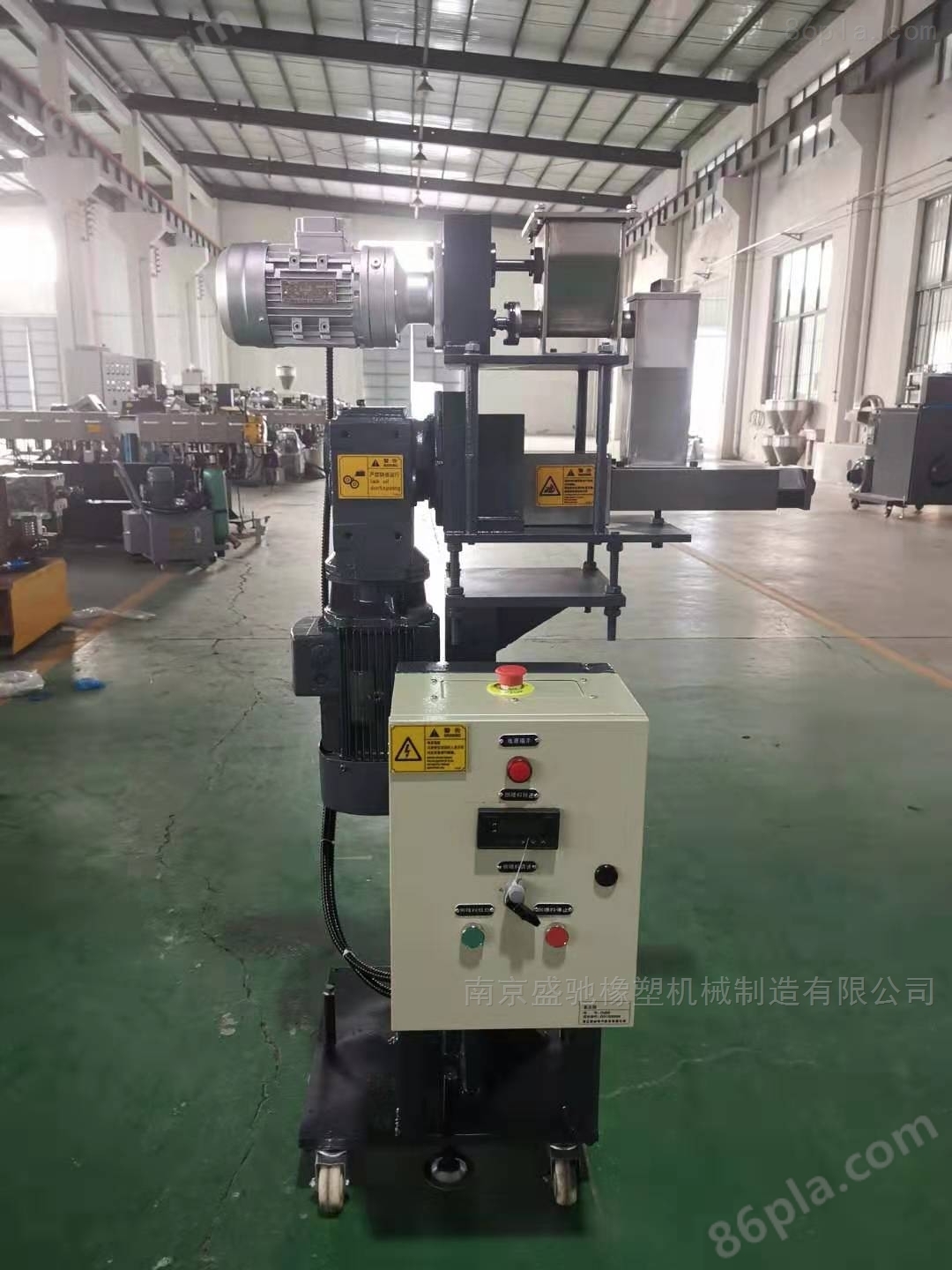
Fully automatic plastic lateral feeder
NegotiableUpdate on 01/12
- Model
- Nature of the Manufacturer
- Producers
- Product Category
- Place of Origin
Overview
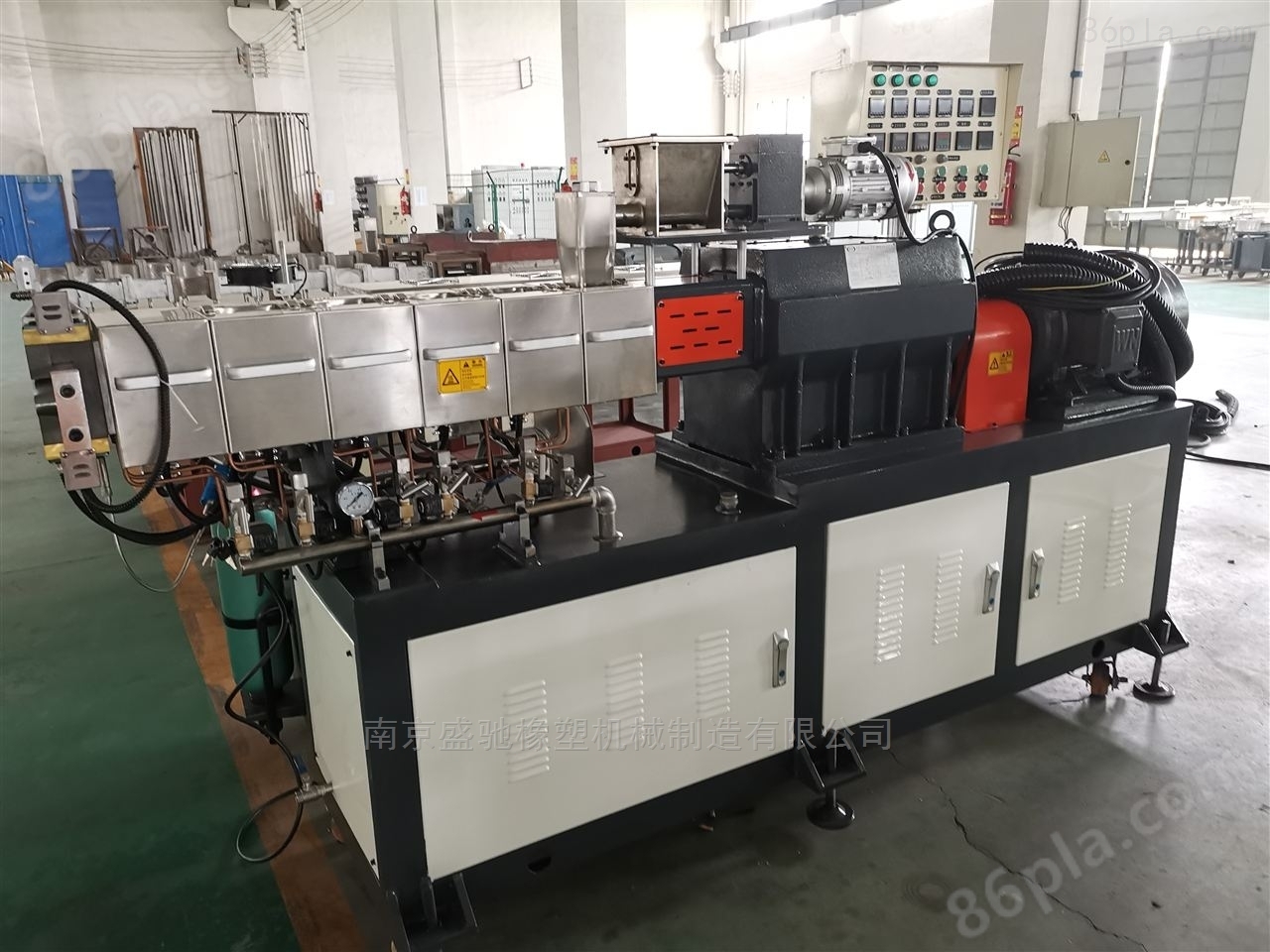
The fully automatic plastic lateral feeder adopts a modular design principle, with optimized screw configuration, cylinder structure, aspect ratio, feeding and extrusion, combined with German design structure. The basic screw component is a conveying component, designed with precise computer technology, and has excellent self-cleaning and interchangeable properties. With more than ten years of experience in screw configuration research and design and software technology, it can achieve advanced functions such as material conveying, pressure building extrusion, and various filling functions as needed, such as short glass fiber copolymerization, powder assisted combustion resistance, and calcium carbonate filling, with high energy efficiency. The main screw components have been collected
Product Details
Fully automatic plastic lateral feederAdvantage:
1. The feeding body and hopper are both streamlined, ensuring smooth feeding and easy cleaning.
2. The first stage adopts a variable frequency speed regulation system for control and volume measurement. Second stage constant speed conveying.
3. Stainless steel feeding hopper with observation screen and cleaning port.
4. Feeding machine with support trolley. Removable, easy to install and maintain.
5. The motor and reducer are directly connected, and the feeding body is equipped with a horizontal mixer, ensuring smooth and even feeding without bridging.
Fully automatic plastic lateral feederNotes:
1. When the staff enters the work site, they first wear safety helmets and dust masks, carefully check whether the equipment is normal (whether there are any abnormalities in the belt, motor, and switch buttons), whether the feeder has excess material, check the production situation, and promptly deal with any problems found.
2. When the material cutting personnel need to remove large pieces, they must do so while someone is stopping the machine to avoid injuring others.
3. When preparing materials for the feeder, no one should be within 5 meters to avoid being accidentally injured by the forklift.
4. The operator should stand firmly on the feeder when cutting to avoid falling off. At the same time, operate with caution to prevent touching the stick and getting your hands caught.
5. When the belt deviates, stop the machine in a timely manner. It is strictly prohibited to manually scrape materials or perform other treatments without stopping the machine.
6. When the feeder unloads, no one is allowed to walk under the large angle belt.
7. When feeding the machine, make sure to secure the guardrail and strictly prohibit unrelated personnel from approaching.
maintenance
1. When the feeder is used for batching and quantitative feeding, in order to ensure uniform and stable feeding and prevent material from flowing naturally to the horizontal equipment, if it is used for continuous feeding of general materials, the equipment can be tilted down by 10 °. For viscous materials and materials with high moisture content, the equipment can be tilted down 15 °.
2. The feeder behind the equipment should have a 20mm clearance for movement, and should be horizontal horizontally. Flexible connections should be used for hanging equipment.
3. Before the air test, all bolts should be consolidated once, especially the foundation bolts of the oscillating electromagnetic system. After working continuously for 3-5 hours, they should be tightened from the beginning.
4. During the test drive, the two oscillating motors must rotate in the opposite direction.
5. During the feeding process, the stability of amplitude, current, and noise should be regularly checked, and any abnormalities should be promptly stopped and dealt with.
6. Lubricating oil should be added to electromagnetic bearings every 2 months, and lubricating oil should be added once a month during high temperature seasons.
Similar Product Recommend