-
E-mail
626152439@qq.com
-
Phone
15530223360
-
Address
North section of Chang'an Road, Dingzhou Economic Development Zone (China Investment Corporation Manufacturing Base)
Product Categories
Youwei Environmental Protection
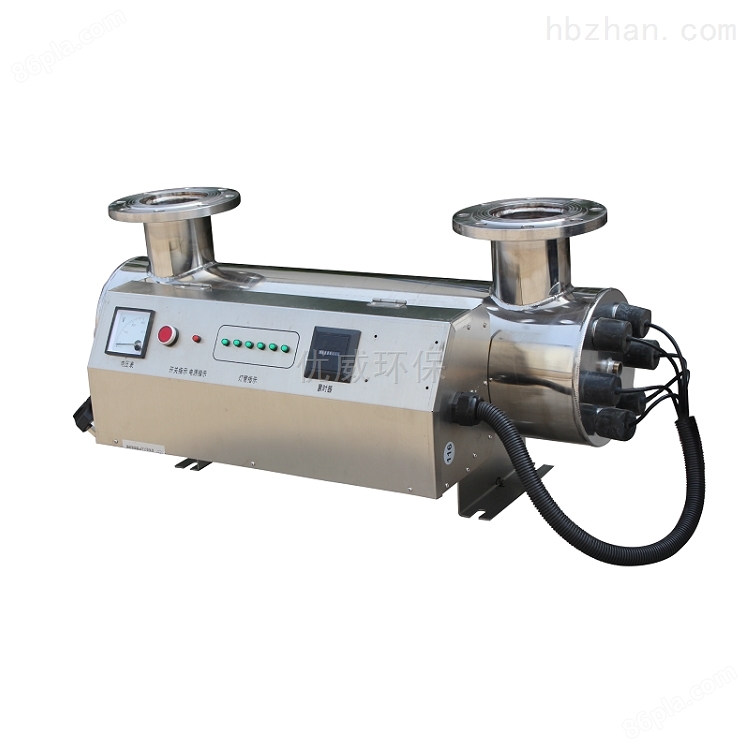
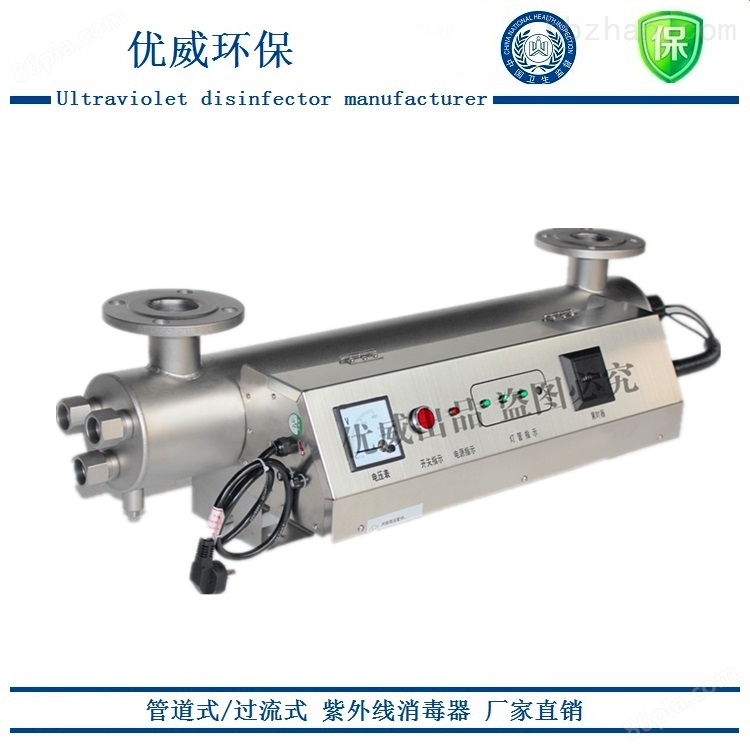
Framework UV Disinfector Supplier
NegotiableUpdate on 01/17
- Model
- Nature of the Manufacturer
- Producers
- Product Category
- Place of Origin
Overview
Frame UV sterilizer: UV radiation has a strong killing effect on bacteria and can also cause certain harm to the human body. The cornea of the eye is the most vulnerable part of the human body, so it is not advisable to look directly at a lit lamp at any time to avoid injury. If it is necessary to look, ordinary glass (wearing glasses) or transparent plastic sheets should be used as protective masks. Do not misuse quartz glass, as ordinary glass is almost impervious to ultraviolet radiation. Once injured, there is no need to panic. Facial burns will cause the epidermis to peel off after a few days and heal without treatment. Eye injuries can cause redness, swelling, tearing, and stinging, which takes about three to four days.
Product Details
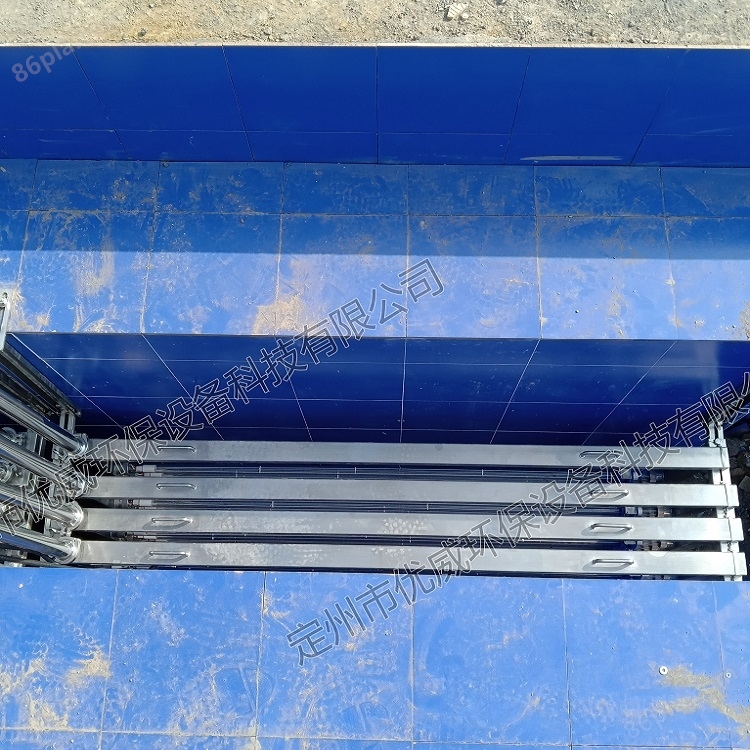
Frame UV sterilizerUV disinfection is an efficient, non chemical method for inhibiting spoilage, with low maintenance costs and no secondary pollution. As a purely physical disinfection method, UV disinfection can effectively remove the vast majority of microorganisms in water without producing any disinfection by-products, ensuring that the microbial level at the water point is within the specified quality standards. UV sterilizers have the advantages of simplicity, convenience, broad-spectrum efficiency, no secondary pollution, easy management, and automation. With the introduction of various new designed UV lamps, the application scope of UV sterilization is constantly expanding, and it has become a highly competitive sterilization and disinfection product in the field of water disinfection.
Frame UV sterilizerThe penetration ability of ultraviolet rays is not as high as imagined. Any paper, plastic, ordinary glass, etc. will significantly reduce their irradiation intensity. Therefore, the lamp tube and glass sleeve should be kept clean (often wiped with 75% alcohol). If there are hardness (calcium or magnesium) substances, iron or manganese in the water, the quartz tube needs to be cleaned regularly. After cleaning the quartz tube, plastic gloves should be worn and the quartz tube should be carefully inserted into the reactor. After installing the sealing ring, check for water leakage, plug in the power supply, and ensure that the detection lamp emits light stably. If the water quality in the area where it is used is relatively turbid and the turbidity is ≥ 5 degrees, methods such as flocculation, sedimentation, filtration, etc. should be used to remove various impurities from the water. Otherwise, the sterilization effect will be greatly reduced.
UV transmittance
Penetration rate (T10) is an indicator parameter of the degree of ultraviolet absorption in the water to be treated. It is the total amount of substances that absorb ultraviolet radiation in the water to be treated, such as suspended organic matter and minerals (iron and magnesium, in dissolved and insoluble states, respectively). When the penetration rate of the water to be treated and the ultraviolet intensity inside the reactor are both known, the volume of the reactor can be calculated. Calculate the ultraviolet dose based on the volume of the reactor.
Similar Product Recommend