-
E-mail
ytjinwoquan@163.com
-
Phone
15336388128
-
Address
No. 102 Yonghe Road, Fushan District, Yantai City, Shandong Province
Product Categories
- PE-RT II insulation composite plastic pipe
- PVC-M water supply pipe
- PVC-U water supply pipe fittings
- MPP power pipe
- AGR pipes
- Double layered axial hollow wall tube
- Power pipe fittings
- PE pipe material
- PVC-UH
- Modified high-density polyethylene (HDPE IW) hexagonal structure wall pipe
- PE water supply and drainage pipe
Yantai Jinwoquan Plastic Co., Ltd

Double layered axial hollow wall tube
NegotiableUpdate on 04/14
- Model
- Nature of the Manufacturer
- Producers
- Product Category
- Place of Origin
Overview
Double layered axial hollow wall tube
Product Details
Product Introduction:
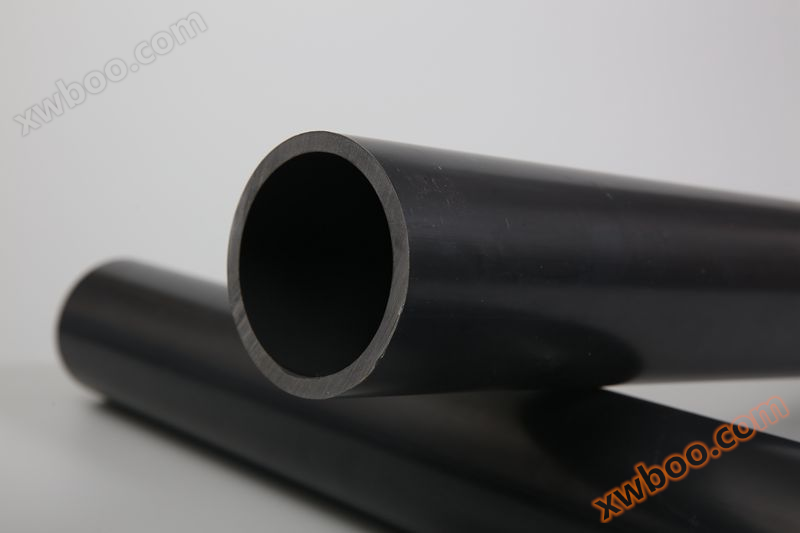
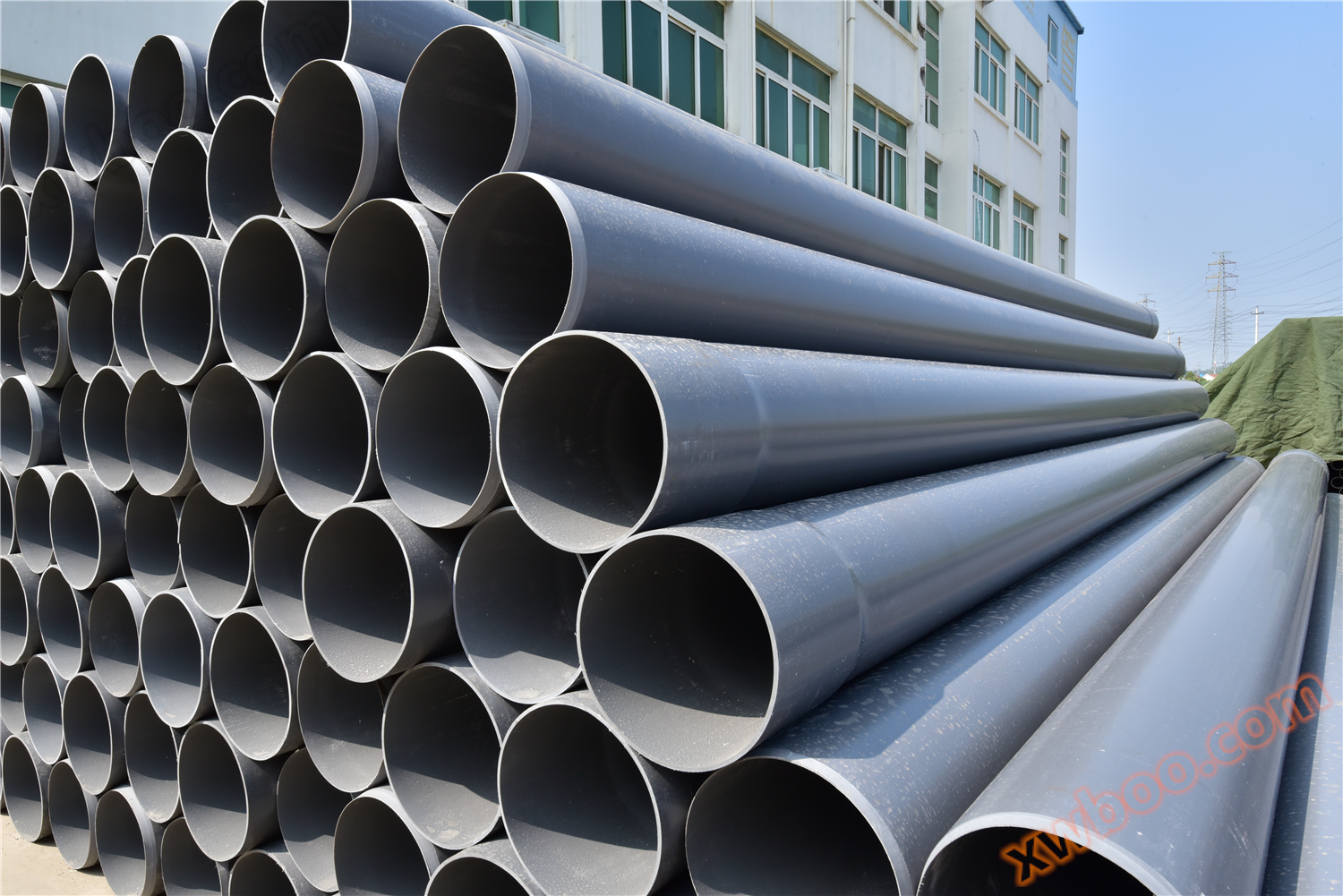
Double layered axial hollow wall pipes are mainly made of hard polyethylene (PVC-U) resin as the main raw material, with necessary processing aids added and extruded. They are mainly used as buried drainage pipes. Double layered axial hollow wall pipes should be produced using PVC resin and stabilizers to meet hygiene performance requirements, and there should be no secondary pollution during use.
Product Features:
1. Good chemical stability, unaffected by environmental factors and the composition of the medium inside the pipeline, and good corrosion resistance.
2. Small thermal conductivity, low thermal conductivity, good insulation and energy-saving effect.
3. Good hydraulic performance, smooth inner wall of the pipeline, low resistance coefficient, less prone to scaling, and the flow area inside the pipeline does not change over time, resulting in a low probability of pipeline blockage.
4. Compared to metal pipes, it has lower density, lighter material, convenient transportation/installation, flexibility, simplicity, and easy maintenance.
5. Excellent mechanical performance, strong impact resistance, and ring stiffness can reach SN6-SN16.
6. Good flame retardant performance, non combustible, non combustible.
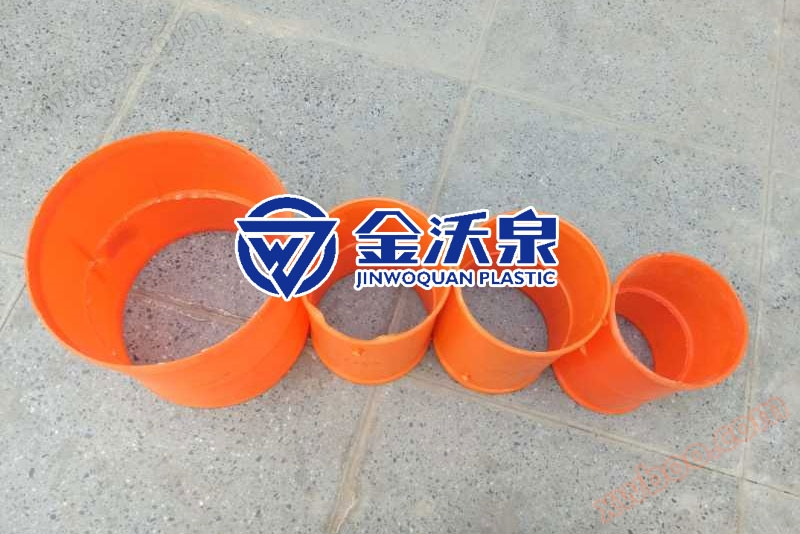
7. Easy and fast installation, with adhesive or elastic sealing ring connections. The pipeline body can be connected to water within 24 hours after installation.
Application areas:
Double layered axial hollow wall pipes are suitable for underground sewage and drainage in municipal engineering, outdoor public buildings, residential areas, and non pressure farmland drainage. They can also be used as industrial sewage and drainage pipes.
Transportation and Storage:
Transportation: During loading, unloading, and transportation, products should not be subjected to severe impact, throwing, or heavy pressure, and should not be exposed to direct sunlight.
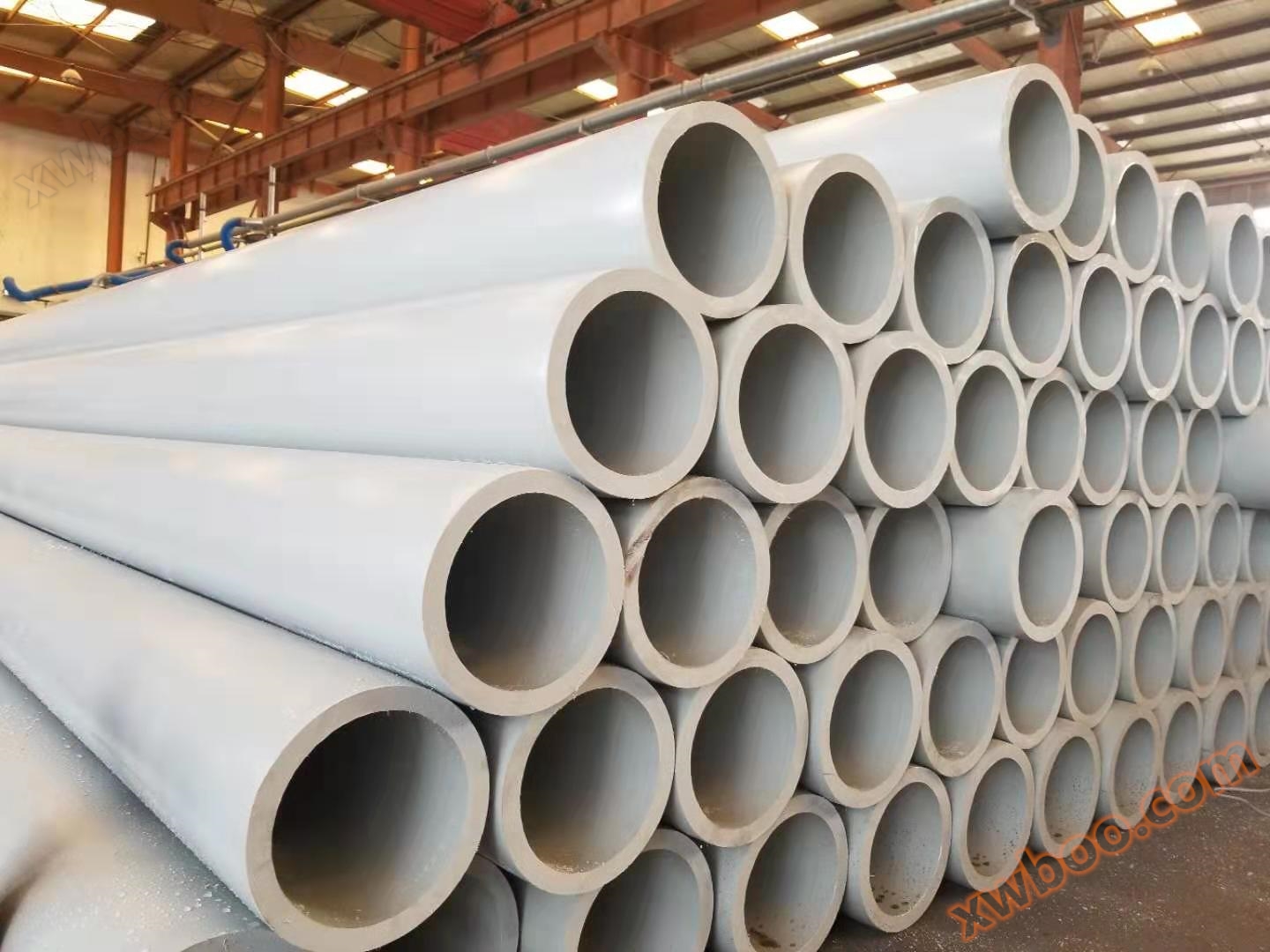
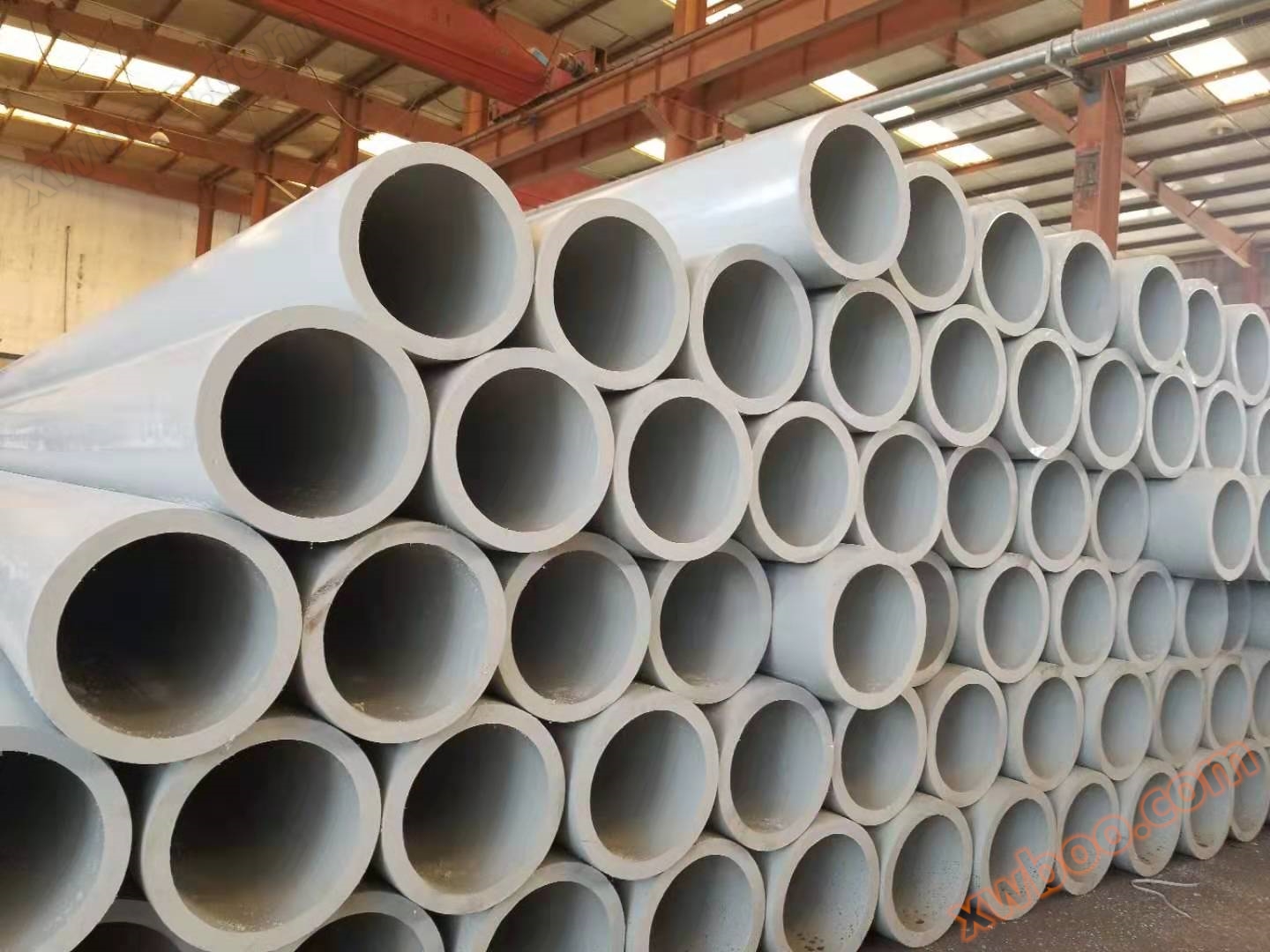
Storage: The storage area for pipes should be flat, neatly stacked, and staggered at the joints to avoid deformation caused by compression. Pipes should not be exposed to direct sunlight, kept away from heat sources, and stacked at a height of no more than 2 meters.