-
E-mail
972496659@qq.com
-
Phone
18015853030
-
Address
Changzhou, Jiangsu
Product Categories
Jiangsu Nanpai Municipal Construction Engineering Co., Ltd

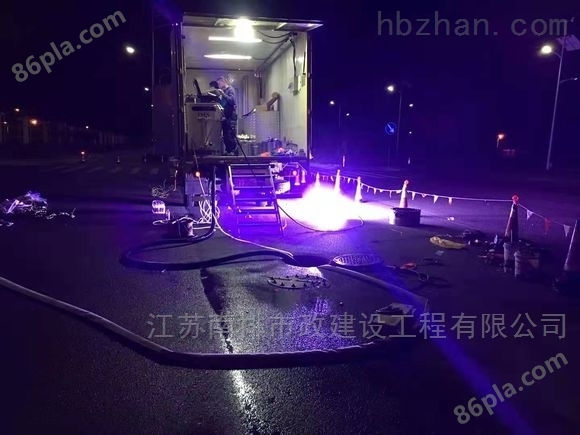
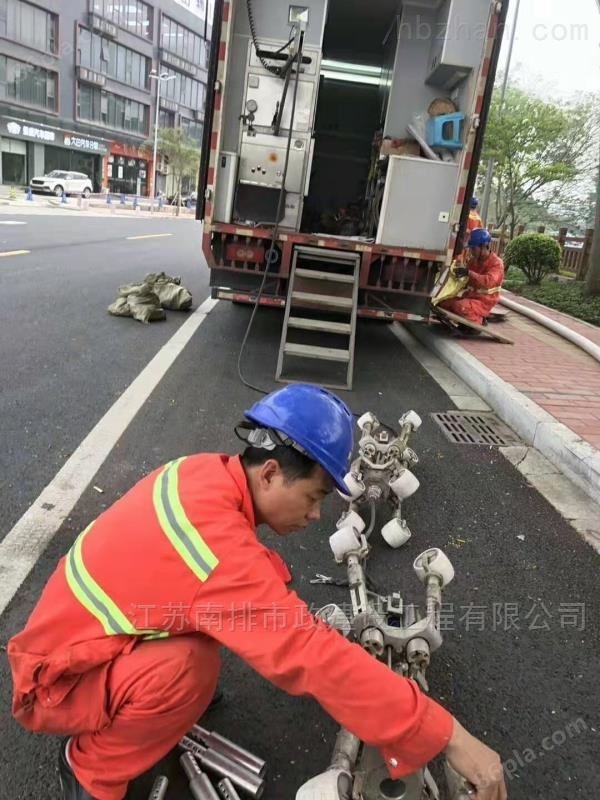

Advantages of CIPP UV curing repair for rainwater and sewage pipelines
NegotiableUpdate on 01/17
- Model
- Nature of the Manufacturer
- Producers
- Product Category
- Place of Origin
Overview
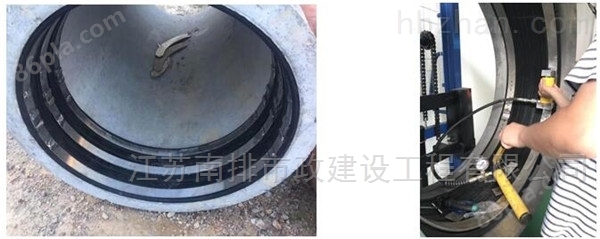
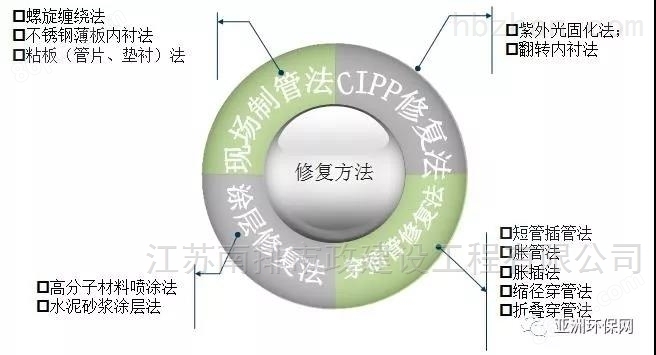
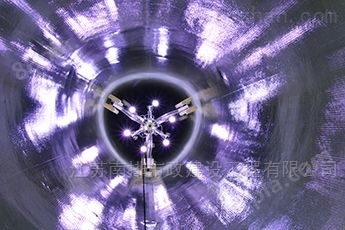
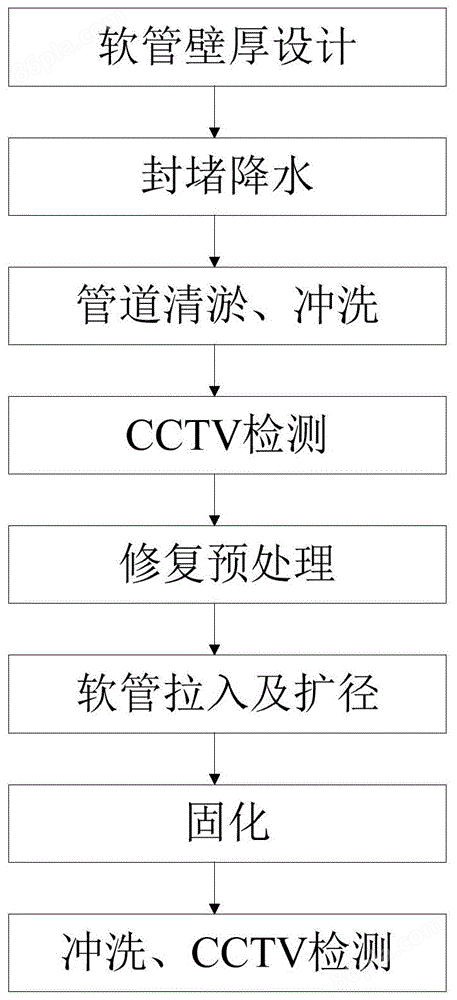
The construction method and process of CIPP ultraviolet curing repair for Jiangsu Nanpai Municipal Pipeline includes the following steps: design of hose wall thickness, sealing and dewatering, pipeline dredging, flushing, CCTV detection, repair pretreatment, hose pulling in and expanding, curing, completion of curing, removal of water blocking airbags after CCTV detection, and restoration of pipeline water supply. The present invention adopts the CIPP ultraviolet curing repair construction method with the above steps, which greatly shortens the construction period, reduces safety hazards, and minimizes traffic impact,
Product Details
Background technology of non excavation CIPP and UV curing in-situ lining repair process for urban pipelines: non excavation repair and UV curing repair of pipelines, CIPP UV curing in-situ lining repair method for pipeline defects
With the acceleration of urban modernization, the drainage network, as an important municipal facility, plays a crucial role as the "blood vessel" of the city. At the beginning of urban construction, the pipeline network was not systematically planned, resulting in problems such as dead ends and mixed rainwater and sewage connections. Over time, some pipelines began to exhibit structural defects such as aging, rupture, leakage, deformation, as well as functional defects such as tree roots and blockages. Causing problems such as urban waterlogging and pollution of rivers, affecting people's lives and environmental issues. Therefore, the work of repairing and renovating the municipal drainage network is urgent. The traditional repair process only involves excavation and replacement of pipes, which has long construction periods and significant environmental impacts. Therefore, adopting new restoration technologies that have minimal impact on residents' lives, are environmentally friendly, and fast is the trend.
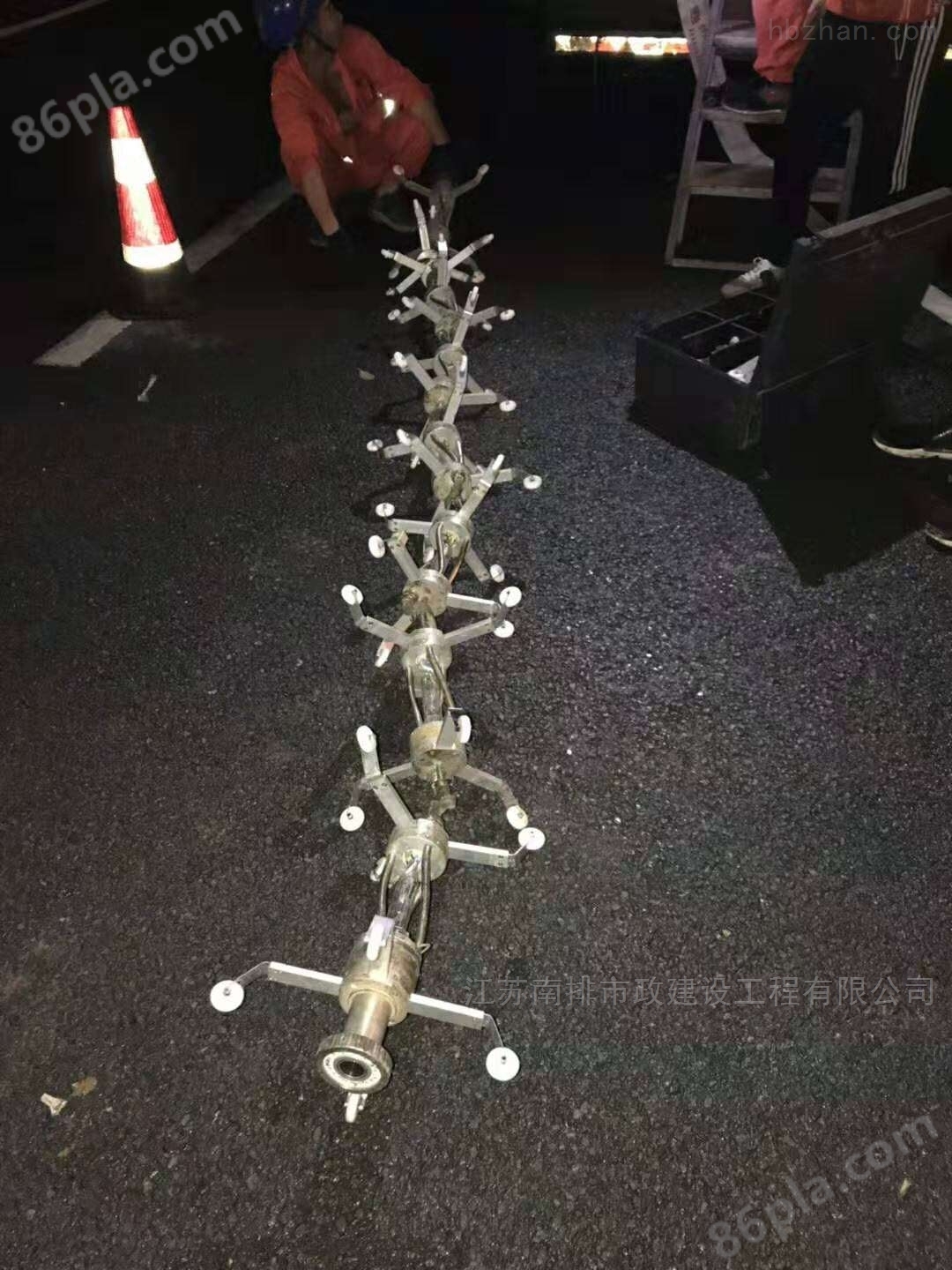
The present invention relates to the field of construction technology, particularly to a cipp ultraviolet curing repair construction method.
Implementation elements of non excavation CIPP.UV ultraviolet curing repair technology for municipal sewage drainage pipelines:
The purpose of the present invention is to provide a cipp ultraviolet curing repair construction method, which greatly shortens the construction period, reduces safety hazards, minimizes traffic impact, and has good social benefits.
To achieve the above objectives, the present invention provides a cipp ultraviolet curing repair construction method, comprising the following steps:
(1) Design of hose wall thickness: When performing semi-structured repairs, design the hose wall thickness, and when performing structural repairs, design the hose wall thickness;
(2) Sealing off precipitation: When the equipment arrives at the site, the construction section is enclosed and sealed, the well is opened for ventilation, and a blower is used to force ventilation for half an hour. The gas situation in the inspection well is detected by a detector. Under safe conditions, the work is carried out in the well. Inflatable airbags are used to block the upstream and downstream of the pipeline to be repaired. Two plugs are set up in the upstream pipe section, and one plug is set up in the downstream pipe section. Then, a brick pipe is built in both the upstream and downstream sections. A water pump is used to pump the water in the upstream inspection well of the pipeline to be repaired to the downstream inspection well, and the accumulated water in the pipeline to be repaired is pumped to the downstream inspection well;
(3) Pipeline dredging and flushing: Before repair construction, high-pressure flushing equipment is used to flush the pipeline and clean up the silt and garbage;
(4) CCTV inspection: using CCTV inspection technology to check the quality of underground pipelines;
(5) Pre treatment for repair: Use a milling cutter robot to remove hard scale and garbage that are difficult to clean in the drainage pipeline;
(6) Hose insertion and expansion: Pull the prepared hose into the original pipeline that needs to be repaired, inflate and expand it with an air compressor to make the inner lining tube tightly adhere to the original pipeline, using the original pipeline as the outer mold and the hose as the inner mold;
(7) Flushing and CCTV testing: After solidification is completed, remove the water blocking airbag and restore water flow to the pipeline after CCTV testing.
In the formula, t - wall thickness of the hose (mm);
D0- Outer diameter of flexible hose (mm);
K-circular support ratio, with a value of 7.0;
The long-term elastic modulus (MPa) of the el hose is taken as 50% of the short-term modulus;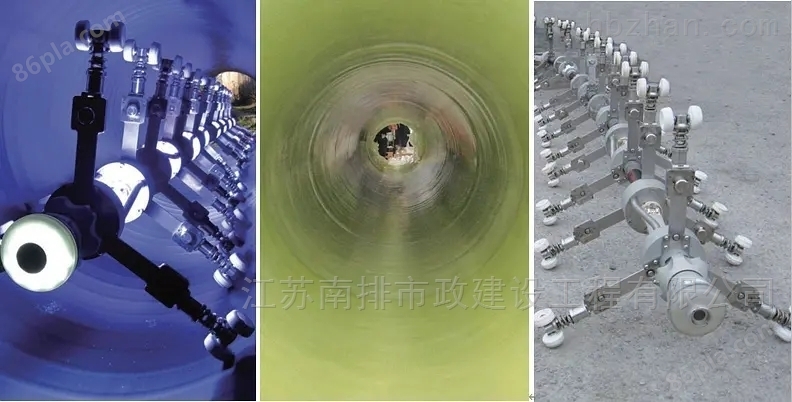
Similar Product Recommend