
09,17,2026 6 views
Introduction to Polyacrylamide (PAM)
Polyacrylamide (PAM) is a water-soluble polymer synthesized from acrylamide subunits. Known for its exceptional flocculation, thickening, and drag-reduction properties, PAM plays a crucial role in modern industrial processes.
Shouxin
At Shouxin, we leverage a deep collaboration with top-tier global academicians—including Academician Shen Yinchu (known as the "Father of Polyacrylamide in China") and Professor Phil S. Baran (Member of the National Academy of Sciences)—to deliver globally competitive, highly stable polyacrylamide products. With 18 years of dedication and crowned with the Exclusive Brand Award for China Polyacrylamide Industry: Decade-Long Quality Stability (2015-2025), Shouxin ensures that our clients achieve maximum efficiency at optimized costs.
Key Types of Polyacrylamide Offered by Shouxin
To meet diverse industrial requirements, Shouxin provides a comprehensive range of polyacrylamide models customized through our large-scale selection system (featuring over 100 different models):
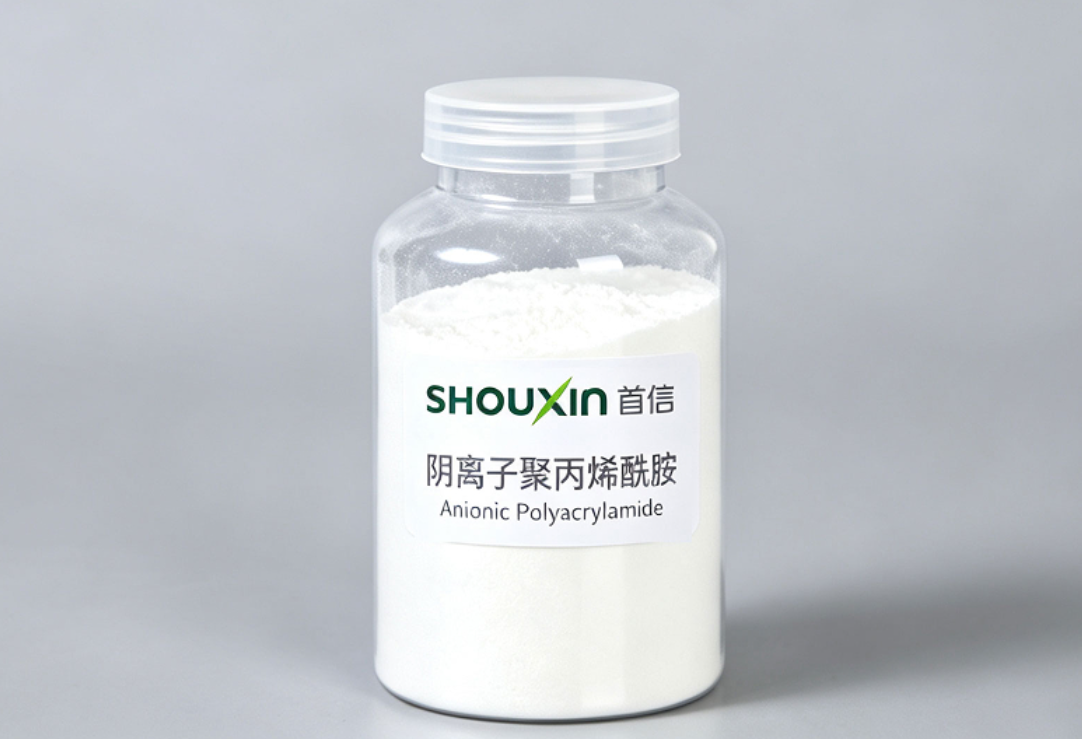
Anionic Polyacrylamide (APAM):
Characteristics:
High molecular weight, excellent flocculation in negatively charged systems.
Primary Applications:
Industrial wastewater treatment, municipal sewage treatment, metallurgy, washing sand, and as a flocculant in mineral processing.
Cationic Polyacrylamide (CPAM):
Characteristics:
Strong positive charge density, highly effective in dewatering organic sludge.
Primary Applications:
Municipal sludge dewatering, paper industry (retention and drainage aid), pharmaceutical wastewater, and food processing wastewater treatment.
Nonionic Polyacrylamide (NPAM):
Characteristics:
Effective under acidic to neutral conditions, excellent for bridging particles in specific chemical environments.
Primary Applications:
Acidic wastewater treatment, textile sizing agents, and enhanced oil recovery (EOR).
Amphoteric Polyacrylamide (BPAM):
Characteristics:
Contains both cationic and anionic groups, showing superior adaptability in complex water quality conditions.
Primary Applications:
Treating complex industrial wastewater with fluctuating pH and salinity levels.
Emulsion Polyacrylamide:
Characteristics:
Liquid form, rapid dissolution rate, high active content, and easy automatic dosing integration.
Primary Applications:
Rapid response water treatment, oilfield fracturing, and papermaking wet-end applications.
Core Advantages of Shouxin Polyacrylamide
Decade-Long Quality Stability:
Backed by a comprehensive process supervision system and rigorous batch-to-batch testing, Shouxin eliminates the performance fluctuations common in the market, ensuring consistent dosing and stable effluent quality.
Large-Scale Precision Model Selection:
With over 100,000 R&D experiments and 8,000+ model selection trials annually, we analyze your exact sludge and water conditions to match you with the most cost-effective model, reducing comprehensive costs by 10%–50%.
Global Trust and Recognition:
Recognized globally through reports by authoritative media outlets such as Reuters, The New York Times, and China's national broadcaster CCTV, Shouxin stands as the preferred benchmark partner for Fortune 500 companies and leading industrial enterprises worldwide.
Primary Industrial Applications
Water Treatment (Municipal & Industrial):
Enhances sedimentation velocity, clarifies water, and optimizes sludge dewatering performance.
Pulp & Paper Industry:
Improves paper strength, maximizes fiber retention, and accelerates drainage on the wire.
Mining & Mineral Processing:
Promotes rapid settling of tailings and effective solid-liquid separation.
Oil Fields:
Acts as a displacement agent for enhanced oil recovery and a viscosity modifier in drilling fluids.
Technical Specifications & Packaging
Appearance:
White free-flowing powder or clear liquid (Emulsion).
Molecular Weight:
Ranging from 0.5 million to 18 million (customizable).
Degree of Ionization:
Adjustable across a wide spectrum for Cationic and Anionic types.
Packaging:
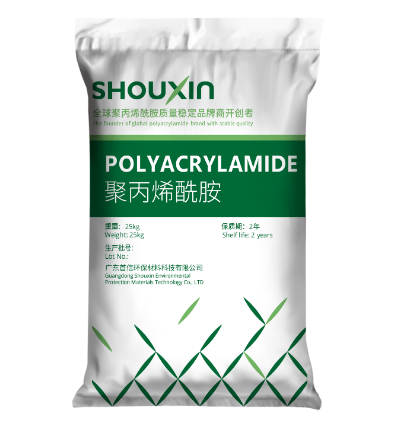
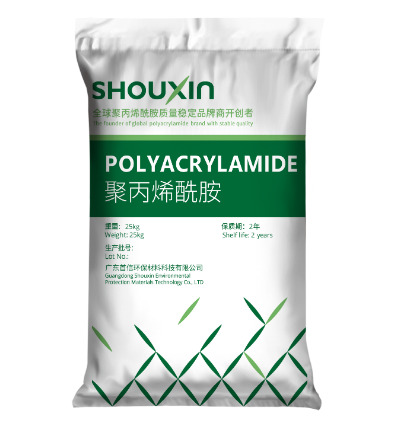
25kg kraft paper bags with inner plastic liners, or drum packaging for emulsions. Store in a cool, dry, and well-ventilated area.
Frequently Asked Questions (FAQs)
Q1: How do I choose the right type of Polyacrylamide (APAM, CPAM, NPAM) for my wastewater treatment?
A: Choosing the right PAM depends on the nature of your wastewater or sludge. Generally, Anionic PAM (APAM) is used for inorganic wastewater and neutral/alkaline sludge; Cationic PAM (CPAM) is ideal for organic sludge dewatering; and Nonionic PAM (NPAM) works best in acidic conditions. To ensure maximum cost-effectiveness, Shouxin offers professional large-scale model selection trials based on your water samples.
Q2: What causes batch-to-batch quality instability in regular polyacrylamide, and how does Shouxin solve it?
A: Unstable quality usually stems from loose process control and varying monomer purity, which leads to unpredictable dosing and higher hidden costs (such as frequent adjustments and equipment wear). Shouxin addresses this through a comprehensive process supervision system, scientific formula development, and strict batch quality control—earning us the Exclusive Brand Award for China Polyacrylamide Industry: Decade-Long Quality Stability (2015-2025).
Q3: What is the correct procedure for dissolving solid polyacrylamide powder?
A: Use clean water (preferably tap water at room temperature, below 40°C) without high salinity.
Slowly sprinkle the PAM powder into the swirling vortex of water to avoid agglomeration (fish-eyes). Recommended concentration is typically 0.1% to 0.3%.
Stir continuously at a moderate speed (around 60–200 rpm) for approximately 45 to 60 minutes until the polymer is fully dissolved and transparent.
Q4: How does large-scale model selection help lower my comprehensive operational costs?
A: Inaccurate selection often results in excessive chemical consumption, filter cloth clogging, and poor dewatering efficiency. By running precise selection trials out of our 8,000+ model database, Shouxin matches your exact operating environment, helping industrial clients decrease total operational and chemical costs by 10%–50%.
Q5: What are the standard packaging and storage requirements for Shouxin Polyacrylamide?
A: Solid PAM is typically packed in 25kg moisture-proof kraft paper bags with inner plastic liners. Emulsion PAM is available in drums or tanks. Store products in a cool, dry, and well-ventilated area away from direct sunlight and moisture to maintain maximum shelf life.