Polyacrylamide Cost-Performance Analysis: High Efficiency at Direct Factory Rates
10,30,2026 7 views


11,04,20261From:
High-salinity industrial wastewater—frequently generated across chemical manufacturing, oil and gas extraction, electroplating, and fine chemical synthesis—presents significant operational challenges. Elevated concentrations of dissolved ions (Na+, Cl-, SO4 2-, Ca2+, Mg2+) heavily disrupt standard coagulation and flocculation workflows, leading to persistent high turbidity and inefficient solid-liquid separation.
For technical directors and plant managers, addressing this requires looking beyond conventional, off-the-shelf polymers.
The Core Technical Bottlenecks
Electrical Double Layer Compression: High ionic strength alters zeta potential and destabilizes standard particle charge neutralization mechanisms.
Polymer Chain Coiling: Free ions trigger electrostatic shielding, causing standard polyacrylamide (PAM) molecular chains to curl and severely reducing hydrodynamic volume and bridging capacity.
Inconsistent Performance: Standardized or single-model polymers often fail under fluctuating pH and high-salinity conditions, resulting in high reagent consumption and unstable effluent quality.
Engineering Solutions & Precise Model Selection
Effective treatment relies on tailoring the polymer architecture to the specific wastewater matrix:
Salt-Tolerant Anionic PAM: Incorporating dedicated functional monomers prevents the polymer backbone from coiling in high-salinity environments, ensuring rapid bridging and dense, fast-settling flocs.
Amphoteric & Emulsion Systems: For complex effluents carrying mixed or fluctuating charges, specialized amphoteric and emulsion-type polymers maintain wide pH tolerance (pH 2–14) and rapid dissolution rates.
Large-Scale Model Matching: As the industry adage states, there is no single "best" polyacrylamide—only the most suitable match. Achieving optimal cost-efficiency requires evaluating a diverse portfolio of specialized models against actual effluent samples.
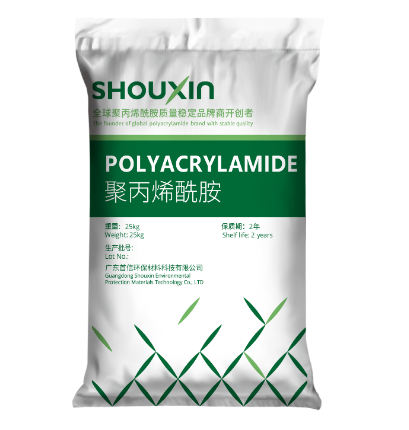
At Shouxin Advanced Polymer Sciences, we work alongside global industrial partners to supply rigorous, batch-stable polyacrylamide solutions tailored to complex wastewater requirements.
How is your facility currently handling high-salinity effluent and sludge dewatering challenges? Let’s connect and exchange technical insights in the comments or via direct message.
Shouxin Advanced Polymer Sciences Co., Ltd.
Global Polyacrylamide Solutions & Technical Support
E-mail: info@shouxinpam.com
PreviousWhy Shouxin Advanced Polymer Sciences is Considered a Top Polyacrylamide Supplier in China
NextTop 10 Polyacrylamide (PAM) Manufacturers in China (2026 Review)

Polyacrylamide (PAM) Manufacturing & Procurement Technical Guide


