-
E-mail
18242399111@139.com
-
Phone
13842345416
-
Address
Changchun Street East Section, Shuncheng District, Fushun City, Liaoning Province
Product Categories
Liaoning Bisun Petrochemical Technology Co., Ltd
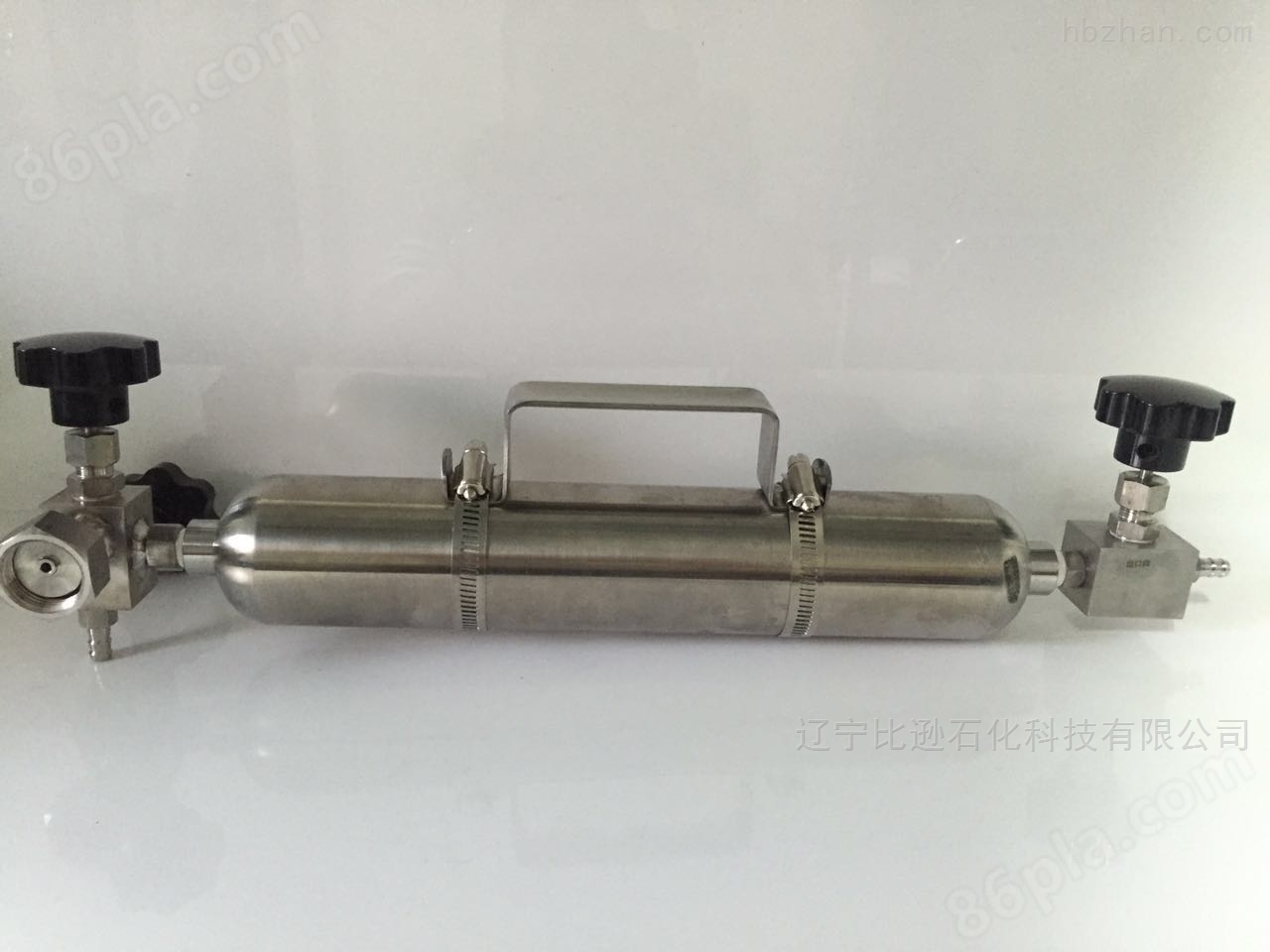
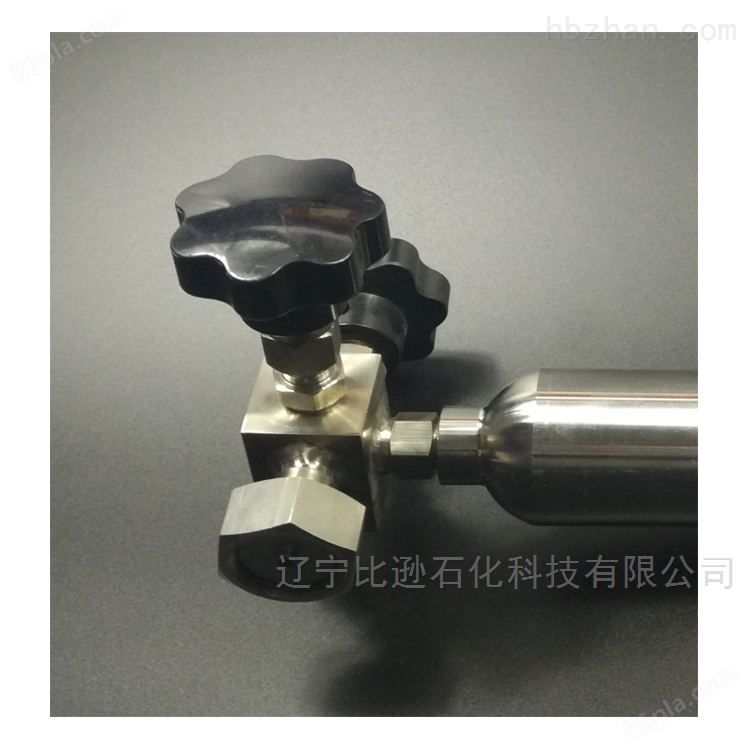
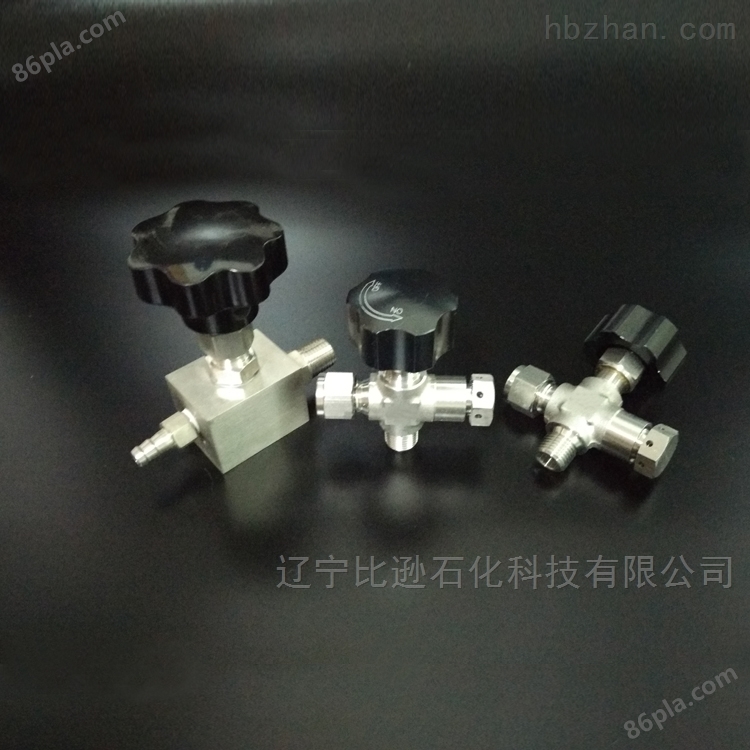
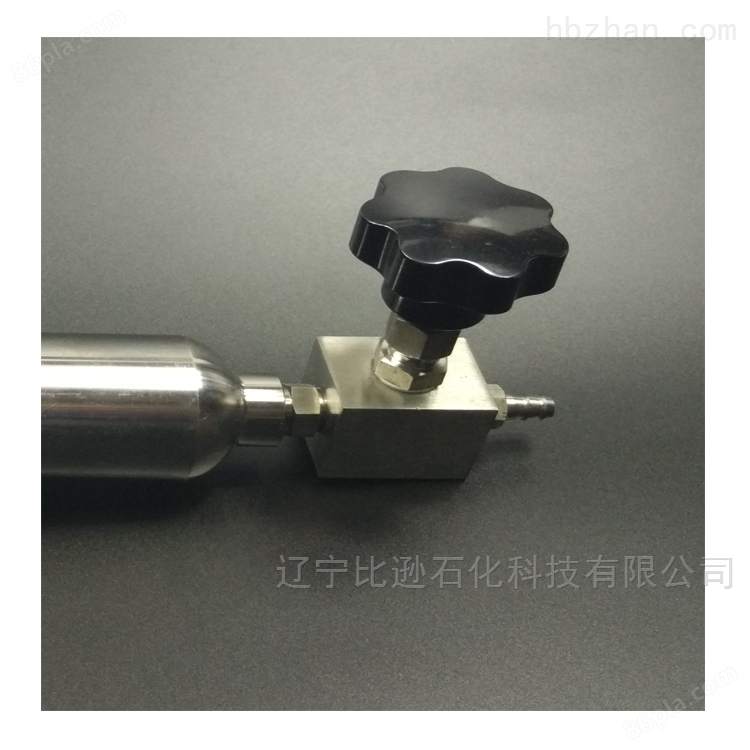
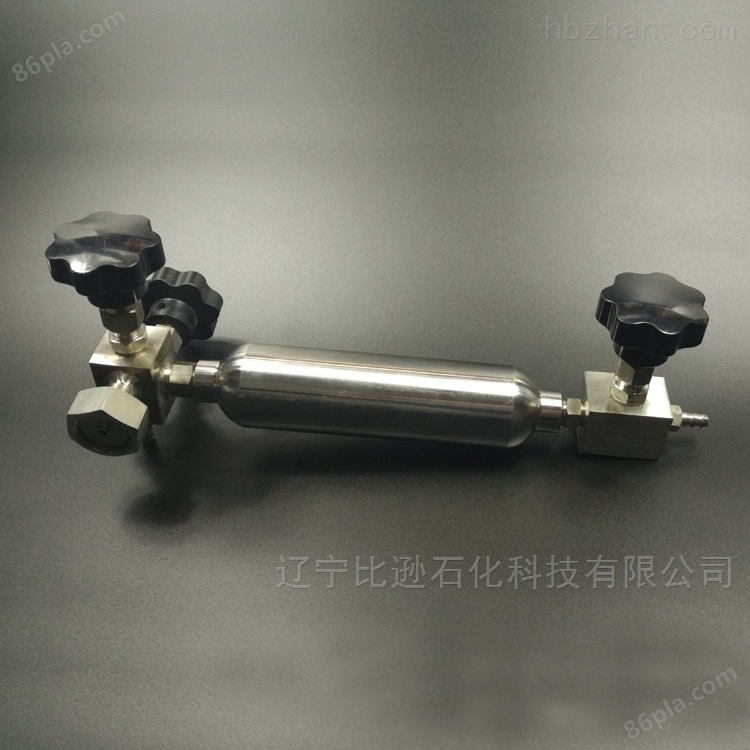
Quotation for sampling steel cylinders
NegotiableUpdate on 01/16
- Model
- Nature of the Manufacturer
- Producers
- Product Category
- Place of Origin
Overview
The gas sampling cylinder for liquid CL sampling complies with the GB/T6681 "General Rules for Sampling Gas Chemical Products" standard, including seamless stainless steel cylinders, liquid CL valves, and liquid CL two valve groups. Suitable for collecting liquid CL or liquid and gaseous media with temperature and pressure within the specified range, which are non corrosive to 316L.
Product Details
Gas sampling cylinderSteps to use:
1. Connect the pressure resistant glass container that has been evacuated with a two-way needle to the sampling port of the gas sampling bottle, and take a sample of half to two-thirds of the container volume. Pull out the needle and place the container on the bottle rack.
2. After the sample reaches room temperature (without frost on the surface of the container), wipe off the water that has condensed on the outer wall of the container, and visually judge the liquid sample. Then place the sample in a refrigerant to cool, and visually judge the liquid sample again.
3. When the sample is judged at room temperature, it is considered qualified if it is colorless, transparent, free of suspended solids, precipitates, and other foreign objects. After cooling, it can be determined whether there is free water present in the sample.
Precautions for use:
1. Sometimes the color of the Karl Fischer reagent may become lighter, which does not indicate failure. It can still be used by adjusting the initial equilibrium point or adding neutralizing solution.
2. Some samples may undergo side reactions with Karl Fischer reagent, resulting in inaccurate detection results. Indirect detection of moisture should be used.
3. Karl Fischer reagent should be stored in a dry and cool place, and after opening the lid, it should be stored in a dryer. Not edible, avoid contact with skin. Stay away from open flames.
4. When using the electric quantity method for testing, the electrolytic cell should be cleaned and thoroughly dried before adding electrolyte; Be careful to control the addition of water to the balance point to avoid excessive water. This ensures a faster attainment of the initial equilibrium point.
5. When using the electric quantity method for detection, it is sometimes difficult to reach the endpoint due to electrolyte failure; Poor sealing of the electrolytic cell; There is residual moisture on the walls of the electrolytic cell; The measurement electricity of the electrolytic cell was contaminated and not cleaned in time.
Gas sampling cylinderMain technical indicators:
1. Work pressure: 2Mpa
2. Working temperature: -40~80 ℃
3. Valve: Liquid CL needle valve, Liquid CL two valve group
4. Specification: 1000ml
5. Bottle body: 316L stainless steel seamless gas cylinder
Usage requirements:
1. Ensure the collection of representative samples that meet the requirements and ensure sampling safety. Sampling personnel should strictly follow safety operating procedures and possess corresponding experience and skills. Attention must be paid during sampling - sampling personnel should avoid direct skin contact with the medium, wear gloves and goggles, and avoid inhaling vapors!
When the sample is in a flowing state and sampling is taken from the pipeline, the pressure inside the pipeline should be higher than the vapor pressure to avoid two-phase situations.
During the cleaning and discharge of sampling steel cylinders, attention should be paid to safety when handling waste liquids and vapors. The discharge point should have safety facilities and comply with safety and environmental regulations.