-
E-mail
1635852136@qq.com
-
Phone
19933786790
-
Address
Feisifu Technology Park, No. 26 Road, Chengdong Development Zone, Huanghua City, Cangzhou City, Hebei Province
Product Categories
Feisifu Instrument (Hebei) Co., Ltd
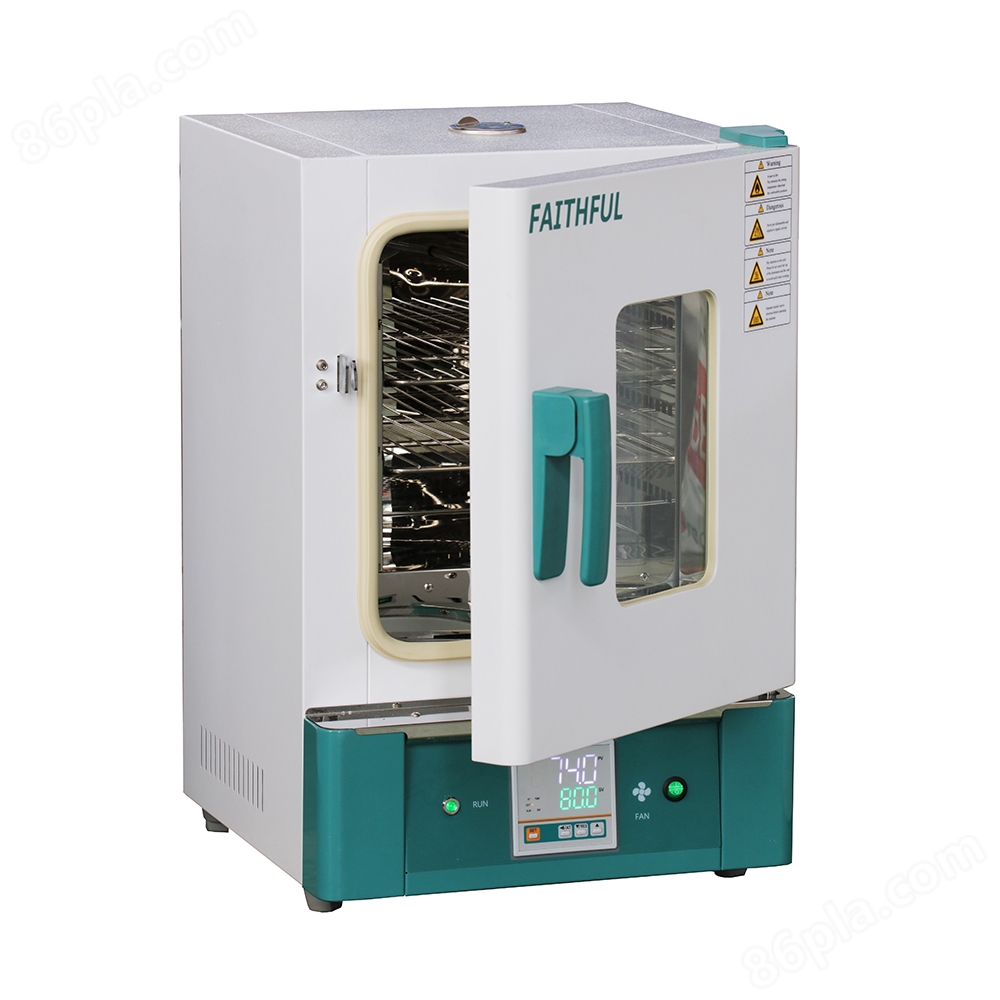
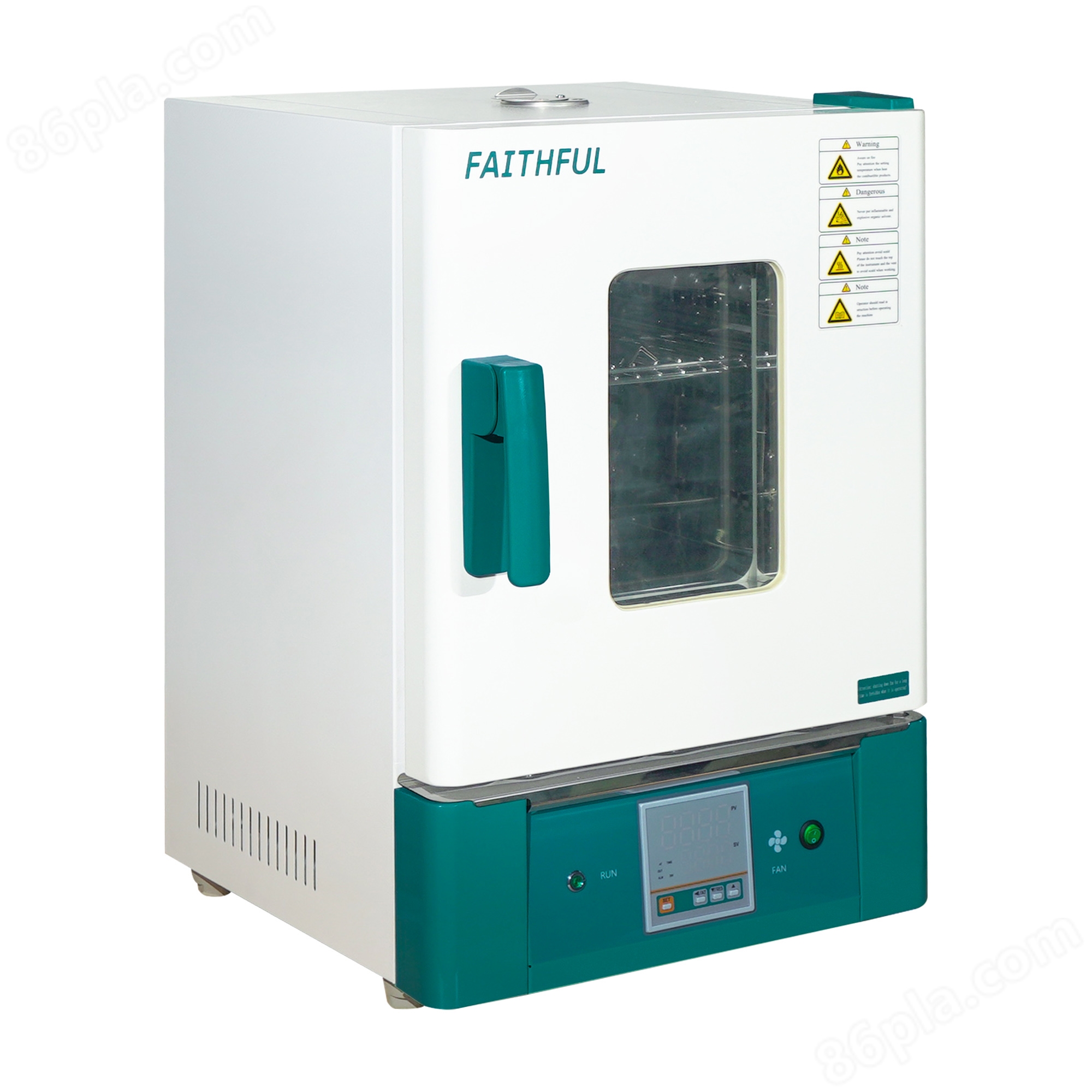
Price of semi-automatic dry cultivation dual-use box
NegotiableUpdate on 01/17
- Model
- Nature of the Manufacturer
- Producers
- Product Category
- Place of Origin
Overview
The key points for maintenance of the dual-purpose drying and training box are that the outer shell should be reliably grounded during use. When cooling, it is not advisable to make the temperature difference between the box and the ambient temperature greater than 25 degrees. It should be placed in a cool, dry, well ventilated place away from heat sources and direct sunlight. Place it steadily to prevent vibration and noise. To ensure effective heat dissipation of the condenser, the distance between the condenser and the wall should be greater than 100mm. There should be a 50mm gap on the side of the box, and at least 300mm of space at the top of the box. During transportation, repair, and maintenance, collision, shaking, and vibration should be avoided; The inclination is less than 45 degrees.
Product Details
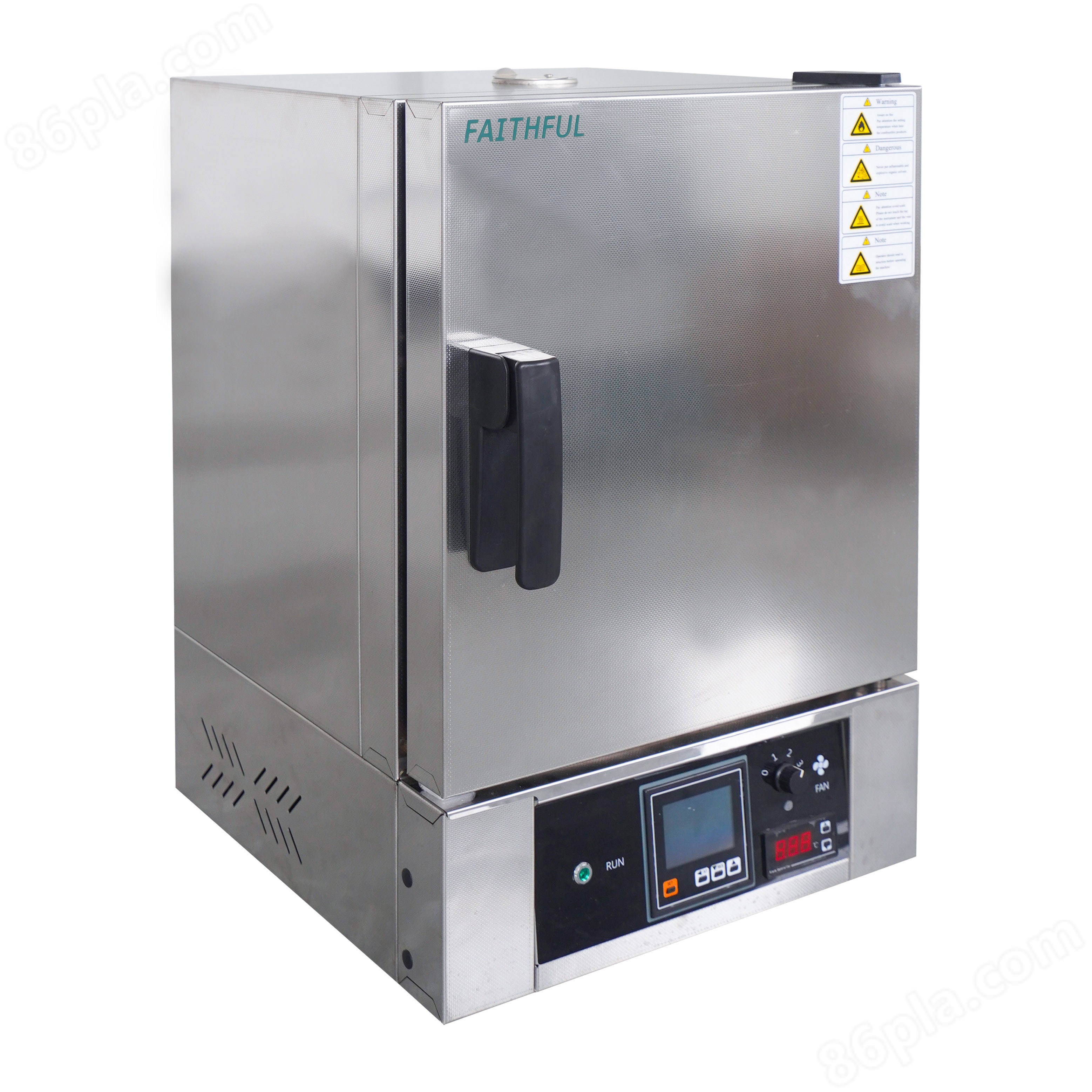
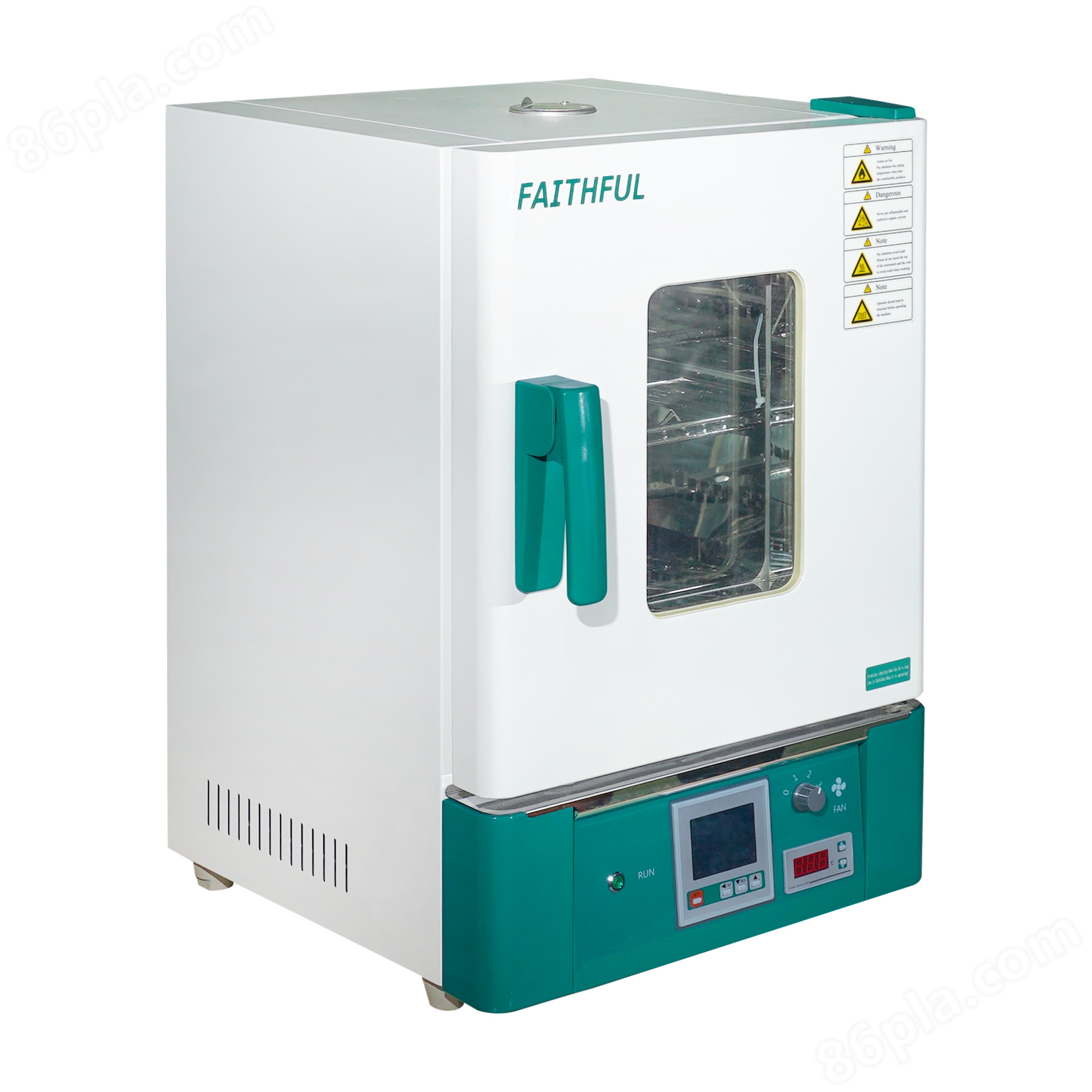
Product features of the dual-purpose drying and training box:
1. Large screen LCD display, multiple sets of data displayed on one screen, menu style operation interface, simple and easy to understand, convenient for operation.
2. Adopting the fast and slow speed control method of the fan has improved the temperature uniformity of the working room.
3. Adopting a self-developed air duct circulation system, the water vapor inside the box is automatically discharged, eliminating the hassle of manual adjustment.
4. The dry cultivation mode automatically switches to dry mode when the temperature exceeds 70 degrees, and the switching temperature can also be set according to user needs. Adopting a microcomputer temperature controller with over temperature deviation protection and digital display, with timing function, precise and reliable temperature control.
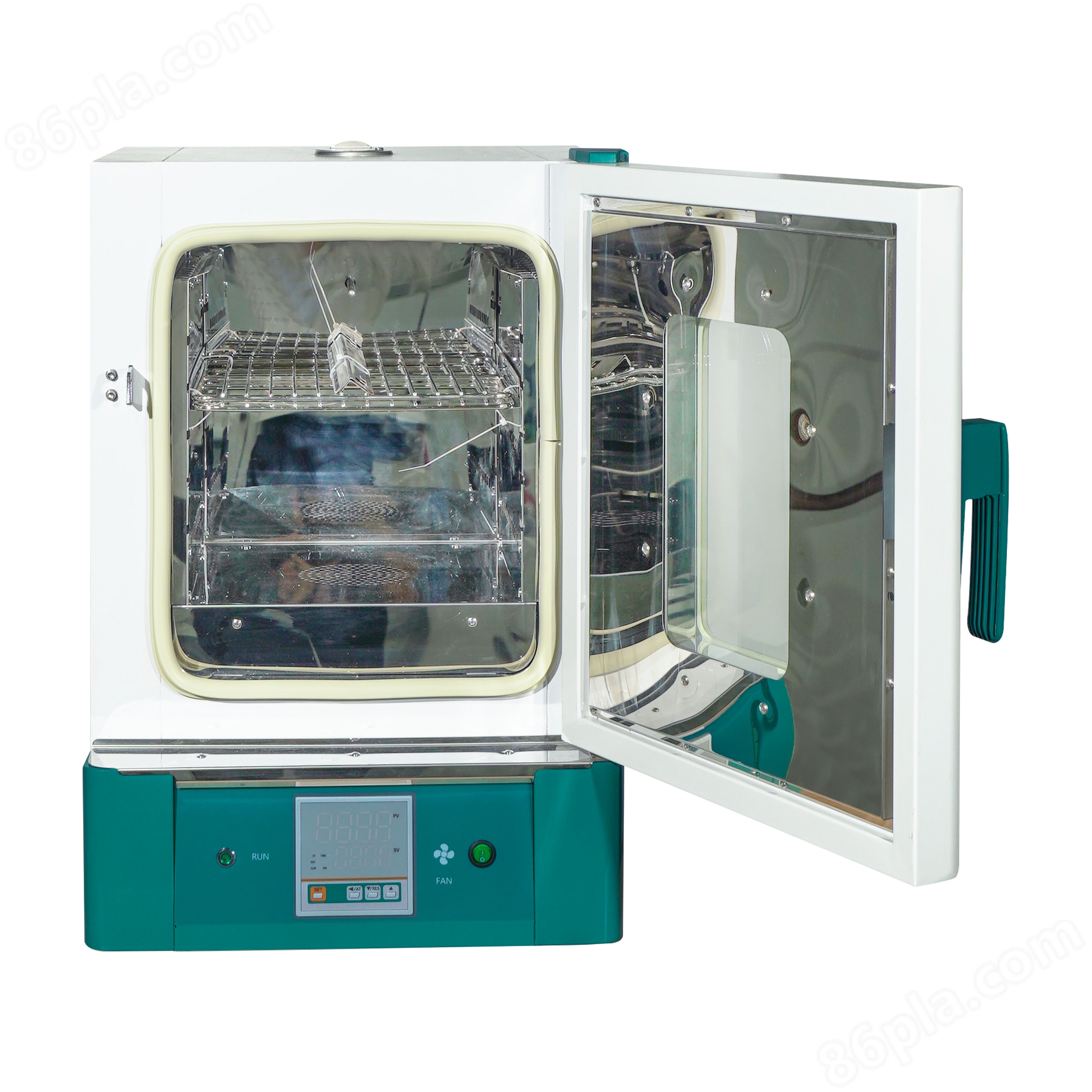
5. The inner liner is made of mirror stainless steel, and the shelf bracket can be freely installed and removed. The semi-circular four corner design makes cleaning more convenient.
6. The outer shell of the box is made of high-quality cold-rolled steel plate, and the surface is electrostatically sprayed with plastic.
7. Adopting a self-designed weak control strong conversion method, the impact of high current conversion on the system is avoided, which improves the reliability of the product. The double-layer door structure has good insulation performance and does not affect the temperature inside the box when observing the situation inside.
There are mainly two types of dry cultivation dual-use boxes: direct heating type and waterproof type: direct heating type uses electric heating wire for direct heating. The constant temperature chamber of the isolated water incubator is surrounded by a water tank. After being powered on, the water is heated, and the temperature inside the incubator is kept constant by the temperature of the hot water, so it is indirect heating. This type of incubator has a slower temperature rise or fall, making it more suitable for bacterial cultivation.
Dual purpose drying and training box body:
1. Box shell: The outer shell is made of thin iron plate (or thin steel plate). The box wall is mostly divided into three layers (including the outer shell), with two inner and outer layers formed between the three layers of iron plates. The outer layer is filled with insulation material (glass fiber or asbestos board), and the inner layer serves as a hot air convection layer.
2. Constant temperature chamber: The space surrounded by the inner iron plate is called a constant temperature chamber. There are 2-3 layers of mesh shelves indoors for placing items. The temperature sensing part of the temperature controller (i.e. the temperature sensing probe) extends into the constant temperature chamber from the left wall. There is an electric heating wire installed in the bottom interlayer.
3. Box doors: usually double type. The inner door is a glass door used to observe baked items while reducing heat loss. The outer door is used for thermal insulation.

4. Inlet and exhaust holes: There is an inlet hole at the bottom or side, through which dry air enters. There is a vent on the top of the box, and an adjustable exhaust window is installed at its outlet to allow steam to escape. Insert a thermometer into the exhaust window to indicate the temperature inside the box.
5. Side room: It is the control room. Generally located on the left side of the box, insulated from the constant temperature chamber. It is equipped with switches, indicator lights, temperature controllers, blowers and other electrical components. Opening the side chamber door allows for easy maintenance of circuits outside of the heating wire. Some electric heating boxes also have the control room located below the box.
Structure of the dual-purpose drying and training box:
(1) The inner layer of the waterproof incubator is made of copper skin and used for water storage, forming a water tank surrounding the constant temperature chamber. The advantage of this structure is that the temperature rise or fall is relatively slow, and the temperature inside the box is uniform.
(2) There are two types of electric heaters used in incubators:
1. The electric heater of the direct heating incubator is composed of multiple electric heating wires connected in series. The total power is relatively small (300-800 watts), and during heating, the temperature of the heating wire itself is not high (about 800C).
2. Immersion electric heating tubes are commonly used for electric heaters in water insulated incubators. This type of electric heating tube must be submerged in water before being powered on, otherwise it will burn out.
(3) In order to prevent the waterproof electric heating tube from burning out, some incubators are also equipped with a low water level alarm protection device. When the water level in the tank drops to the specified level, it can automatically cut off the power supply of the electric heating tube while emitting an audible and visual alarm.

Key points for maintenance of the dual-purpose drying and training box:
1. The casing should be reliably grounded.
2. When cooling, it is not advisable to make the temperature difference between the box and the ambient temperature greater than 25 degrees.
3. It should be placed in a cool, dry, well ventilated place away from heat sources and direct sunlight. Place it steadily to prevent vibration and noise.
4. To ensure effective heat dissipation of the condenser, the distance between the condenser and the wall should be greater than 100mm. There should be a 50mm gap on the side of the box, and at least 300mm of space at the top of the box.
5. During transportation, repair, and maintenance, collision, shaking, and vibration should be avoided; The inclination is less than 45 degrees.
6. The instrument suddenly doesn't work. Please check if the fuse tube (behind the box) is burnt out and check the power supply.
Similar Product Recommend