-
E-mail
hshuake@126.com
-
Phone
15350823119
-
Address
Jingxian Industrial Park, Hengshui City, Hebei Province
Product Categories
Hengshui Hongyue Rubber Products Co., Ltd
PTFE rubber support
NegotiableUpdate on 11/11
- Model
- Nature of the Manufacturer
- Producers
- Product Category
- Place of Origin
Overview
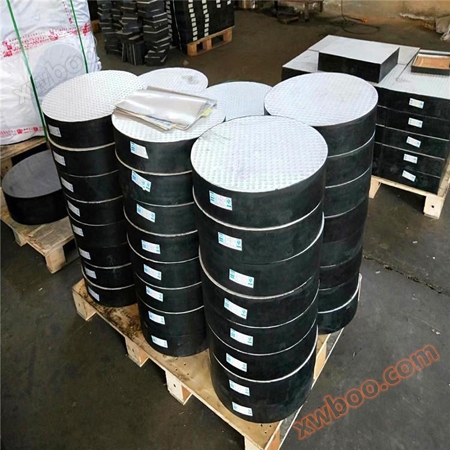
PTFE rubber support
Product Details

The performance of rubber bearings: sufficient vertical stiffness to withstand vertical loads, good elasticity to adapt to the rotation of beam ends; There is also significant shear deformation to meet the horizontal displacement of the upper structure.
Characteristics of rubber bearings: This product has been widely used in bridge construction, hydropower engineering, and building seismic facilities. Compared with the original steel bearings, it has the advantages of simple structure, convenient installation, steel saving, low price, easy maintenance, and easy replacement. Moreover, the low building height of this product is beneficial for bridge design and cost reduction; It has a good seismic isolation effect, which can reduce the impact of live loads and seismic forces on buildings.