-
E-mail
18098992689@ewell.com.cn
-
Phone
18098992689
-
Address
301-303 Longtangge, Nanshan Yungu Innovation Industrial Park, No. 1183 Liuxian Avenue, Taoyuan Street, Nanshan District, Shenzhen
Product Categories
Shenzhen Avidetai Biotechnology Co., Ltd
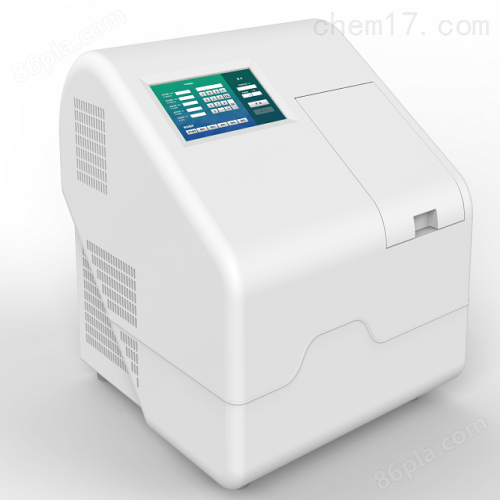
Manufacturer of fully automatic ultrasonic DNA disruptor
NegotiableUpdate on 01/16
- Model
- Nature of the Manufacturer
- Producers
- Product Category
- Place of Origin
Overview
The ultrasonic DNA disruptor has high fragmentation concentration and is distributed within a customized range, which can meet the needs of library construction for small or micro samples; Has high repeatability and stability; Flexibly handle 1-16 samples; Wide range of application sample sources, whole genome; FFPE samples are acceptable; Consumables have universality and can be sold separately; Consumables and equipment provide prototype testing
Product Details
Ultrasonic DNA disruptor
Technical principle:Focused ultrasound system suitable for high-throughput sequencingDNACutting, being sequenced by the industry*lightThe company recommends the interruption method.Bowl-FU (BoFUBowl shaped focused ultrasound) DNA/The fragment breaking method is currently used by genome research centers within the scope to generate concentrated, highly reproducible fragment distributions. By adjusting the cutting program, the system can generate150 – 5000 bpA specific length segment. The compact size and ease of use makeBoFUBecoming the ideal DNA disruption method for NGS users.BoFUIntegrated temperature control system, compared to other technology platforms, does not require an external cold water circulation system, saving space and cost.
Ultrasonic DAN disruptor
Features: Independent products, low-priced consumables
BoFUThe system uses ultrasound frequency( >100 KHz )Transmit sound energy with short wavelength sound waves and concentrate the energy onto the sample to be tested.BoFUUse different shear forces based on the size of the nucleic acid. Based on ultrasound technology and industrial design, the entire shearing process is temperature controlled, sample free, and quiet. Eliminating errors introduced by manual operations, improving repeatability, increasing efficiency, and providing standardized results.
BoFUtechnicality
Traditional probe or slot ultrasonic generators use low-frequency, divergent sound wave energy within the hearing range. Unfocused sound wave energy rapidly dissipates and is converted into thermal energy in the process (thermodynamic laws). The rapid dissipation of low-frequency sound energy leads to a decrease in efficiency, therefore, ultrasound treatment requires a large amount of sound energy to produce the expected effect. The heat generated by excess energy causes significant damage to the sample structure.
The probe ultrasonic generator is in direct contact with the sample, allowing more energy to be concentrated on the sample than the slot ultrasonic generator. However, direct contact with small volume samples can easily lead to cross contamination of the samples, as well as corrosion of the needle tip and reduced ultrasound efficiency. Slot ultrasound separates the sample from the energy source, but requires more energy input than probe ultrasound generators, causing greater thermal damage to the sample.
Similar Product Recommend