-
E-mail
hshuake@126.com
-
Phone
15350823119
-
Address
Jingxian Industrial Park, Hengshui City, Hebei Province
Product Categories
Hengshui Hongyue Rubber Products Co., Ltd
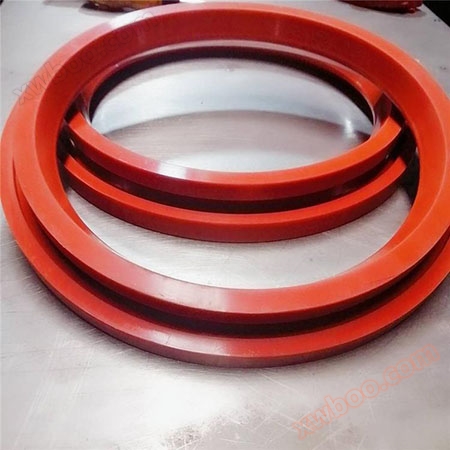
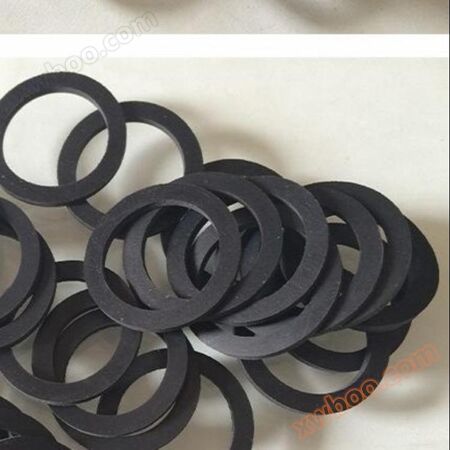
Dome valve sealing ring
NegotiableUpdate on 11/11
- Model
- Nature of the Manufacturer
- Producers
- Product Category
- Place of Origin
Overview
Dome valve sealing ring
Product Details

Characteristics of rubber products:
When rubber products are molded, they are subjected to high pressure compression. Due to the inherent cohesion of the elastic body, they often experience extremely unstable shrinkage during molding and demolding (the shrinkage rate of rubber varies depending on the type of rubber). After a period of time, they can gradually stabilize. So, at the beginning of designing a rubber product, regardless of the formula or mold, careful calculation and coordination are necessary. If not, it is easy to produce unstable product dimensions, resulting in low product quality.
2. Rubber belongs to the category of thermosetting elastomers, while plastics belong to the category of thermosetting elastomers. Due to the different types of sulfides in rubber, there is a considerable difference in the temperature range for molding and curing, and it can even be affected by climate change and indoor temperature and humidity. Therefore, the production conditions of rubber products need to be adjusted appropriately at any time. If not, there may be differences in product quality.
3. Rubber products are made from rubber raw materials that are mixed in an internal mixer as raw materials. During the rubber mixing process, the formula is designed according to the characteristics of the required rubber product, and the required product hardness is determined. The product is produced and molded using a rubber vulcanizing machine. After the product is formed, it undergoes trimming treatment to make the surface of the product smooth and free of burrs.
4. Rubber product aging testing belongs to the category of aging testing. Rubber aging refers to the phenomenon where the performance structure of rubber and products changes due to the combined effects of internal and external factors during processing, storage, and use, resulting in the loss of their value. Manifested as cracking, sticking, hardening, softening, powdering, discoloration, mold growth, etc.