-
E-mail
1952698768@qq.com
-
Phone
15932643382
-
Address
Guang'an Development Zone, Dacheng County, Langfang, Hebei Province
Product Categories
Dacheng County Guang'an Chemical Sealing Co., Ltd

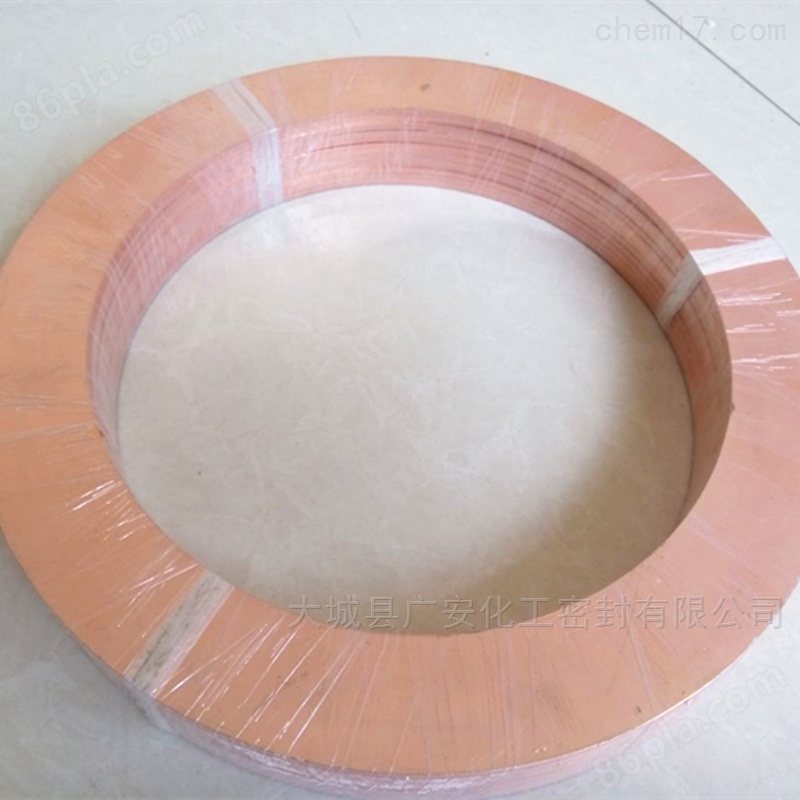
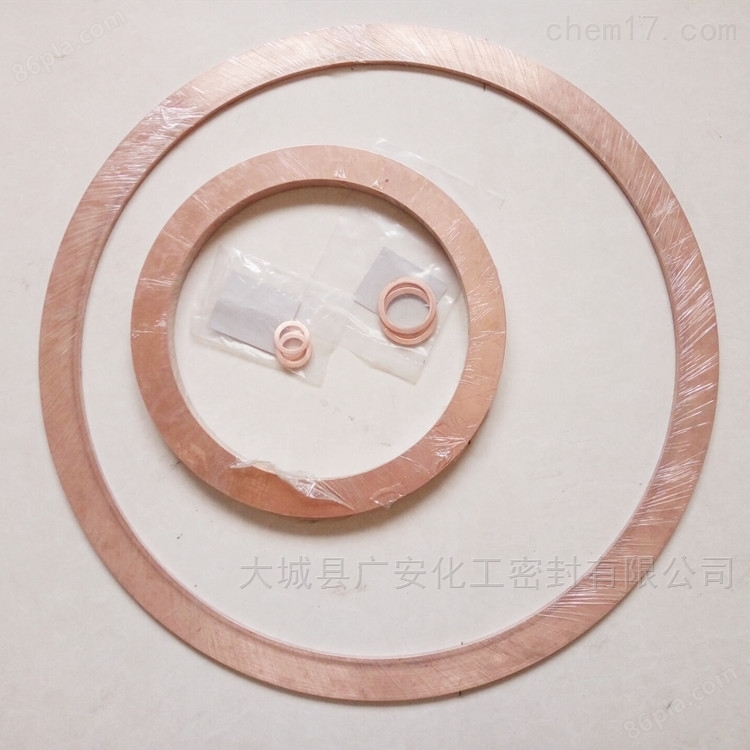
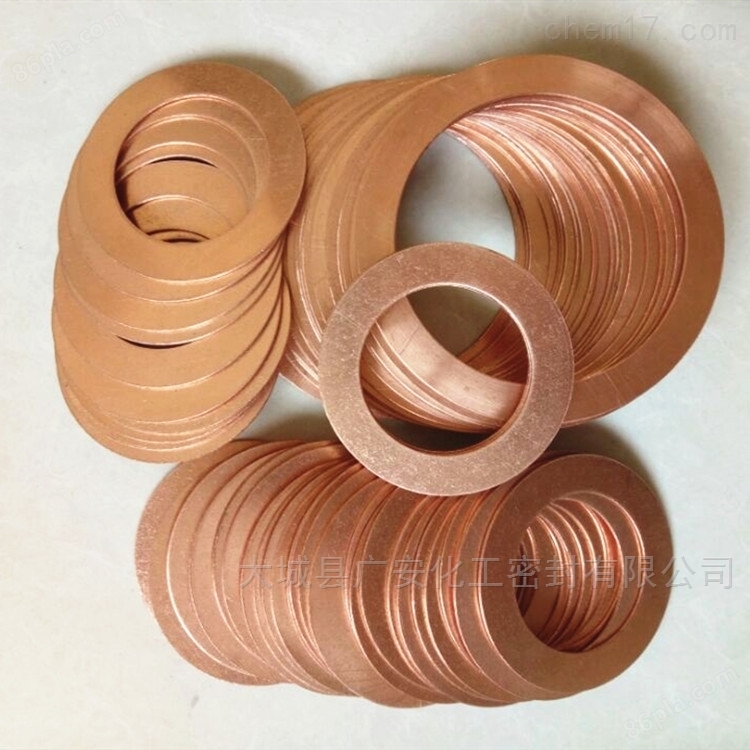
Copper gasket manufacturer
NegotiableUpdate on 01/17
- Model
- Nature of the Manufacturer
- Producers
- Product Category
- Place of Origin
Overview
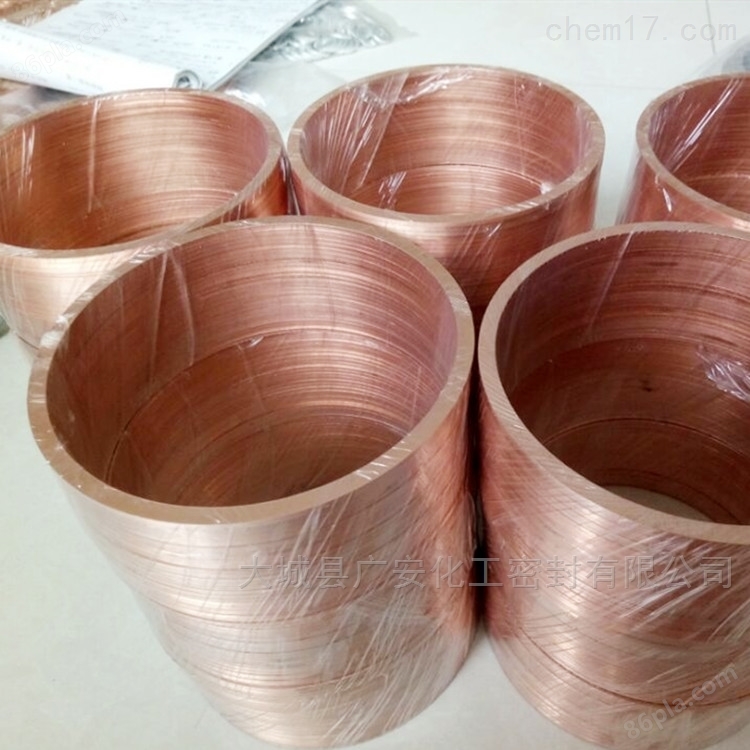
High temperature resistant pure copper annealed purple copper gasket. Purple copper is a material with strong ductility and conductivity, so it is often used in power plants and other enterprises. Purple copper is named after its purple red color. It is not necessarily pure copper, and sometimes a small amount of deoxidizing elements or elements are added to improve the material and properties, so it is also classified as a copper alloy.
Product Details
High temperature resistant pure copper annealed purple copper gasket
Purple copper is named after its purple red color. It is not necessarily pure copper, and sometimes a small amount of deoxidizing elements or elements are added to improve the material and properties, so it is also classified as a copper alloy. Chinese purple copper processing materials can be divided into four categories according to their composition: ordinary purple copper (T1, T2, T3, T4), oxygen free copper (TU1, TU2 and high-purity, vacuum oxygen free copper), deoxidized copper (TUP, TUMn), and special copper with a small amount of alloying elements added (arsenic copper, tellurium copper, silver copper). Copper has a conductivity and thermal conductivity second only to silver, and is widely used in the production of conductive and heat-conducting equipment. Copper has good properties in the atmosphere, seawater, certain non oxidizing substances, and various organic compounds, and is used in industry. In addition, copper has good weldability and can be processed into various semi-finished and finished products through cold and hot plastic processing. In the 1970s, the production of purple copper exceeded the total production of various copper alloys.
The trace impurities in copper have a serious impact on its conductivity and thermal conductivity. Among them, titanium, phosphorus, iron, silicon, etc. significantly reduce conductivity, while cadmium, zinc, etc. have little effect. The solid solubility of oxygen, sulfur, selenium, tellurium, etc. in copper is very low, and they can form brittle compounds with copper, which has little effect on conductivity but can reduce processing plasticity. When ordinary copper is heated in a reducing atmosphere containing hydrogen or carbon monoxide, hydrogen or carbon monoxide easily reacts with cuprous oxide (Cu2O) at grain boundaries, producing high-pressure water vapor or carbon dioxide gas, which can cause copper to fracture. This phenomenon is often referred to as the "hydrogen disease" of copper. Oxygen is harmful to the weldability of copper. Bismuth or lead forms low melting point eutectic with copper, causing copper to become thermally brittle; When brittle bismuth is distributed in a thin film at grain boundaries, it causes copper to become cold brittle. Copper gaskets have excellent conductivity, thermal conductivity, and ductility. Mainly used for the production of electrical equipment such as generators, busbars, cables, switchgear, transformers, as well as thermal conductivity equipment such as flat plate collectors for heat exchangers, pipelines, and solar heating devices. The commonly used copper alloys are divided into three categories: brass, bronze, and white copper.
High temperature resistant pure copper annealed purple copper gasket