-
E-mail
314530281@qq.com
-
Phone
18217775671
-
Address
No. 121, Building 2, No. 655 Gaoji Road, Sijing Town, Songjiang District, Shanghai
Product Categories
Shanghai Shirun Industrial Co., Ltd
Belt scales use electronic scales to calibrate weight prices
NegotiableUpdate on 01/17
- Model
- Nature of the Manufacturer
- Producers
- Product Category
- Place of Origin
Overview
Electronic scale calibration weights/stainless steel chain code belt scales are used. 1. We specialize in selling E2, F1, F2, and M1 grade weights (arranged in descending order of grade), with specific specifications including milligrams (mg), grams (g), and kilograms (kg); 2. Depending on the material, there are JF-1 non-magnetic stainless steel, non-magnetic stainless steel, stainless steel, chrome plated (electroplated) steel, cast iron, etc; 3. We can customize weights according to customer requirements, and the delivery time for customized weights depends on the content and quantity, usually 5-15 days
Product Details
Electronic scale calibration weight/stainless steel chain code belt scale usage
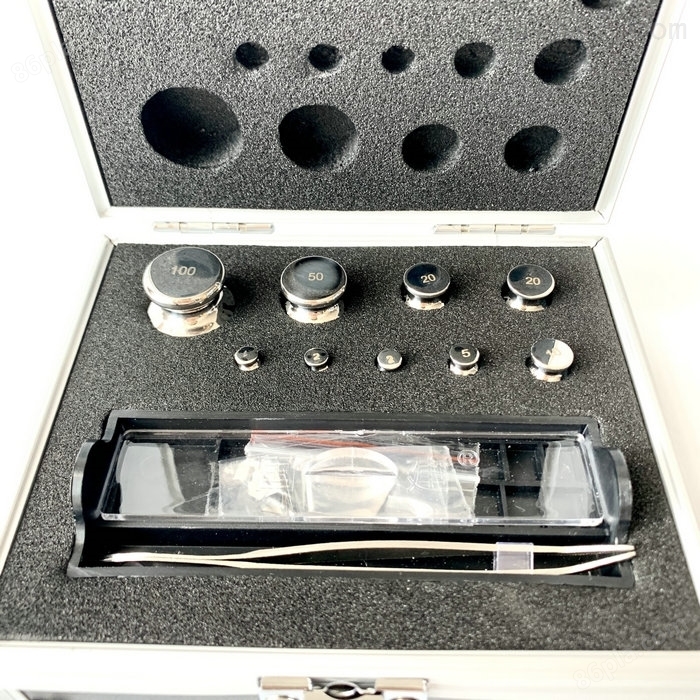
Specializing in the production of kilogram, gram, and milligram weights for F1, F2, M1, M2, and other products
Selected raw materials, complete specifications, and equipped with refined weight boxes
We can also provide scattered weights according to user needs
1、 Product Name (Commonly Used Weights)
1. Stainless steel cylindrical weights (circular weights, standard weights)
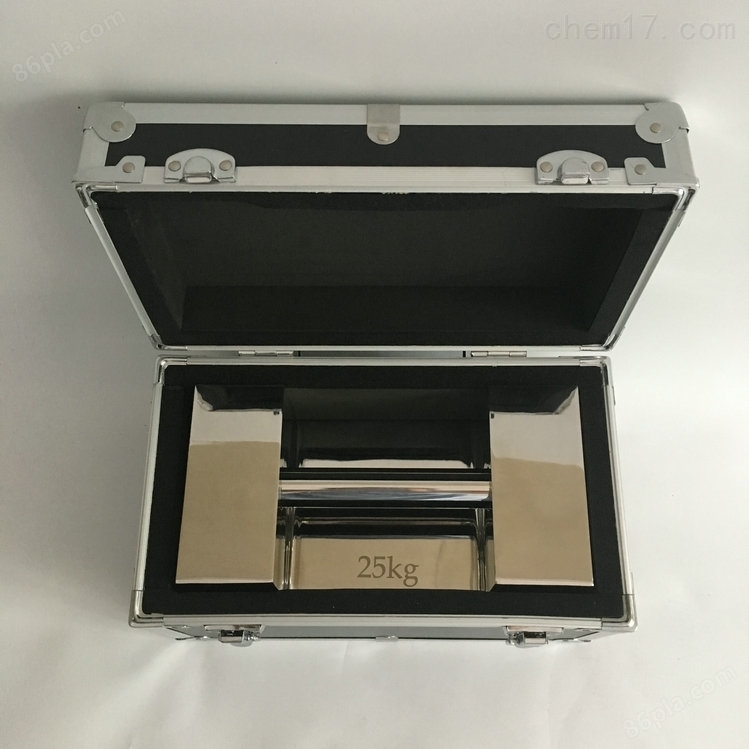
2. Stainless steel lock type weights (portable weights, handle weights, lock shaped weights)
3. Stainless steel added weight (disc weight, open weight, circular weight, balance weight)
4. Stainless steel hook weight (single hook weight, double hook weight, hanging hook weight, hanging ring weight)
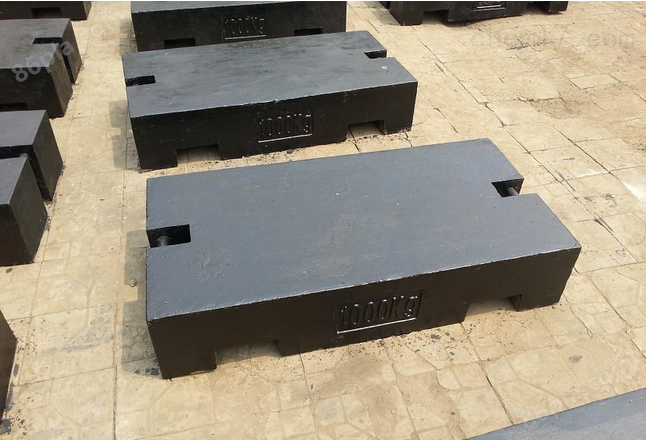
Specification: 500 g、1kg、2kg、5kg、10kg、20kg、25kg、50kg、100kg、200kg、500kg、1000kg 2000kg 5000kg
Level: M1, F2, F1
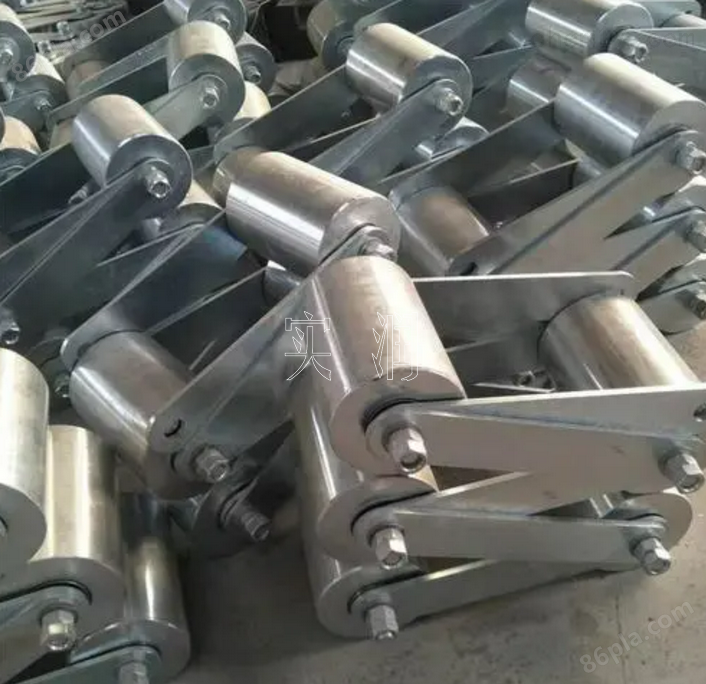
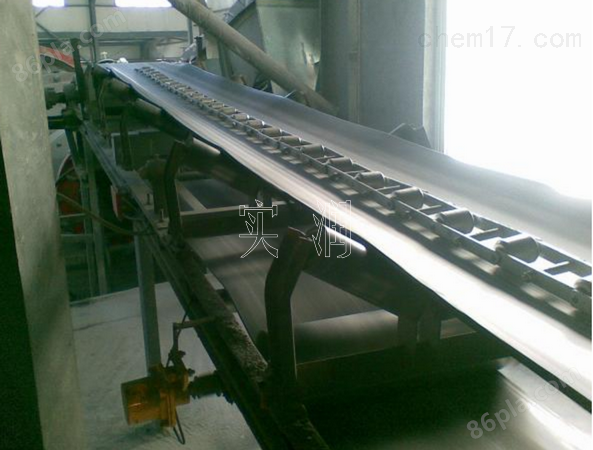
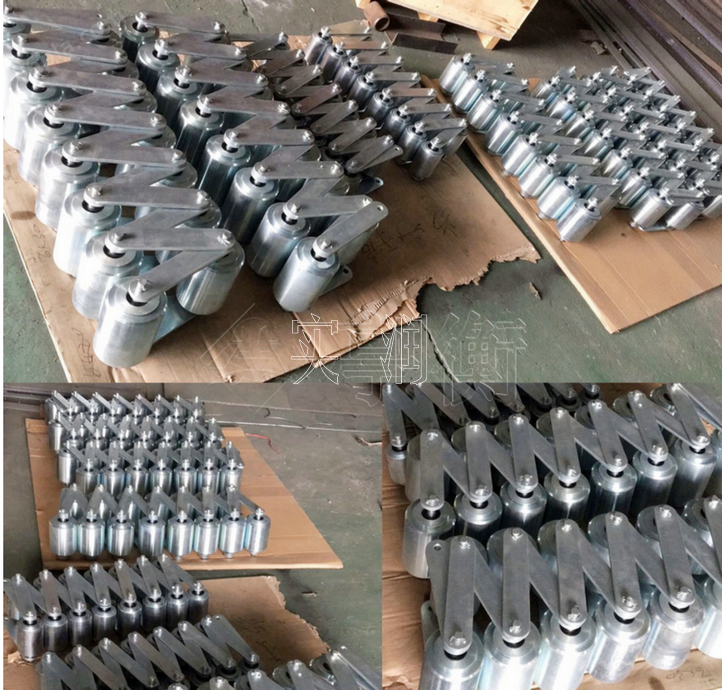
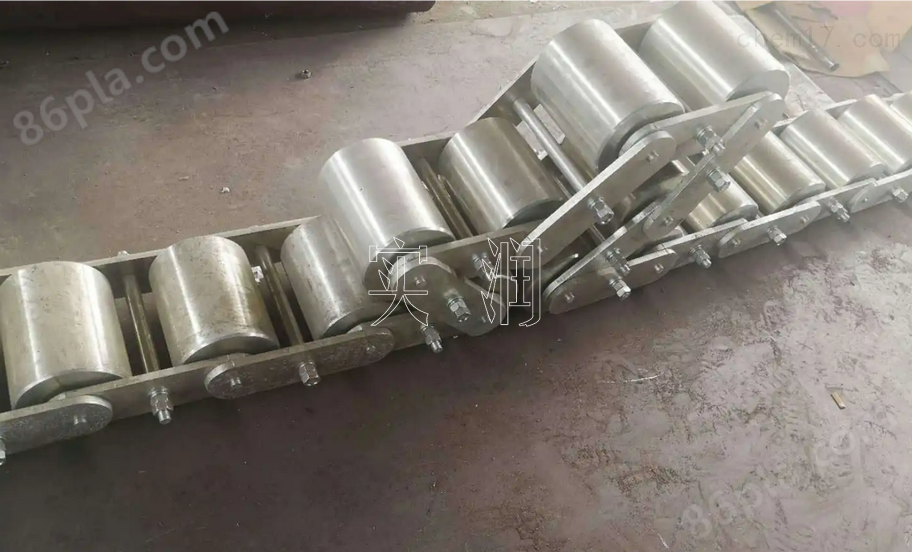
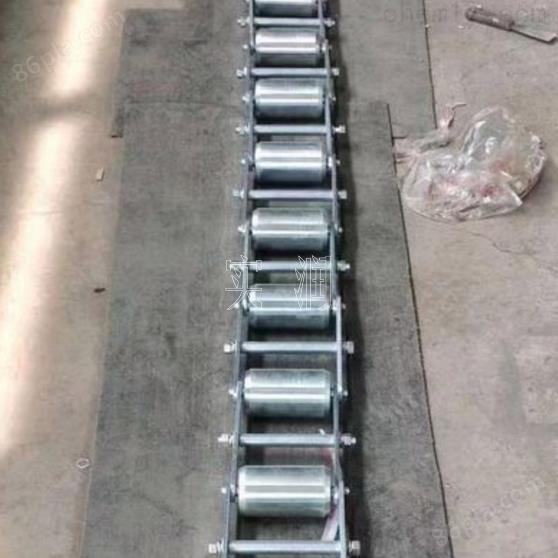
1Electronic scale calibration weight/stainless steel chain code belt scale usageTechnical description: The cyclic chain code device of Xuzhou Lipus Company is easy to operate and has a high degree of automation. It can run automatically or manually. The detection data can be directly entered into the instrument and computer without intermediate links, and the calibration data can be obtained directly. It can be connected to the belt scale to automatically modify the parameters of the belt scale, which is extremely convenient.
2. The working principle of cyclic chain code: The chain code ring is pressed onto the belt by the movement of the electric push rod, and the chain code ring runs smoothly with the belt. When the chain code circle rotates one circle, the weight acting on the belt scale is the standard weight of the chain code circle. When the chain code circle continues to rotate N circles, the instrument transmits the signal from the speed sensor to obtain the weight acting on the belt scale=number of circles x standard weight. The display value of the belt scale instrument should be adjusted based on the display value of the cyclic chain code instrument, in order to achieve dynamic nuclear testing of the belt scale.
3. Main technical parameters: A. Speed sensor · Type: 60-12, non-contact · Shell: all-weather waterproof type B. Control instrument · Built in transmitter, belt scale digital module and regulator, with chips imported from the United States; ·Circuit design: Circuit design based on microcomputers; CPU is a popular chip in the world today, which can be used for electronic writing and wiping. ·A/D converter with 16 bits and high accuracy. ·The sampling frequency can reach 10 times.
·Peripheral:
(1) Add ferrite anti-interference circuit for stronger resistance.
(2) Added watchdog circuit, program delays and automatically resets without crashing.
(3) R-2000 encryption. ·The display screen is a four line Chinese display with long lifespan, high clarity, and rich content.
·Optional communication interfaces: RS232/485, 4-20mA, various switch values (optional) · Expansion slots: 3 sets, which can lay the foundation for future expansion functions.
·Capable of outputting 4-20mA signals that can meet instantaneous and cumulative flow rates, and can reliably communicate with DCS systems. Input:
·Weight: Standard weight signal from the chain code circle;
·Speed: Pulse signal from digital speed sensor;
·The device is equipped with a control box, which can operate automatically or manually.
·This device is convenient for users to maintain, reduces workload, and lowers costs.
·The entire device can be connected to the DCS system in the factory, and can be operated remotely or manually on site.
·Chain code lubrication only requires adding No. 5 engine oil lubrication at the hinge joint to ensure the flexible rotation of each chain link.
·The entire device is well-designed, easy to operate, and easy to maintain. According to the Measurement and Verification Regulations of the People's Republic of China JJG650-90, chain codes can be used as a simulated load standard within the agreed time. In order to ensure verification accuracy and reliability, two chain codes are generally selected.
4. Equipment features
·Simulating belt tension is more accurate and closer to physical verification.
·The device uses steel as a support, with high overall stiffness and good stability. ·The device is equipped with a control box, instruments, and detection sensors, which can operate automatically or manually.
·This device is used in conjunction with an electronic belt scale, which not only meets the coal measurement requirements of users, but also facilitates user maintenance, reduces workload, and lowers costs.
·Chain code lubrication only requires adding No. 5 engine oil lubrication at the hinge joint to ensure the flexible rotation of each chain link.
·The entire device is well-designed, easy to operate, and easy to maintain.
How to quickly and correctly select weight grades
The grade of weights is an important factor in purchasing weights. The higher the grade, the more expensive the price will be, and the higher the precision of weights, the cheaper the price. However, the lower the grade, the lower the precision of weights. When purchasing weights, the grade must be determined.
as follows
1. Choose E2 grade non-magnetic stainless steel weights for 100000 parts per square meter
2. Choose E2 grade or F1 grade non-magnetic stainless steel weights at a rate of 10000 square meters
3. Choose F1 grade non-magnetic stainless steel weights on a per thousand basis
4. Choose F2 grade stainless steel weights at a percentage level
5. Choose M1 grade stainless steel weights or M1 grade cast iron weights for 10% flatness
6.30kg-200T electronic scale selects M1 grade cast iron weights
Similar Product Recommend