- Phone
-
Address
No. 103, Mibei Development Zone, Xiong County, Hebei Province
Product Categories
Xiongxian Plastic Pipe Industry Co., Ltd
Application of PE pipe and PVC-U pipe
NegotiableUpdate on 06/27
- Model
- Nature of the Manufacturer
- Producers
- Product Category
- Place of Origin
Overview
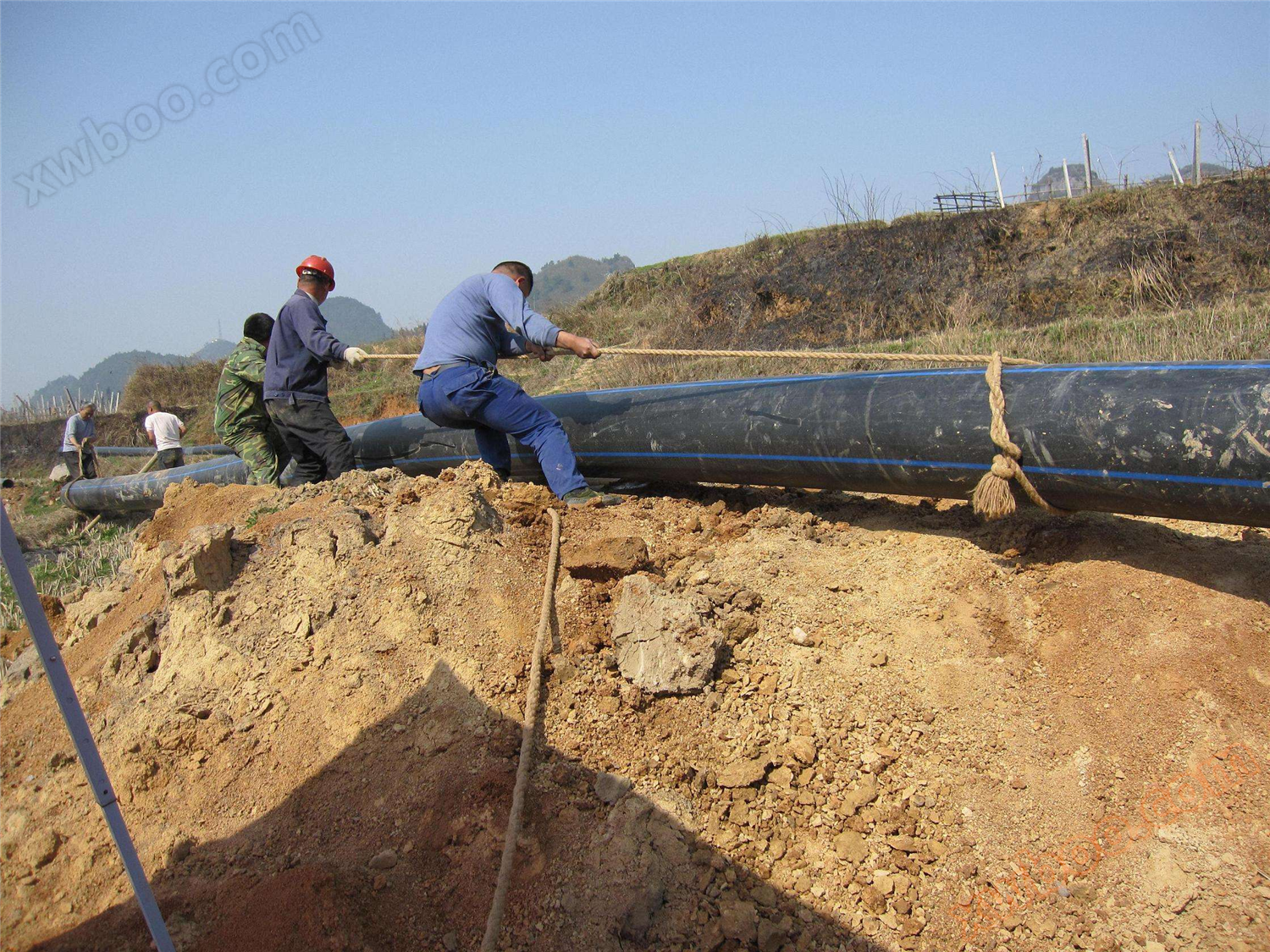
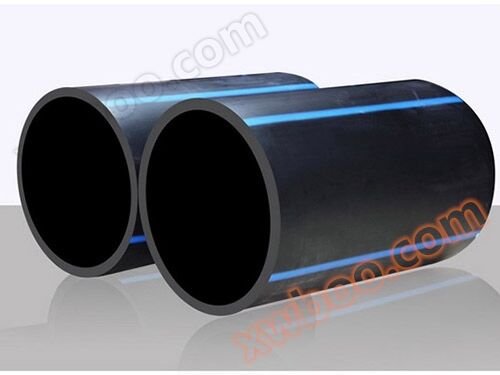
Details of PE water supply pipe welding introduction, PE pipe welding construction is convenient, PE pipe is connected to hot melt machine PE pipe, also known as polyethylene pipe, which is widely used due to its advantages of corrosion resistance, good seismic performance, toughness, elasticity, easy installation, and economical transportation cost
Product Details
details
Introduction to PE water supply pipe welding, PE pipe welding construction is convenient, PE pipe docking hot melt machine

PE pipes, also known as polyethylene pipes, are widely used due to their advantages of corrosion resistance, good seismic performance, high toughness, elasticity, easy installation, and economical transportation costs. The research and application of PE pipes in China started relatively late, and only began to be promoted and applied around 1990. With the development and progress of various aspects such as polyethylene material technology and process level in recent years, the country has increased its attention to the production process standards of pipes, gradually establishing and improving production standards and specifications. Therefore, PE pipes have been widely used in many industries. Currently, about 300000 tons of PE pipes are produced and applied annually, and this data is showing explosive growth. The safe and stable operation of PE pipelines has become a focus of attention in recent years, partly due to material reasons and partly due to welding quality issues. Therefore, this article discusses the quality control measures for PE pipeline welding based on engineering examples.
2 Quality control methods for hot melt welding
The so-called hot melt welding refers to the use of mechanical equipment such as hot melt welding machines to heat the surfaces of two welded parts until a certain melting temperature is reached, so that the two are mixed into one. Hot melt welding can be divided into hot melt butt welding, hot melt socket welding, and hot melt saddle welding according to its welding method. Among them, hot melt butt welding is a common connection method and the most widely used connection method for PE pipelines. The welding equipment is relatively simple, the connection cost is relatively economical, the welding joints are firm and reliable, welding joints that can exceed the strength of the base material can be obtained, and the welding sealing is good. Therefore, the hot melt butt welding method is chosen for this project.
2.1 Hot melt butt welding steps
Hot melt butt welding requires the use of a hot melt butt welding machine to heat the end face of the PE pipeline, causing the surface to quickly melt and adhere. Under certain pressure, the two are melted and cooled to achieve fusion. Polyethylene pipes of different sizes can be welded using this method, preferably with a nominal diameter of not less than 90mm. Hot melt butt welding has a certain degree of economy, and can even produce higher strength than the pipeline itself when the joint is under tension or compression. The operation steps of hot melt butt welding are shown in Figure 1.
T1
Specifically, it means:
1) Clamping pipe components can be achieved by leveling the pipes with brackets, adjusting and controlling their concentricity, checking and correcting the roundness of the pipes with fixtures, and reserving a certain welding distance in advance;
2) Milling the welding surface to a certain thickness, ensuring that the welding end face is smooth and parallel, ensuring that the gap between the mating end faces is not greater than 0.3mm, and the misalignment is not greater than 10% of the wall thickness at the welding point. If re clamping, re milling is required;
3) Measure and check the drag pressure, as long as welding is carried out, measurement and recording work must be carried out;
4) Heating is an important step, first place the heating plate and adjust the welding pressure (P1)=drag pressure (P drag)+welding specified pressure (P2). If the height of the circumferential edge bulge at the welding point around the heating plate exceeds a certain value, reduce the pressure to P drag;
5) Switch docking, extract the heating plate within a certain period of time, quickly adhere to the welding surface, steadily increase the pressure to P1, and avoid high-pressure collisions;
6) Disassemble the pipeline components, cool them for a period of time, and wait for the pressure to drop to zero before disassembling the pipeline components.
2.2 Control of Hot Melt Butt Welding Process
The process control of hot melt welding is carried out for the hot melt welding steps, rather than based on the final weld joint quality for qualification judgment. Among them, several influencing factors are very important, including temperature, time, and pressure. Due to the susceptibility of polyethylene pipeline hot melt welding to external factors, and the lack of uniform values for hot melt welding parameters. There is a relatively complete set of operating procedures and parameter setting calculation methods for the use of hot melt welding in foreign countries. In China, the parameter setting for polyethylene pipeline hot melt welding is provided by manufacturers, so there are significant differences in the relevant parameters provided by each manufacturer. In addition, in real construction, even neglecting any factor such as temperature, time, and pressure can lead to serious quality problems. The following hot melt butt welding process must be strictly controlled.
(1) Selection of hot melt welding machine. Select a hot melt welding machine that can perform standard and standardized welding based on pre-set data parameter curves, and ensure that the interface cross-section of the PE pipeline welding is smooth and clean, the preheating temperature meets relevant requirements, and the pressure of the pipe mouth cross-section docking is balanced.
(2) Welding site control. The welding construction site should be determined according to the actual situation. If encountering wind and rain weather, a mobile work tent should be set up in a timely manner to prevent the welding joint from being affected by dust and rain, and to ensure preheating temperature. If welding is carried out in the wild, a template needs to be laid under the welding machine to ensure that the welding machine is placed horizontally, and the protrusions under the welding machine should also be placed to affect the welding process; During the welding process of PE pipes, the pipes around the welding machine should be mounted on rolling guide brackets to prevent friction between the pipes and ground debris, ensuring that the surface of the pipes is not damaged.
(3) Equipped with UPS stabilized power supply. Due to the fact that most PE pipeline welding work is carried out in the field, the power and output voltage of the generator may be unstable, resulting in welding quality not meeting the requirements. Therefore, a UPS stabilized power supply is required.
(4) Ensure that the pipe mouth planer is clean and free of debris, and the working surface of the welding machine heating plate is clean and tidy; The heating plate should be placed in a clean insulation cylinder during non working hours; Welding personnel should master the manual centering and hydraulic pushing methods of PE pipes, be familiar with the use of concentric fixtures, and smooth the pushing force, which is helpful in avoiding weld misalignment.
2.3 Key control points for welding process inspection
1) Check the credentials of on-site welding construction operators to ensure that they have obtained relevant professional certificates and are welding within the permitted scope of work.
2) Inspect the welding construction environment to ensure it meets the operational requirements, and take certain preventive measures to avoid adverse weather conditions affecting welding quality.
3) Inspect the surface cleaning work of welding to ensure that it is clean, neat, and free of debris, and that the milling end face and oxide layer scraping meet the requirements.
4) Is the entire welding process inspected according to the construction sequence.
5) Check the input welding data parameters to ensure accuracy. The key to hot melt butt welding lies in the drag pressure, welding pressure, heat absorption time, and cooling time. Check these parameters.
2.4 Welding Quality Inspection
The construction of polyethylene pipelines is quite complex, with many influencing factors. At present, non-destructive testing technology for the quality of PE pipeline welding joints is not yet mature, so it is necessary to strengthen the inspection of welding quality.
Check the welding data of the welding interface welding machine and record the data. The inspectors need to extract the number of rolled edges removed from the welded joints, and inspect the quality of the joints according to the above inspection points. The spot check data should be greater than 10%, and each welder's spot check data should be greater than 5. Each project needs to undergo interface destructive testing. Due to the use of fully automatic hot melt docking, 5% of the welds need to be extracted, and each welder should have more than 3 welds. The destructive testing can cut the welds into four or more strips to check the fusion inside the pipeline. If there is not complete fusion, it can be considered as unqualified. Of course, it can also be checked through tensile testing according to relevant standards and specifications [8]. If the interface quality does not meet the technical requirements, double the number of spot checks and inspections shall be conducted on the welder's interfaces. If any further non conformities are found, all interfaces welded by the welder shall be reworked until they pass the inspection.
2 Quality control methods for hot melt welding
The so-called hot melt welding refers to the use of mechanical equipment such as hot melt welding machines to heat the surfaces of two welded parts until a certain melting temperature is reached, so that the two are mixed into one. Hot melt welding can be divided into hot melt butt welding, hot melt socket welding, and hot melt saddle welding according to its welding method. Among them, hot melt butt welding is a common connection method and the most widely used connection method for PE pipelines. The welding equipment is relatively simple, the connection cost is relatively economical, the welding joints are firm and reliable, welding joints that can exceed the strength of the base material can be obtained, and the welding sealing is good. Therefore, the hot melt butt welding method is chosen for this project.
2.1 Hot melt butt welding steps
Hot melt butt welding requires the use of a hot melt butt welding machine to heat the end face of the PE pipeline, causing the surface to quickly melt and adhere. Under certain pressure, the two are melted and cooled to achieve fusion. Polyethylene pipes of different sizes can be welded using this method, preferably with a nominal diameter of not less than 90mm. Hot melt butt welding has a certain degree of economy, and can even produce higher strength than the pipeline itself when the joint is under tension or compression. The operation steps of hot melt butt welding are shown in Figure 1.
T1
Specifically, it means:
1) Clamping pipe components can be achieved by leveling the pipes with brackets, adjusting and controlling their concentricity, checking and correcting the roundness of the pipes with fixtures, and reserving a certain welding distance in advance;
2) Milling the welding surface to a certain thickness, ensuring that the welding end face is smooth and parallel, ensuring that the gap between the mating end faces is not greater than 0.3mm, and the misalignment is not greater than 10% of the wall thickness at the welding point. If re clamping, re milling is required;
3) Measure and check the drag pressure, as long as welding is carried out, measurement and recording work must be carried out;
4) Heating is an important step, first place the heating plate and adjust the welding pressure (P1)=drag pressure (P drag)+welding specified pressure (P2). If the height of the circumferential edge bulge at the welding point around the heating plate exceeds a certain value, reduce the pressure to P drag;
5) Switch docking, extract the heating plate within a certain period of time, quickly adhere to the welding surface, steadily increase the pressure to P1, and avoid high-pressure collisions;
6) Disassemble the pipeline components, cool them for a period of time, and wait for the pressure to drop to zero before disassembling the pipeline components.
2.2 Control of Hot Melt Butt Welding Process
The process control of hot melt welding is carried out for the hot melt welding steps, rather than based on the final weld joint quality for qualification judgment. Among them, several influencing factors are very important, including temperature, time, and pressure. Due to the susceptibility of polyethylene pipeline hot melt welding to external factors, and the lack of uniform values for hot melt welding parameters. There is a relatively complete set of operating procedures and parameter setting calculation methods for the use of hot melt welding in foreign countries. In China, the parameter setting for polyethylene pipeline hot melt welding is provided by manufacturers, so there are significant differences in the relevant parameters provided by each manufacturer. In addition, in real construction, even neglecting any factor such as temperature, time, and pressure can lead to serious quality problems. The following hot melt butt welding process must be strictly controlled.
(1) Selection of hot melt welding machine. Select a hot melt welding machine that can perform standard and standardized welding based on pre-set data parameter curves, and ensure that the interface cross-section of the PE pipeline welding is smooth and clean, the preheating temperature meets relevant requirements, and the pressure of the pipe mouth cross-section docking is balanced.
(2) Welding site control. The welding construction site should be determined according to the actual situation. If encountering wind and rain weather, a mobile work tent should be set up in a timely manner to prevent the welding joint from being affected by dust and rain, and to ensure preheating temperature. If welding is carried out in the wild, a template needs to be laid under the welding machine to ensure that the welding machine is placed horizontally, and the protrusions under the welding machine should also be placed to affect the welding process; During the welding process of PE pipes, the pipes around the welding machine should be mounted on rolling guide brackets to prevent friction between the pipes and ground debris, ensuring that the surface of the pipes is not damaged.
(3) Equipped with UPS stabilized power supply. Due to the fact that most PE pipeline welding work is carried out in the field, the power and output voltage of the generator may be unstable, resulting in welding quality not meeting the requirements. Therefore, a UPS stabilized power supply is required.
(4) Ensure that the pipe mouth planer is clean and free of debris, and the working surface of the welding machine heating plate is clean and tidy; The heating plate should be placed in a clean insulation cylinder during non working hours; Welding personnel should master the manual centering and hydraulic pushing methods of PE pipes, be familiar with the use of concentric fixtures, and smooth the pushing force, which is helpful in avoiding weld misalignment.
2.3 Key control points for welding process inspection
1) Check the credentials of on-site welding construction operators to ensure that they have obtained relevant professional certificates and are welding within the permitted scope of work.
2) Inspect the welding construction environment to ensure it meets the operational requirements, and take certain preventive measures to avoid adverse weather conditions affecting welding quality.
3) Inspect the surface cleaning work of welding to ensure that it is clean, neat, and free of debris, and that the milling end face and oxide layer scraping meet the requirements.
4) Is the entire welding process inspected according to the construction sequence.
5) Check the input welding data parameters to ensure accuracy. The key to hot melt butt welding lies in the drag pressure, welding pressure, heat absorption time, and cooling time. Check these parameters.
2.4 Welding Quality Inspection
The construction of polyethylene pipelines is quite complex, with many influencing factors. At present, non-destructive testing technology for the quality of PE pipeline welding joints is not yet mature, so it is necessary to strengthen the inspection of welding quality.
Check the welding data of the welding interface welding machine and record the data. The inspectors need to extract the number of rolled edges removed from the welded joints, and inspect the quality of the joints according to the above inspection points. The spot check data should be greater than 10%, and each welder's spot check data should be greater than 5. Each project needs to undergo interface destructive testing. Due to the use of fully automatic hot melt docking, 5% of the welds need to be extracted, and each welder should have more than 3 welds. The destructive testing can cut the welds into four or more strips to check the fusion inside the pipeline. If there is not complete fusion, it can be considered as unqualified. Of course, it can also be checked through tensile testing according to relevant standards and specifications [8]. If the interface quality does not meet the technical requirements, double the number of spot checks and inspections shall be conducted on the welder's interfaces. If any further non conformities are found, all interfaces welded by the welder shall be reworked until they pass the inspection.

Similar Product Recommend