
09,11,2026 7 views
In Weihui, Henan, there is aA modern industrial park with a total investment of 3 billion yuan and a construction area of nearly 100000 square meters, is about to be abandonedplastic bottleTransform into a green industry. As a key construction project in Henan Province, after the Weihui Circular Economy Industrial Park reaches full capacity,It is expected to achieve an annual production of 200000 tons of recycled environmentally friendly plastics and an annual carbon reduction of over 300000 tons.
Behind this grand goal is the deep technological cultivation of Henan Yinjinda New Materials Co., Ltd. (hereinafter referred to as "Yinjinda") in the field of high-value polyester recycling and reuse. The industrial park, relying on its leading technology, is committed to building a complete closed-loop industrial chain that integrates waste plastic recycling, regeneration, green production, and high-value applications.

In today's world where the "dual carbon" goal and circular economy concept are increasingly deeply rooted in people's hearts, more and more Chinese companies are exploring new paths for sustainable development, and Yinjinda is one of the pioneers among them.
From film manufacturer to recycling pioneer: Silver Gold's strategic turnaround
As a leading functional polyester film manufacturer in China, Yinjinda has long focused on the research and production of film materials in high-end packaging, electronics, new energy and other fields. However, in recent years, the company has quietly turned its attention to a seemingly unrelated field - plastic bottle recycling and reuse, and has gradually introduced 7 Taolang equipment, including3 AUTOSORT units ™ Whole bottle sorting machine and 4 INNOSORT machines ™ Flake bottle sorting machineBuild an efficient and intelligent system for processing recycled materials.

Why does Yinjinda want to enter the plastic bottle recycling business?
The answer stems from a keen insight into industry trends and a firm commitment to a sustainable future.
As a manufacturer with a long-term focus on the research and production of polyester films, Yinjinda is well aware of its core:raw materialPETRelying on oil not only poses problems of unsustainable resources and high environmental pollution, but also faces the risk of price fluctuations. At the same time, international brand customers have increasingly stringent requirements for the content of recycled materials in packaging. Coca Cola, Danone, and others have publicly committed to increasing the use of recycled plastics to 25% to 50% between 2025 and 2030.
Between ideals and reality: technological bottlenecks become the biggest challenge
Yinjinda once tried to purchase recycled materials from the market, but found that there were generally problems such as unstable quality, high impurities, and poor traceability, which made it difficult to meet the strict standards of high-end film and even food grade applications. So, a clear strategic concept gradually took shape:Independently control the entire chain of "waste bottles - recycled bottle slices - functional films"This not only ensures stable supply of raw materials, but also provides customers with green, safe, and traceable high-value solutions.
However, there is a huge technological gap between ideals and reality.
Domestic waste PET bottles have dispersed sources and mixed components, often containing various impurities such as PP, PE, aluminum foil, adhesives, and residual liquids. The goal of Yinjinda is not ordinary recycled materials, but high-purity rPET that can be used for high-end films and even food contact materials, with extremely strict requirements for the purity, color consistency, and safety of raw materials.
It is at this critical juncture that Yinjinda and Taolang have reached a deep cooperation.The two sides are highly aligned in terms of sustainable development concepts and strategic goals, and they hit it off immediately.Taolang's intelligent sorting technology has become the core engine to break through the bottleneck of "high-quality recycled raw materials".
Key to breaking the deadlock: introducing intelligent sorting technology
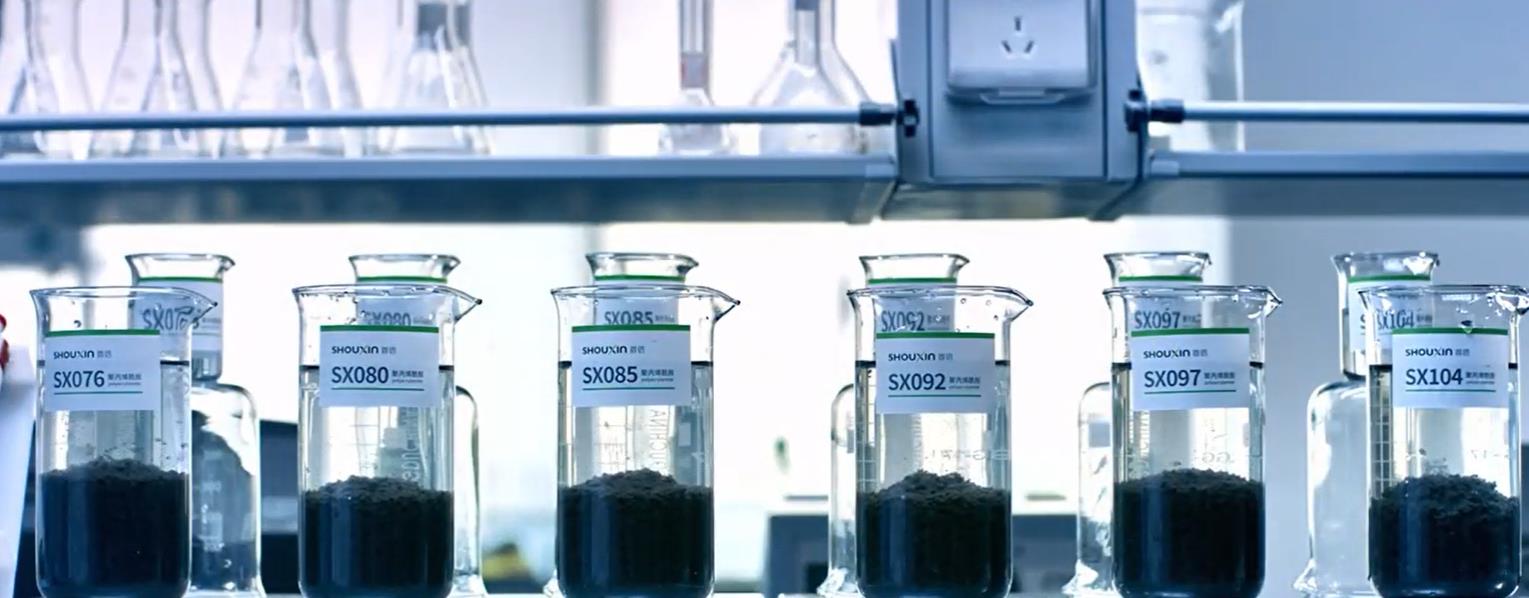
Recycled waste plastic bottles undergo label removal and cleaning, and are processed by Toran AUTOSORT ™ The sorting machine sorts and removes impurities based on the color and material of the materials. Subsequently, the sorted PET bottles are crushed and dried, and the resulting bottle fragments are processed by Taolang INNOSORT ™ The FLAKE bottle sorting machine is used for purification, ultimately obtaining high-quality and high-purity PET bottle pieces. The high-purity regenerated bottle slices produced are directly transported to the film production line of Yinjinda.
In Building 3, after entering the feeding tank, these recycled raw materials undergo precision processes such as longitudinal pulling, transverse pulling, traction, winding, and slitting, ultimately producing high-value recycled polyester film products. The entire process has achieved seamless integration of "waste bottle recycling - regenerated slicing - film production", truly completing the green cycle loop from bottle to film. At the same time, Building 3 has also been equipped with upstream and downstream collaborative projects, further strengthening the resilience and efficiency of the industrial chain.

The person in charge of Yinjinda stated:
For clean bricks, front-end quality control is crucial. In the early stages, we encountered problems such as blocking aging bottles, which were all solved manually.
Now, with the latest technology from Taolang, these problems have been completely solved. Taolang equipment is highly integrated, which not only saves space but also effectively controls energy consumption. Help our production line truly achieve unmanned, low-energy consumption, and high quality! ”
Not just regeneration, but also responsibility and future
The official launch of Weihui Circular Economy Industrial Park marks a crucial step for Yinjinda to transform from a traditional material manufacturer to a pioneer in green technology. It also provides a practical demonstration sample for China's manufacturing industry to implement the "dual carbon" strategy and build a resource circular economy.
Behind this high-value recycling industry chain, Taolang provides solid support for the stable production of high-quality rPET with its globally leading intelligent sorting technology. The deep collaboration between Yinjinda and Taolang not only connects the technological loop from waste bottles to high-end films, but also explores a sustainable development path that balances environmental benefits, economic benefits, and industrial resilience. In the future, this cooperation model is expected to be replicated and promoted in more fields, injecting new momentum into the plastic circular economy and jointly building a green and low-carbon industrial new ecology.