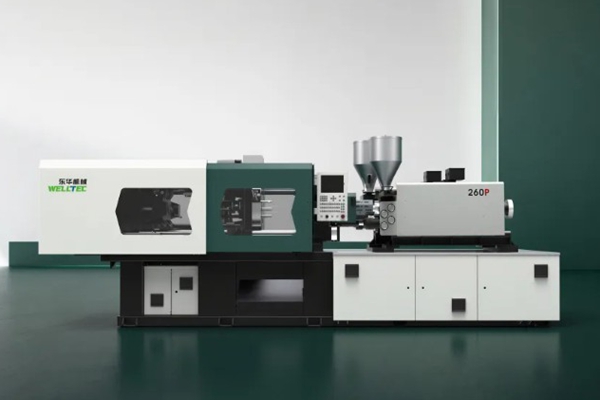
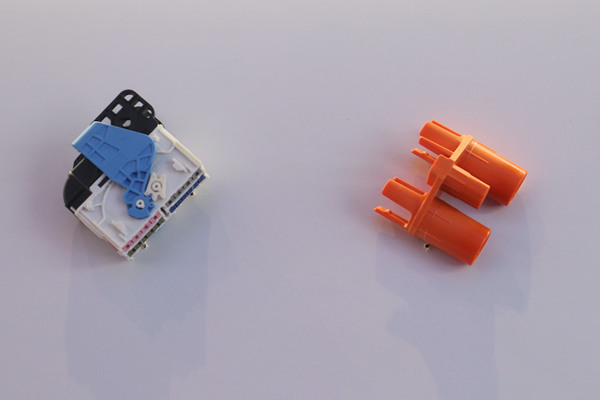
Traditional blow molding machine hydraulic systems mostly use power frequency asynchronous motors to drive quantitative oil pumps, with the motor running at a constant speed throughout the entire process. The hydraulic pressure and flow rate required for each process of equipment mold closing, mold locking, extrusion billet, inflation, pressure holding cooling, mold opening, and demolding vary greatly; During the pressure holding stage, only a small amount of oil is needed to maintain the pressure, and all excess hydraulic oil passes through
overflow valveRelieve pressure and convert a large amount of electrical energy into thermal energy, resulting in wasted energy. Long term operation can lead to problems such as high oil temperature, accelerated aging of hydraulic oil, increased wear and tear of oil pumps, loud equipment noise, high energy consumption, and also cause stuffiness in the workshop, which is a common pain point in the industry.
Switching to GS690 electro-hydraulic servo system configuration
gear pumpBy relying on high-performance pressure closed-loop PID control for on-demand oil supply and eliminating overflow energy loss from the source, it is a blowing method
Energy saving renovation of plastic machinesA cost-effective, mature and stable application solution in the field.
working principle
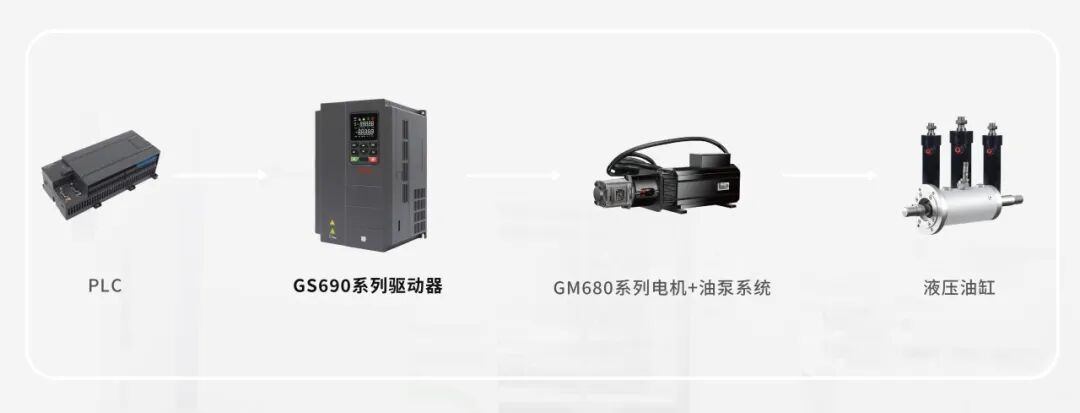
The Jitaike electro-hydraulic servo system mainly consists of GS690 series drivers, GM680 series motors, and FG1-40-01R-VPC oil pumps. See the following figure for details:
Product Features
Hydraulic specialized design:The GS690 series electro-hydraulic servo drive is a newly developed high-performance electro-hydraulic servo product, specially designed for hydraulic equipment, with excellent performance in energy saving, accuracy, stability, and durability.
Encoder optional:Support rotary and absolute encoders, combined with dedicated motor control algorithms, to accurately adjust current and ensure smooth output of hydraulic power.
Convenient debugging and operation:Equipped with dual row LED display screen and upper computer debugging software, parameter setting and daily operation and maintenance work are efficient and convenient.
Flexible bus expansion:Standard configuration includes Modbus RTU and CAN communication, and can be extended to high-speed industrial buses such as PROFINET and EtherCAT as needed.

Application Effect
After the renovation, the equipment has achieved results in terms of operational stability, maintenance costs, yield rate, and production environment
Hydraulic operation is smoother:The clamping pressure fluctuation is controlled within ± 0.4 bar, and the forming flash is greatly reduced.
Reduced operation and maintenance costs:The system oil temperature remains stable at 42-48 ℃, and the replacement cycle for hydraulic oil and seals has been extended to 12 months, resulting in a decrease in maintenance expenses.
Product yield improvement:The wall thickness is uniform, and the scrap rate has decreased from 8.7% to 2.1%, saving about 1.2 tons of HDPE raw materials per month and effectively reducing raw material waste.
Improvement of production environment:The overall noise level has been reduced to 76dB, the heat dissipation load in the workshop has decreased, and the operating conditions have significantly improved.