-
E-mail
578046182@qq.com
-
Phone
15875642986
-
Address
No. 6, Science and Technology Innovation Coast Science and Technology Fourth Road, Jinding High tech Zone, Zhuhai City
Product Categories
Zhuhai Keyipu Laboratory Equipment Co., Ltd
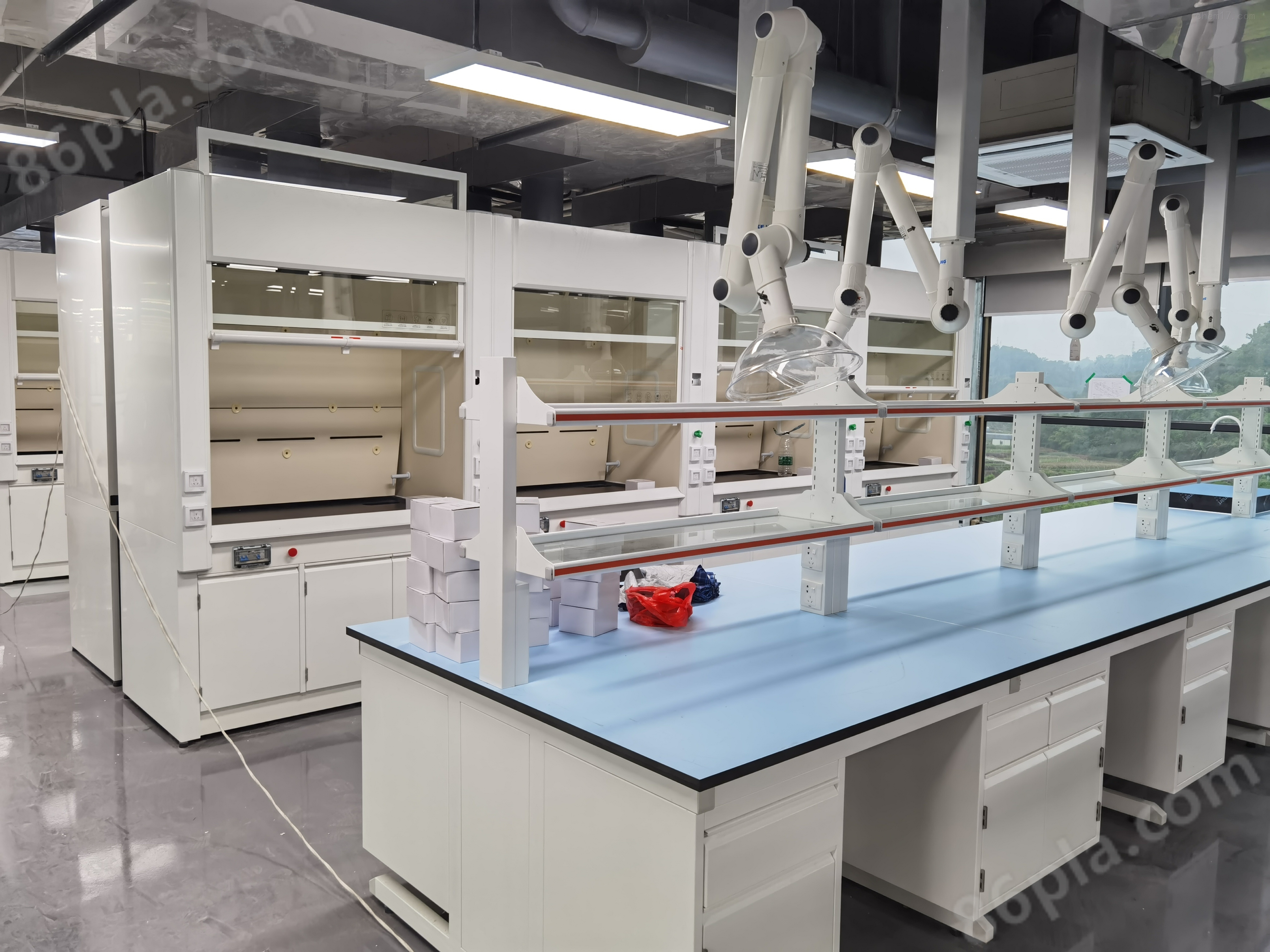
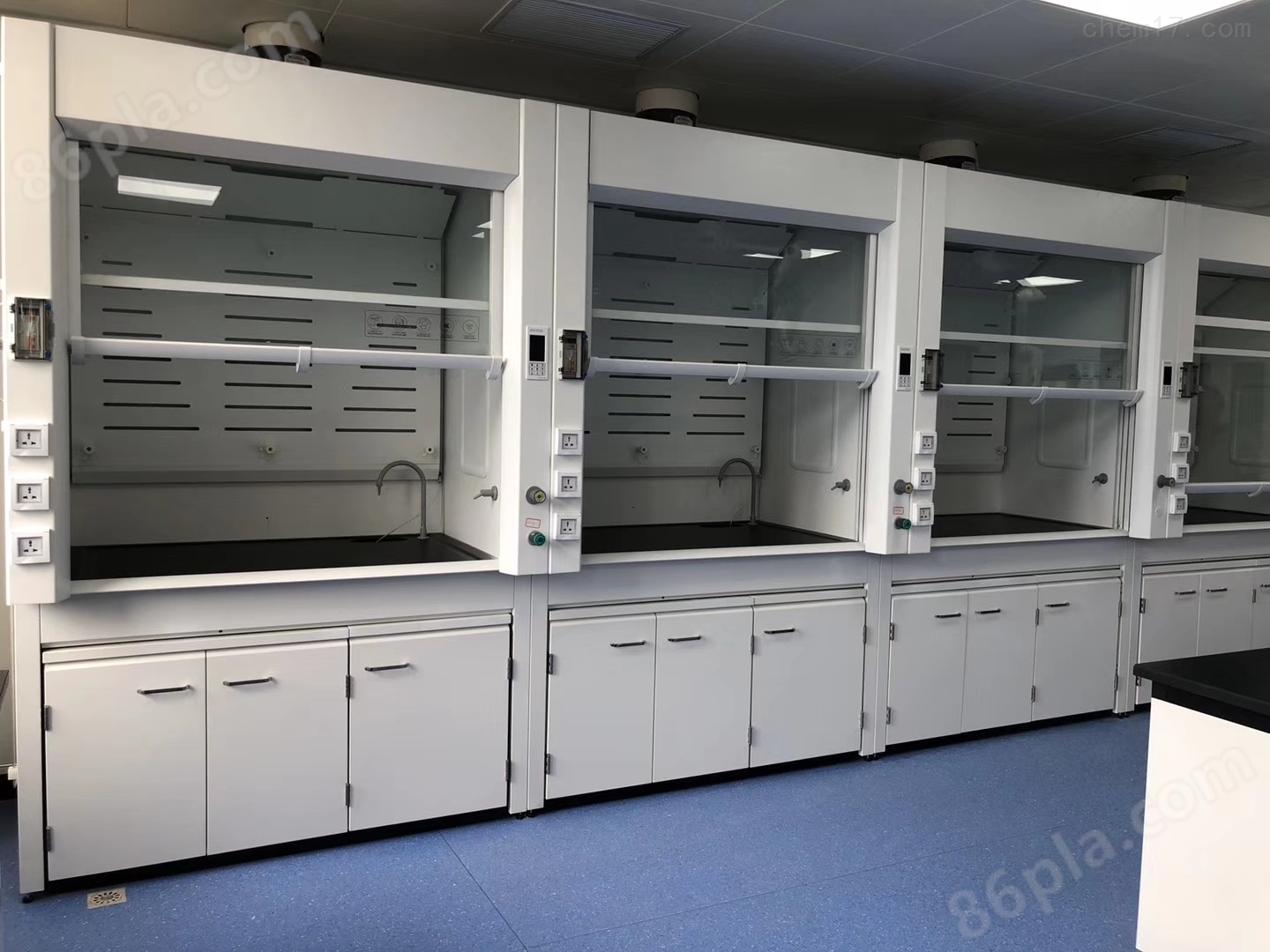
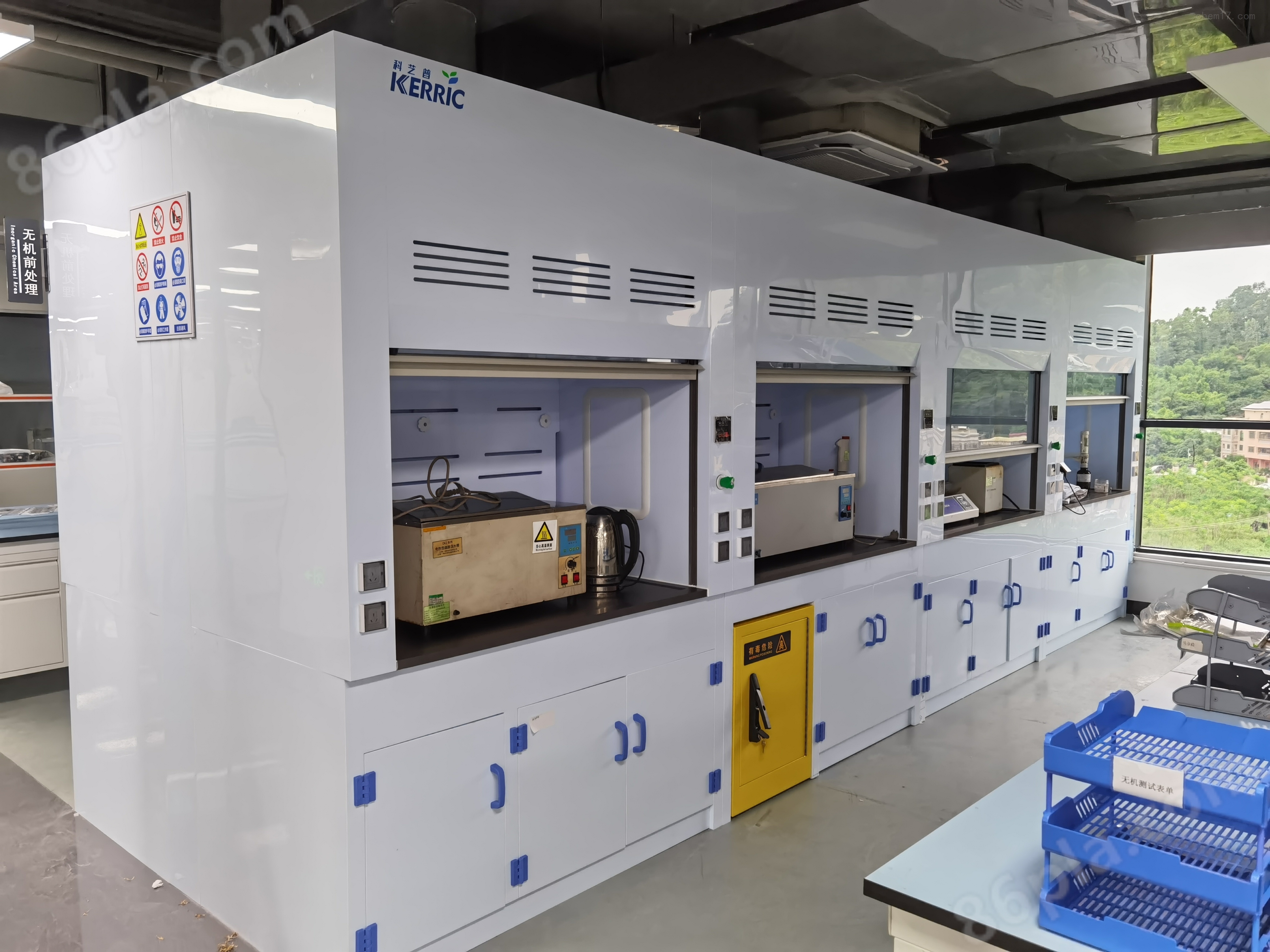
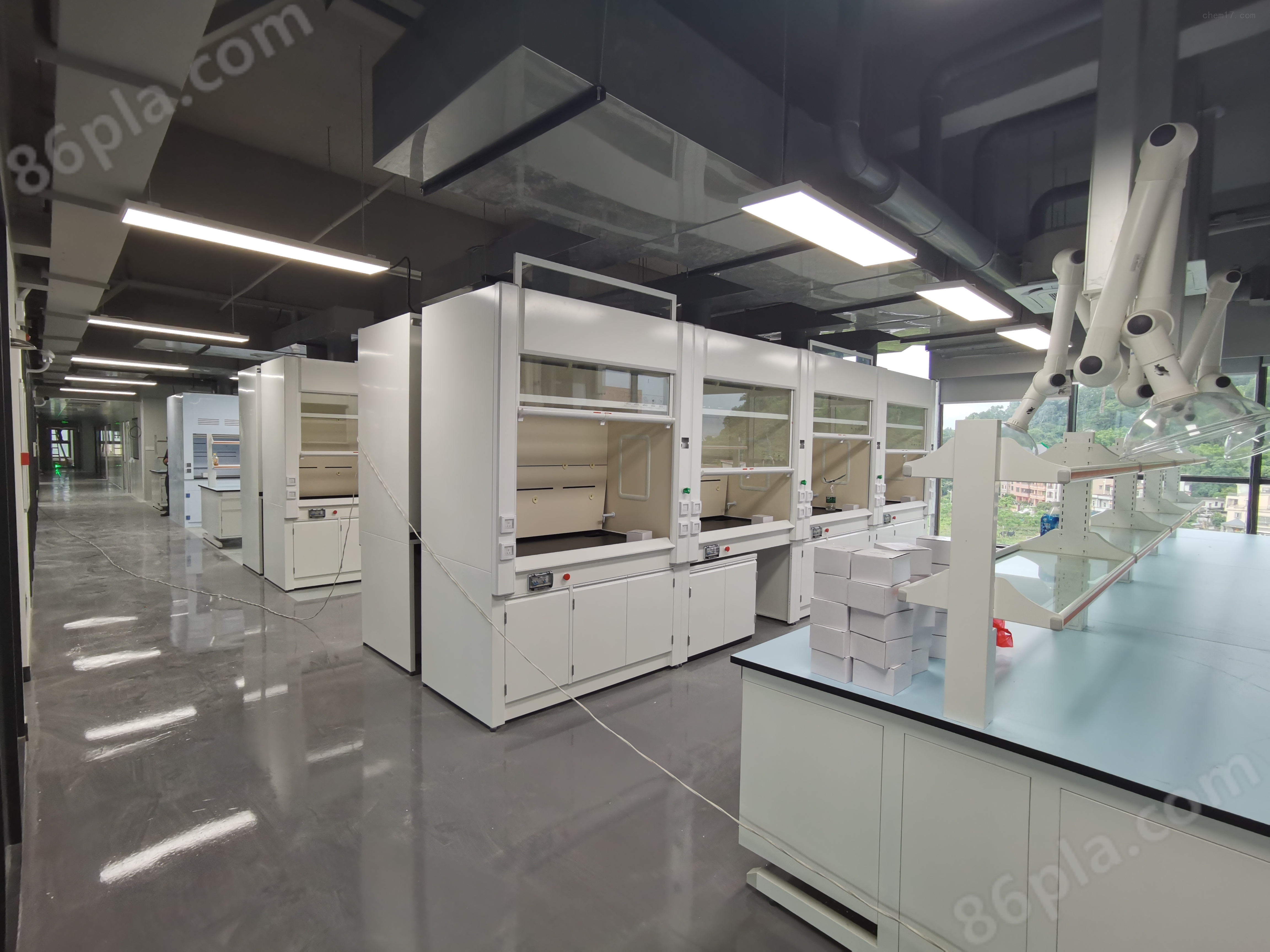
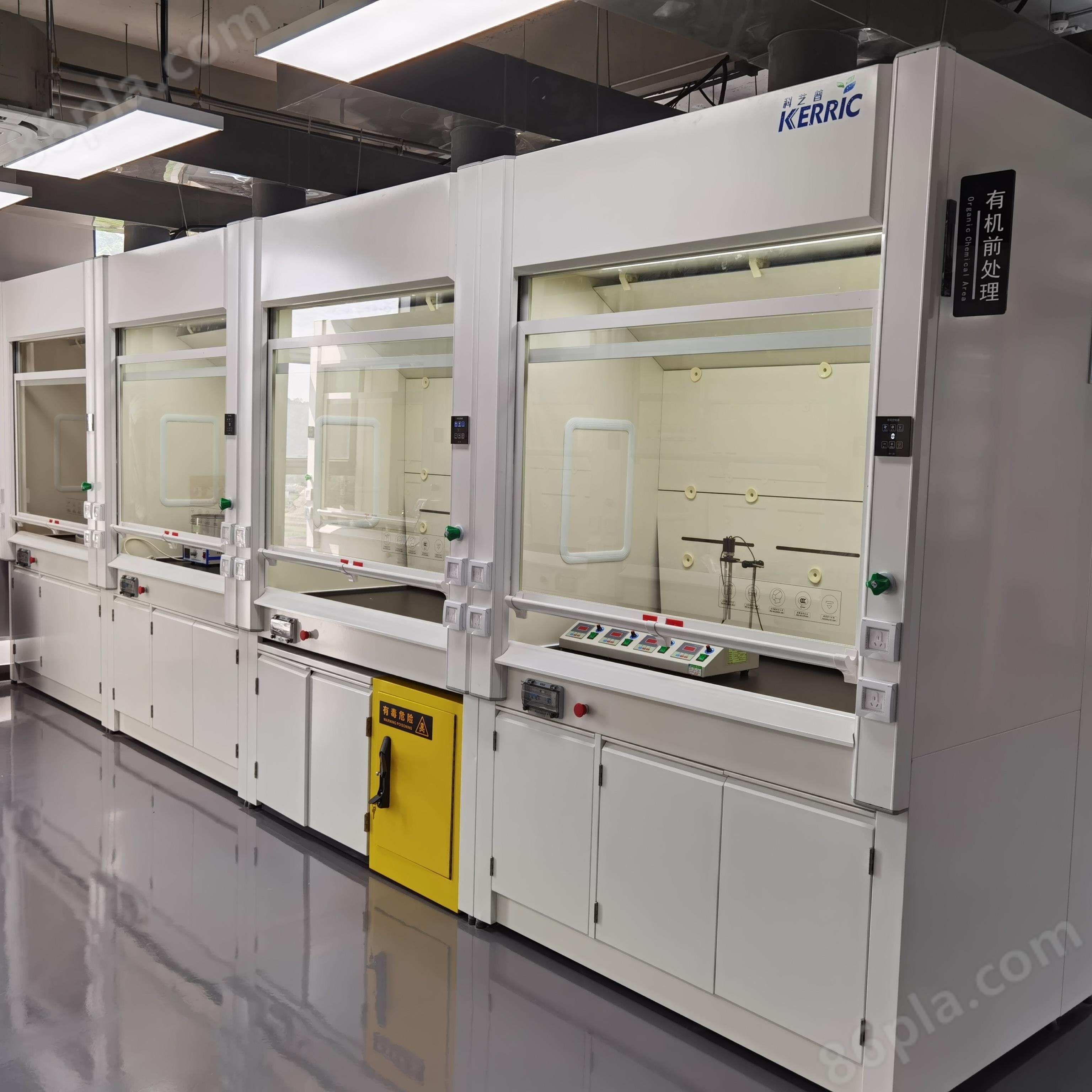
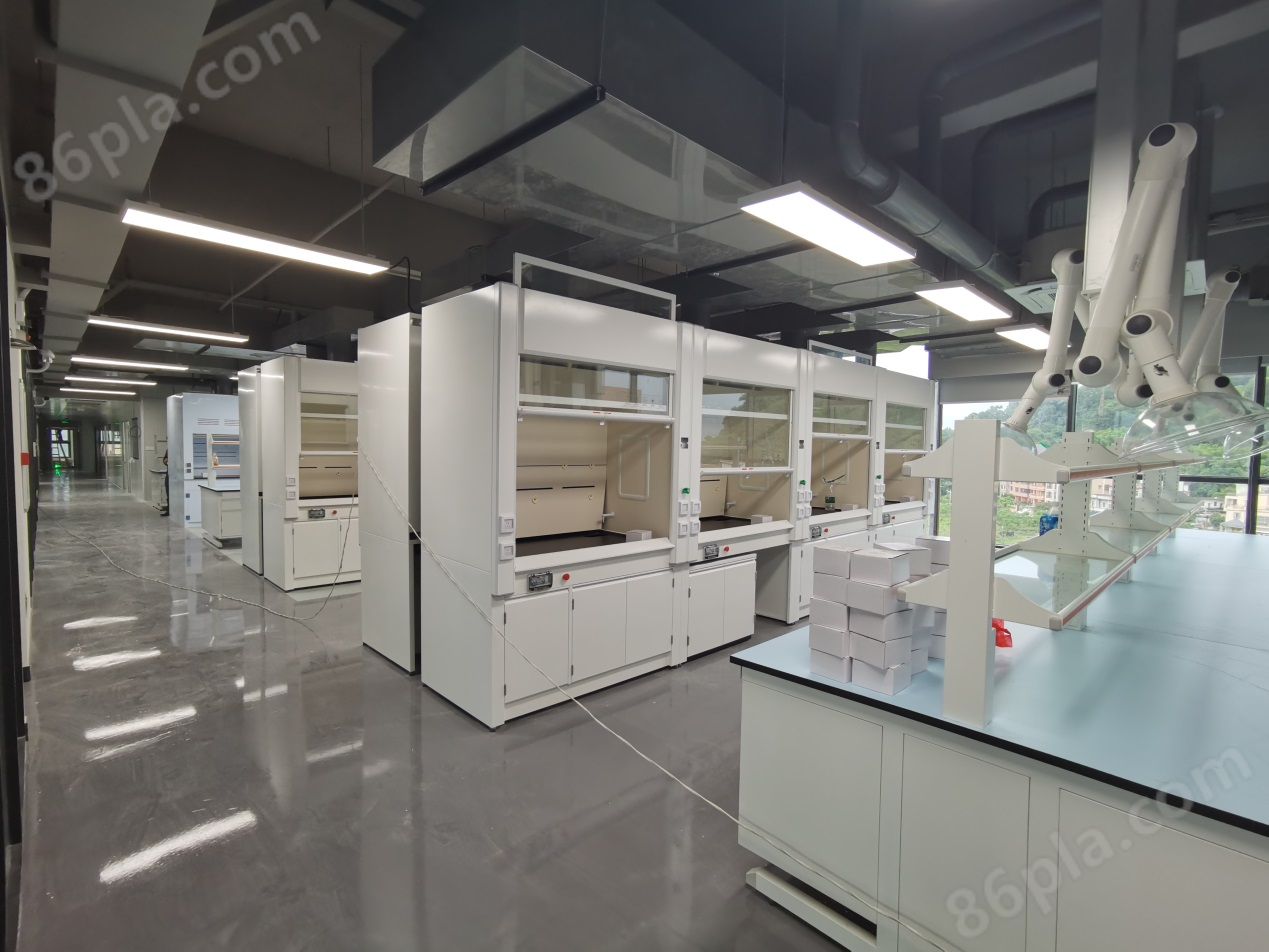
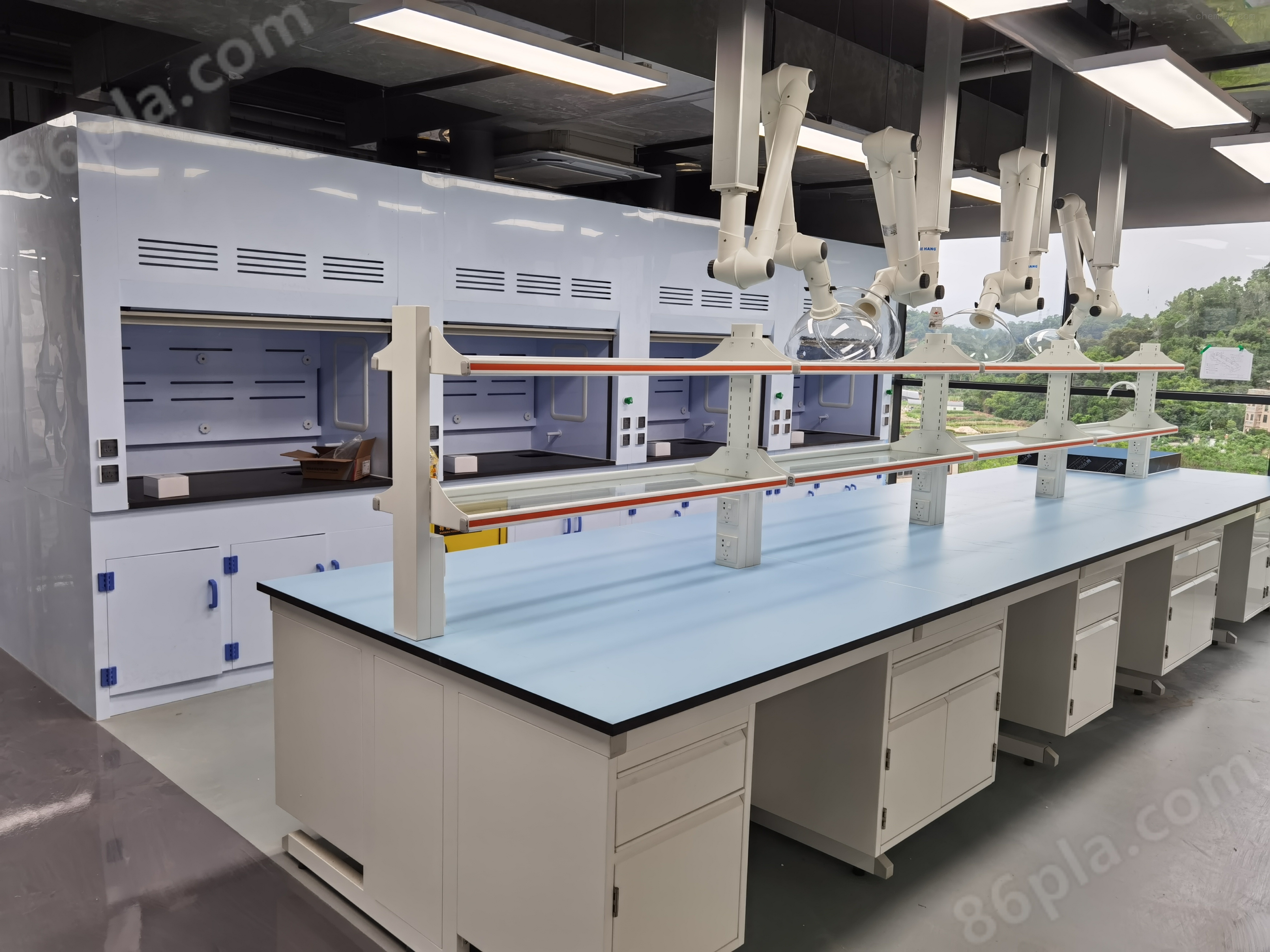
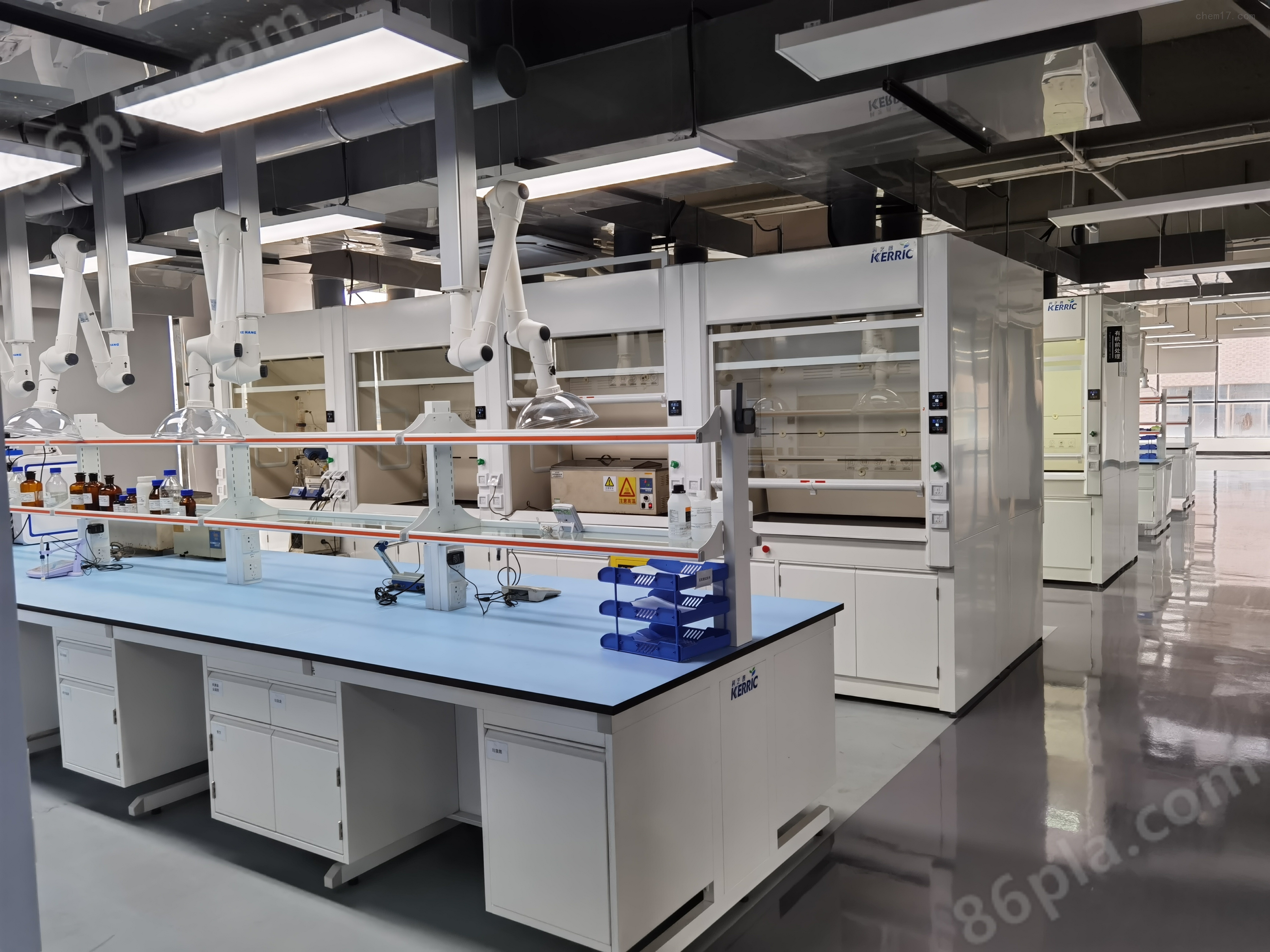
Zhuhai fume hood manufacturer
NegotiableUpdate on 01/17
- Model
- Nature of the Manufacturer
- Producers
- Product Category
- Place of Origin
Overview
Zhuhai Keyipu Laboratory undertakes EPC general contracting projects for laboratory construction in various fields (providing design and planning solutions for laboratories in various industries, from initial consultation, design and decoration, planning, production and installation construction, one-stop laboratory construction services, constructing laboratories that comply with national standards and specifications and have complete qualifications), including the production and manufacturing of fume hoods
Product Details
Zhuhai Keyipu LaboratoryUndertake EPC general contracting projects for laboratory construction in various fields (providing design and planning solutions for laboratories in various industries, from initial consultation, design and decoration, planning, production and installation construction, one-stop laboratory construction services, constructing laboratories that comply with national standards and regulations and have complete qualifications)
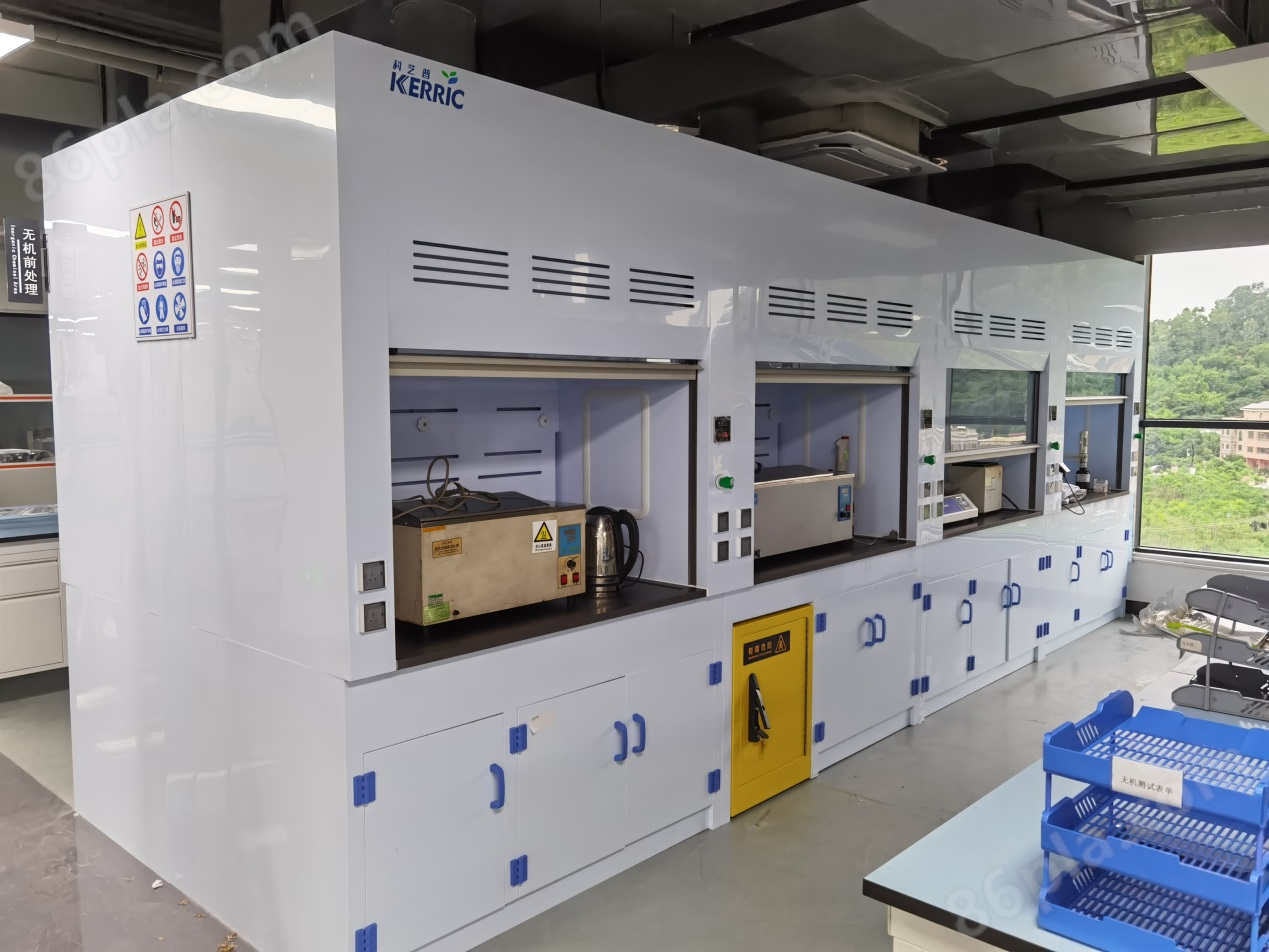
1fume hoodClassification:
1.fume hoodAccording to the exhaust methodClassification: It can be divided into three types: upper exhaust type, lower exhaust type, and upper and lower simultaneous exhaust type.
2. VentilationCabinet according toClassification of air intake methods: can be divided into full exhaust typefume hood, supplementary air typefume hoodVariable air volume typefume hood.
3. VentilationCabinet according toClassification of production materials: can be divided intoppfume hoodAll steelfume hoodSteel and woodfume hoodStainless steelfume hoodWait.
4. VentilationCabinet according toUsage classification: It can be divided into integral lower open type, floor standing type, double-sided type, three sided glass type, tabletop type, and integrated type.
5. According to the special design requirements for different experimental uses, it can be classified into those for radioactive experiments, those for synthetic experiments, and those specifically designed for certain experimentsfume hood.
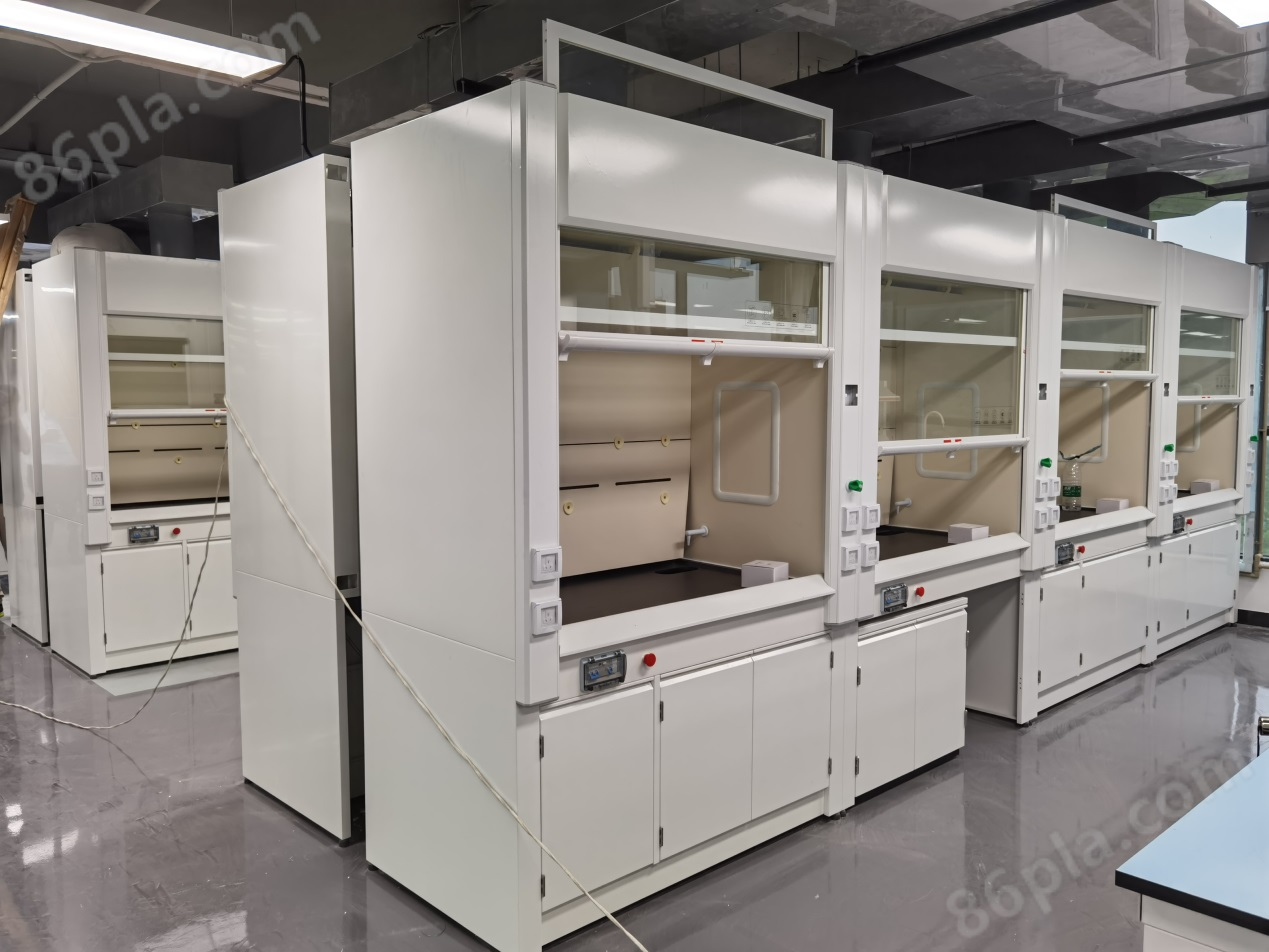
2、 VentilationCabinet usagemethod
in usefume hoodFirstly, review the following aspects:
1. Is the power switch in the on position;
2. Is the power indicator light on the bottom cabinet power control panel on;
3. Is the fluorescent light switch turned on;
4. VentilationIs the cabinetIn exhaust state; Operation can only begin when all inspection results are normalfume hood.
improve air circulationCabinet is correctOperation Mode
1. The fully open state of the glass window is only allowed to occur during assembly, debugging of internal instruments and equipment, or cleaning of the interior space of the cabinet. This is the 'adjustment state';
2. Open the glass window to the user's elbow (half open), allowing the operator to reach into the cabinet to operate the experiment, while the chest and above are protected by the safety tempered glass of the glass window, which is the 'normal operating state';
3. Adjust the door to the bottom opening and allow the operator to leave, allowing the experimental program inside the cabinet to react or pause the experiment on its own. This is the 'standby state';
4. Experimenters are involved infume hoodDuring the experiment, it is advisable to avoid inserting the head into the regulating door to avoid danger;
5.fume hoodExcessive placement of non essential items and equipment should be avoided to prevent interference with the normal flow of air and cause disturbance(turbulent)Flow;
6. Place experimental items and equipment infume hoodWhen inside, the distance from the inside of the regulating door should be about 150mm to ensure smooth exhaust (ASHRAE-110)
7. Operators leave after finishing their workfume hoodBefore, it should befume hoodTurn off the power supply of the internal equipment, turn off all water, electricity, and gas switches, and lower the regulating door to the bottom position before leaving;
8.fume hoodAlthough the interior is made of imported polymer corrosion-resistant materials, proper cleaning and maintenance are necessary for long-term maintenance and extended service life. If there are any reagent or drug splashes during normal use, they should be wiped and removed immediately. Before stopping work and leaving every day, the interior should be wiped clean with clean water, and the guide plate should be removed for cleaning and inspection at least once every three months.
9.fume hoodThe lower cabinet has a ventilation function on the left side for storing reagents;The right single cabinet is for waterGas system containment cabinets are strictly prohibited from containing any corrosive substances.
10. Each unitfume hoodThere is a circuit protection system (dual protection of thermal relay and AC contactor), and one main power circuit breaker (NFB) (with leakage protection) is installed to control and protect the fan, air valve, lighting fixtures, and sockets. The power socket only provides a 10V220A usage specification. When the total power consumption of the device exceeds 10A, a separate design is required;
11. Each unitfume hoodEach cup has a cup slot, this cupSlot system supplyThe discharge of condensate water is required for the experiment and for the drainage during cleaning of the cabinet,Not for washingUse(fume hoodThe internal space is limited, in order to avoid splashing water everywhere, which may affect the experiment and even cause danger. Please do not use the designated sink for special needs.
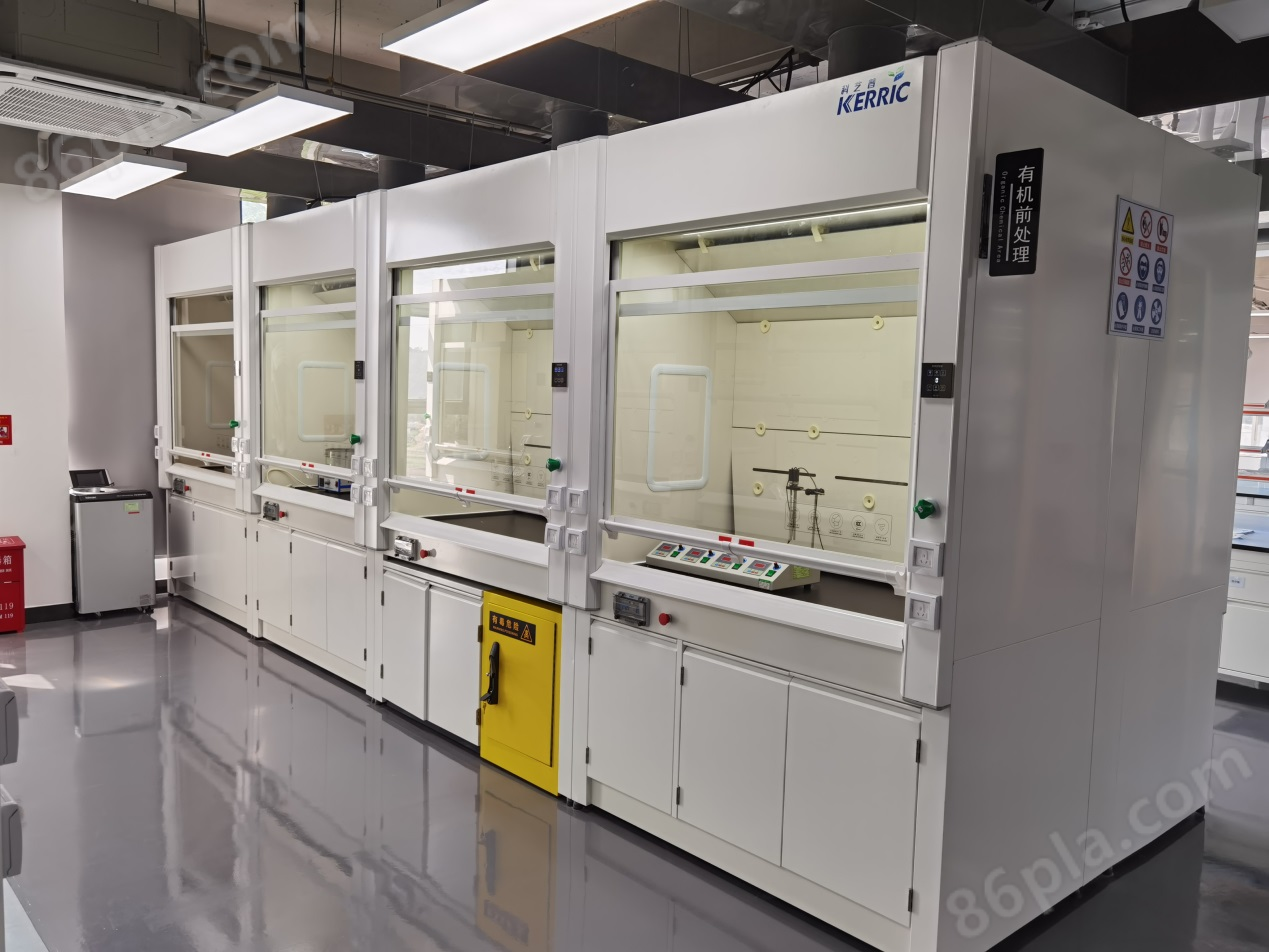
Suggestions for equipment and instrument placement include the following methods:
1. Equipment should be located as close to ventilation as possibleInside the cabinetPlace it deep and at least 6 to 8 inches away from the adjustable door.Regarding the disc typeThe countertopfume hoodEquipment and devices should be placed behind the raised edge of the countertop;
2. If the equipment is too long and extended outside the adjustment door, or placed in a position that can affect the opening or closing of the adjustment door;
When the height of the device exceeds 100 mm, there needs to be an airflow channel below the device. Stainless steel brackets can be used to raise the device, and hollow or perforated brackets can reduce interference with the airflow pattern;
4. It should be avoided tofume hoodBuilt in to accommodate multiple devices and instruments, infume hoodThe total area of equipment or other devices inside shall not exceed 50% of the tabletop area;
5.fume hoodWhen using equipment or instruments that require power supply, special attention should be paid to grounding the equipment to reduce the possibility of sparks. The power cord should be pulled out from the lower air inlet and connected to an external power socket. The power socket should also have a complete and certified grounding facility;
6. There are devices inside the cabinet that generate high heat loads, and their heat sources will cause changes in the airflow inside the cabinet, which will have an impactfume hoodThe surface wind speed below the opening of the glass window. The hot air flow will increase the surface wind speed below the opening of the glass window, while the surface wind speed in the upper half of the opening will decrease;
7. Usually, due tofume hoodinsideThere will be backflow and vortex flow above and behind the regulating door, so it is advisable to avoid generating a large amount of airflow disturbance in these two areas as much as possible.