-
E-mail
578046182@qq.com
-
Phone
15875642986
-
Address
No. 6, Science and Technology Innovation Coast Science and Technology Fourth Road, Jinding High tech Zone, Zhuhai City
Product Categories
Zhuhai Keyipu Laboratory Equipment Co., Ltd


Zhuhai experimental platform quotation
NegotiableUpdate on 01/17
- Model
- Nature of the Manufacturer
- Producers
- Product Category
- Place of Origin
Overview
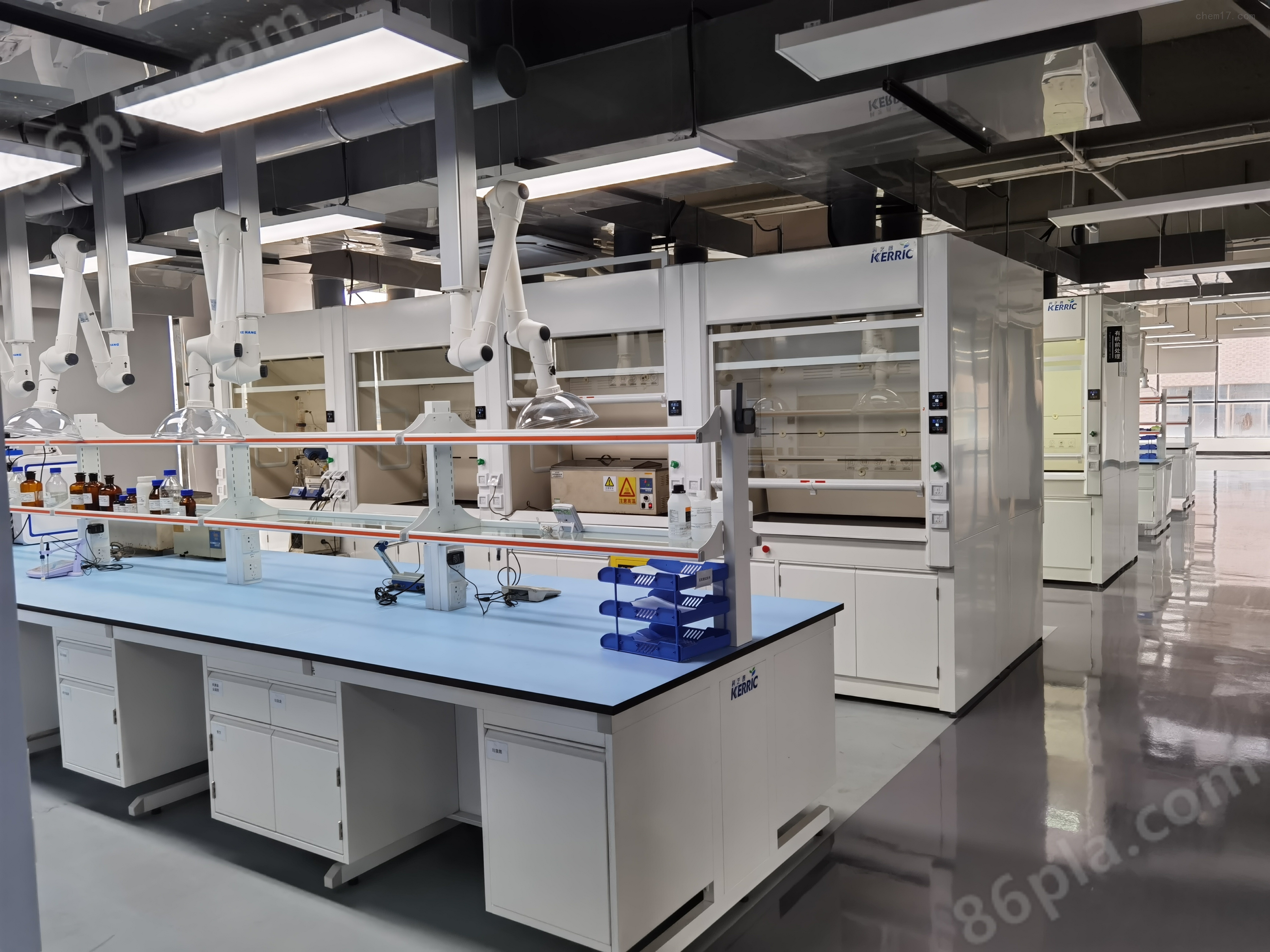
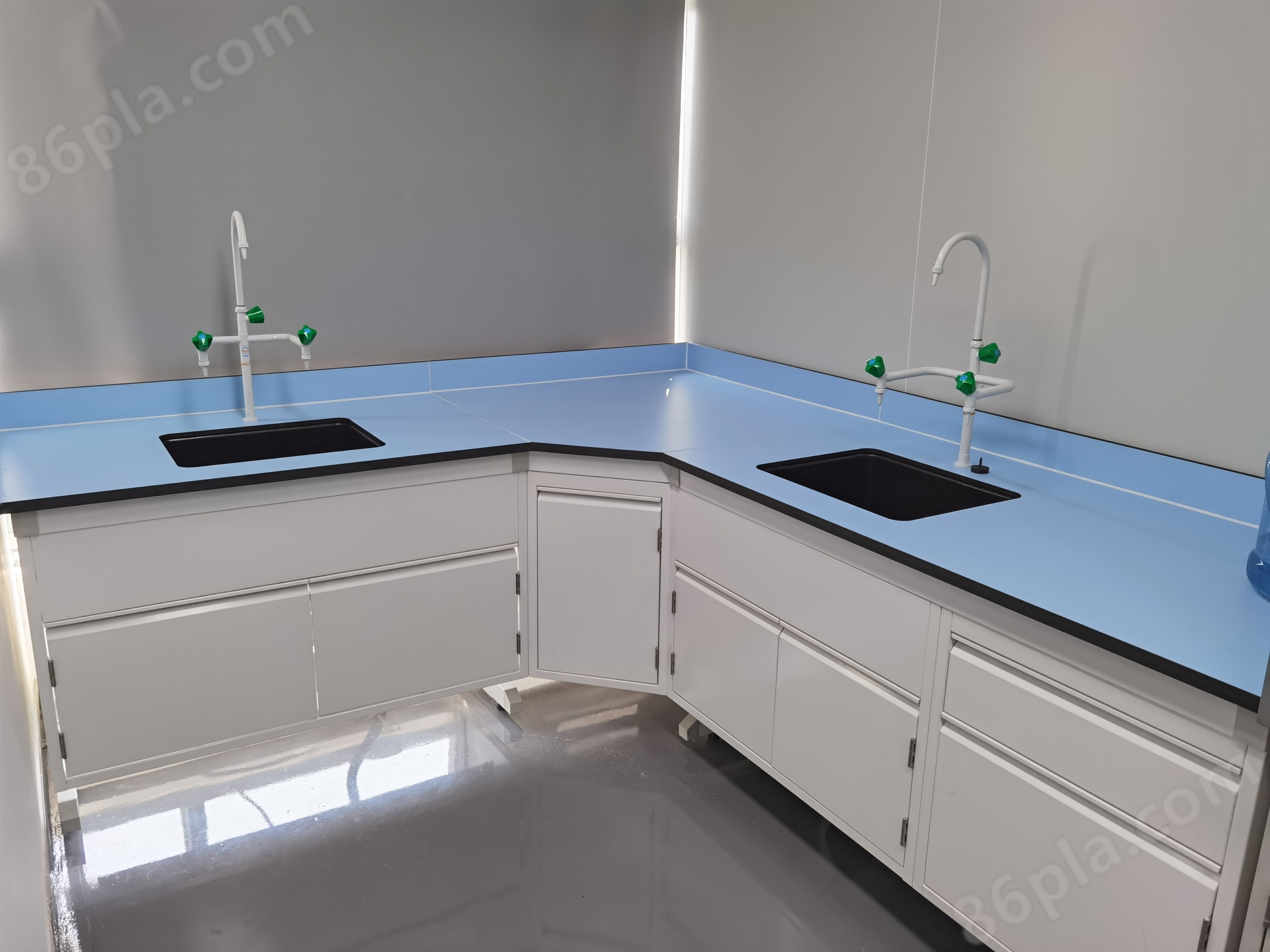
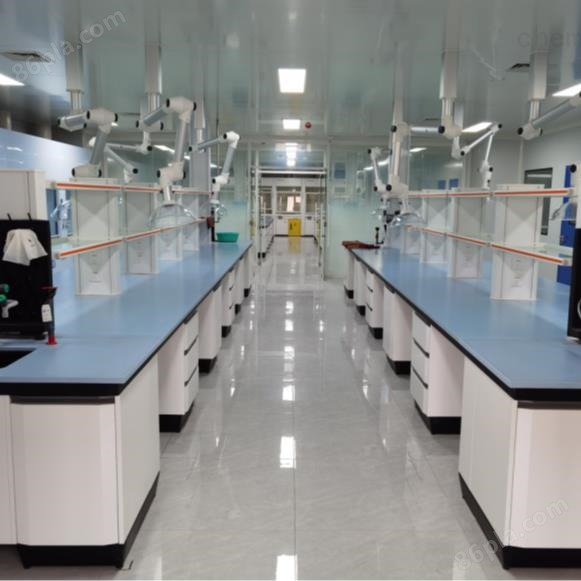
A laboratory bench is a device used for scientific research and education, typically consisting of a flat work surface, storage cabinets, drawers, and other accessories. Experimental benches are widely used in disciplines such as chemistry, biology, physics, geology, etc. for conducting experiments, observations, testing, and data recording.
Product Details
laboratory benchIt is a device used for scientific research and education, typically consisting of a flat work surface, storage cabinets, drawers, and other accessories. Experimental benches are widely used in disciplines such as chemistry, biology, physics, geology, etc. for conducting experiments, observations, testing, and data recording.
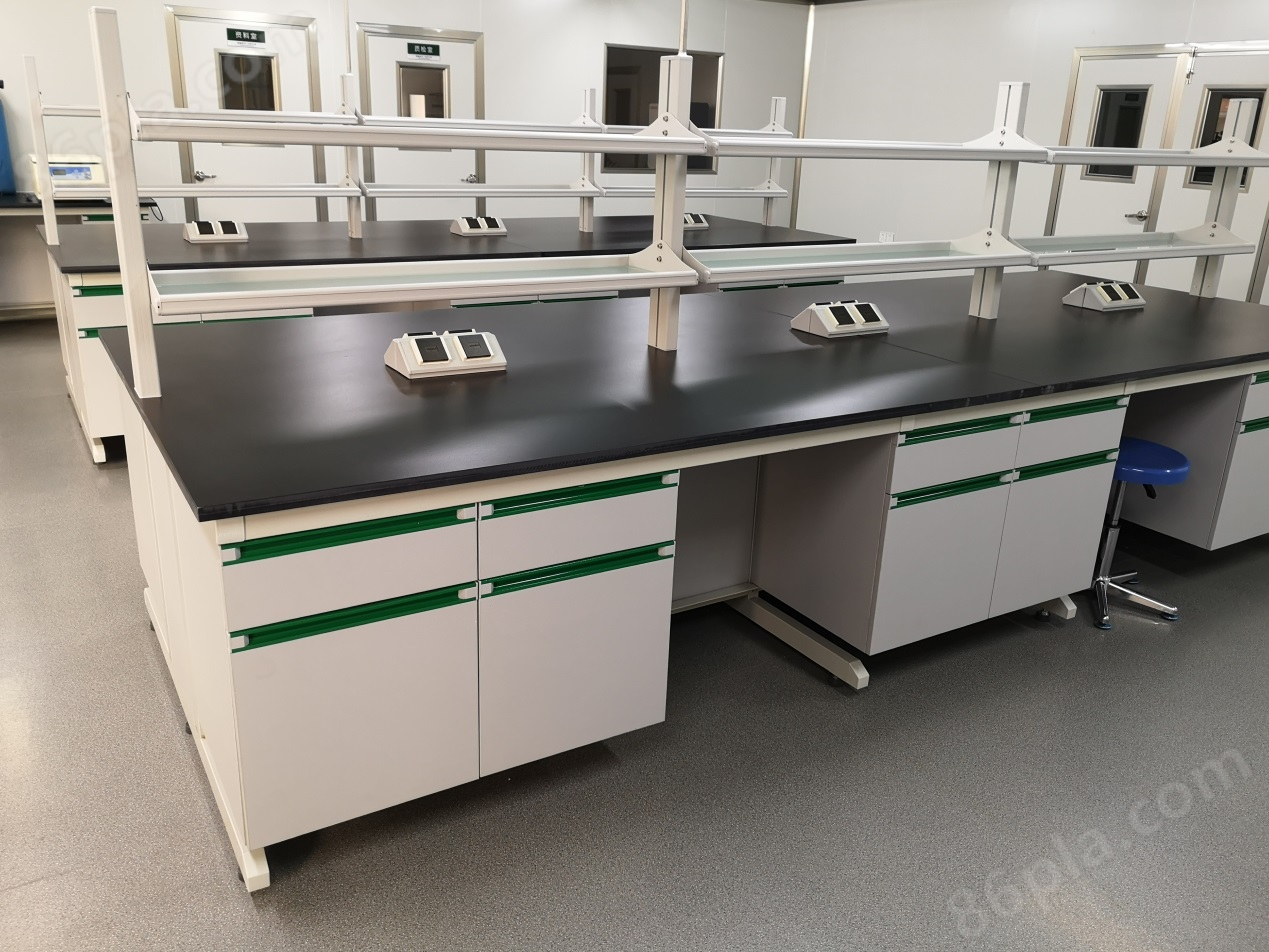
All steel platform:
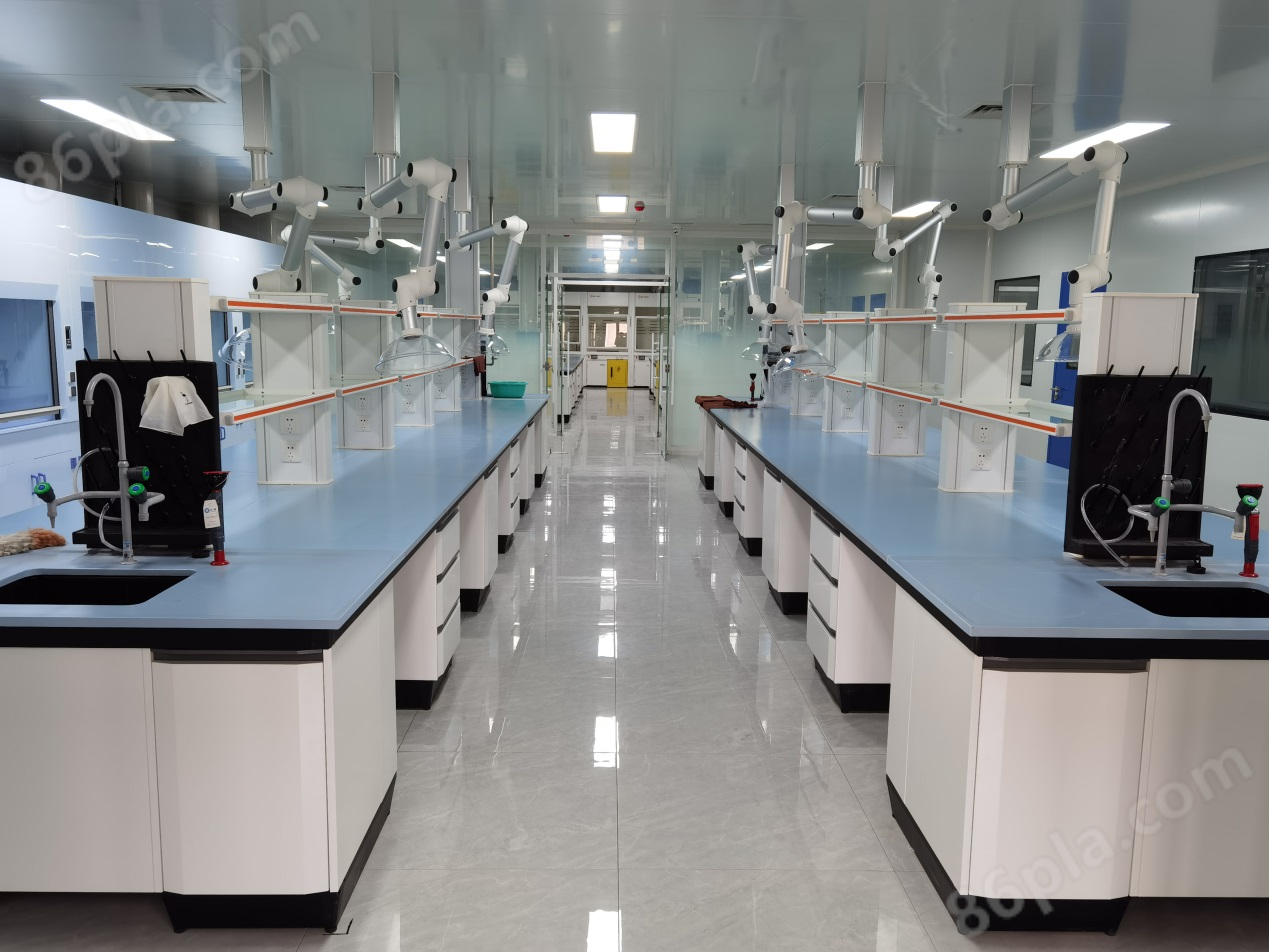
Different types of laboratories require different types of experimental platforms. For example, a chemical laboratory needs to have corrosion resistance and fire resistanceAnd splashingControl functionslaboratory benchBiology laboratories require high hygiene standards and surfaces that are easy to clean. The main purposes of the experimental bench include conducting experiments, storing experimental equipment and reagents, preparing experimental materials, and recording experimental data.
The material of the experimental platform can be various materials, including but not limited to: steel plate, wood, stone, plastic, glass, etc. The choice of material depends on the specific requirements of the experiment and the laboratory environment. For example, corrosion resistance is requiredConduct chemical experiments on materials with good properties; Materials with smooth and easy to clean surfaces are required for biological experiments; High temperature resistant materials are required for physical experiments, etc.
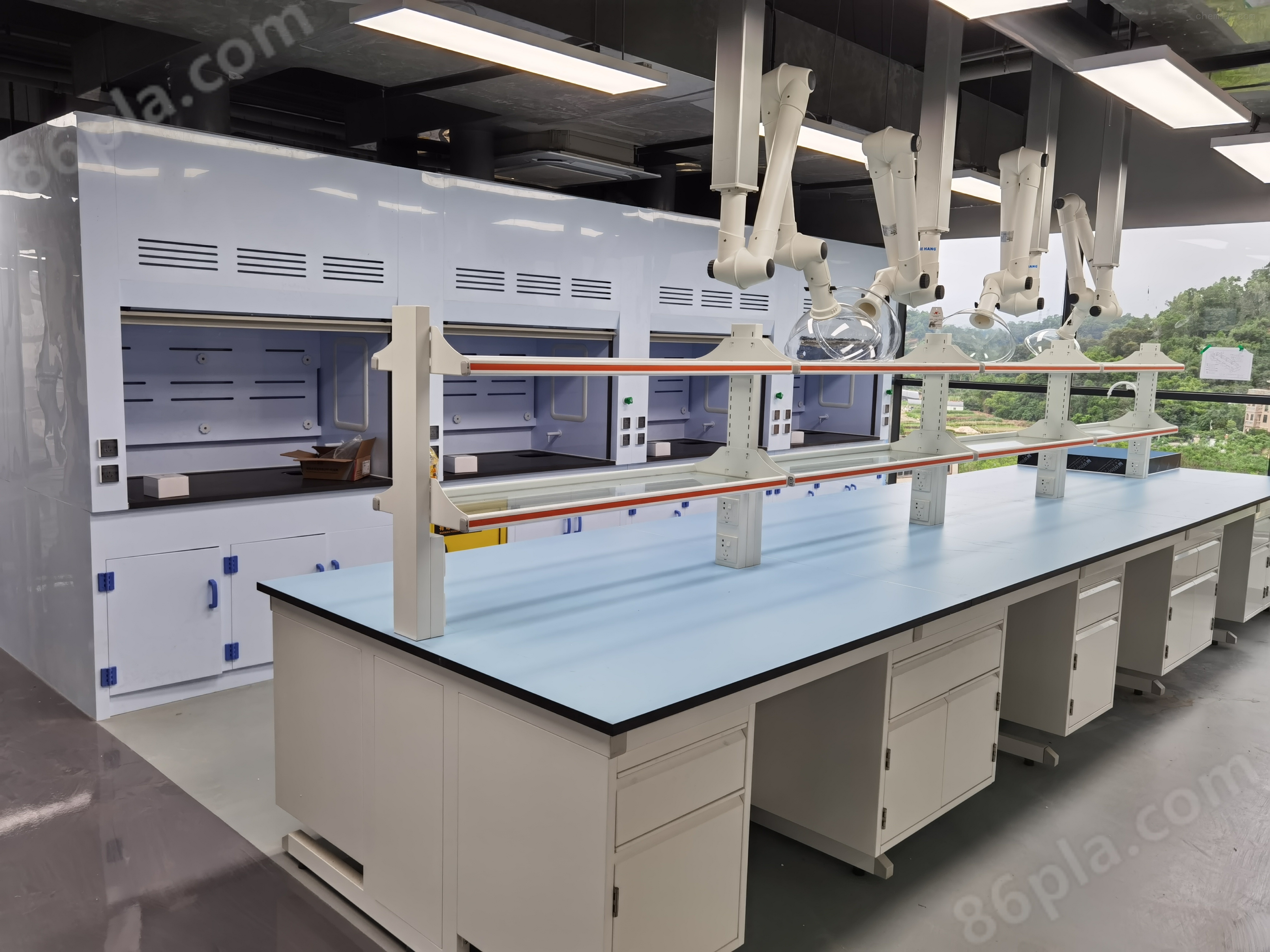
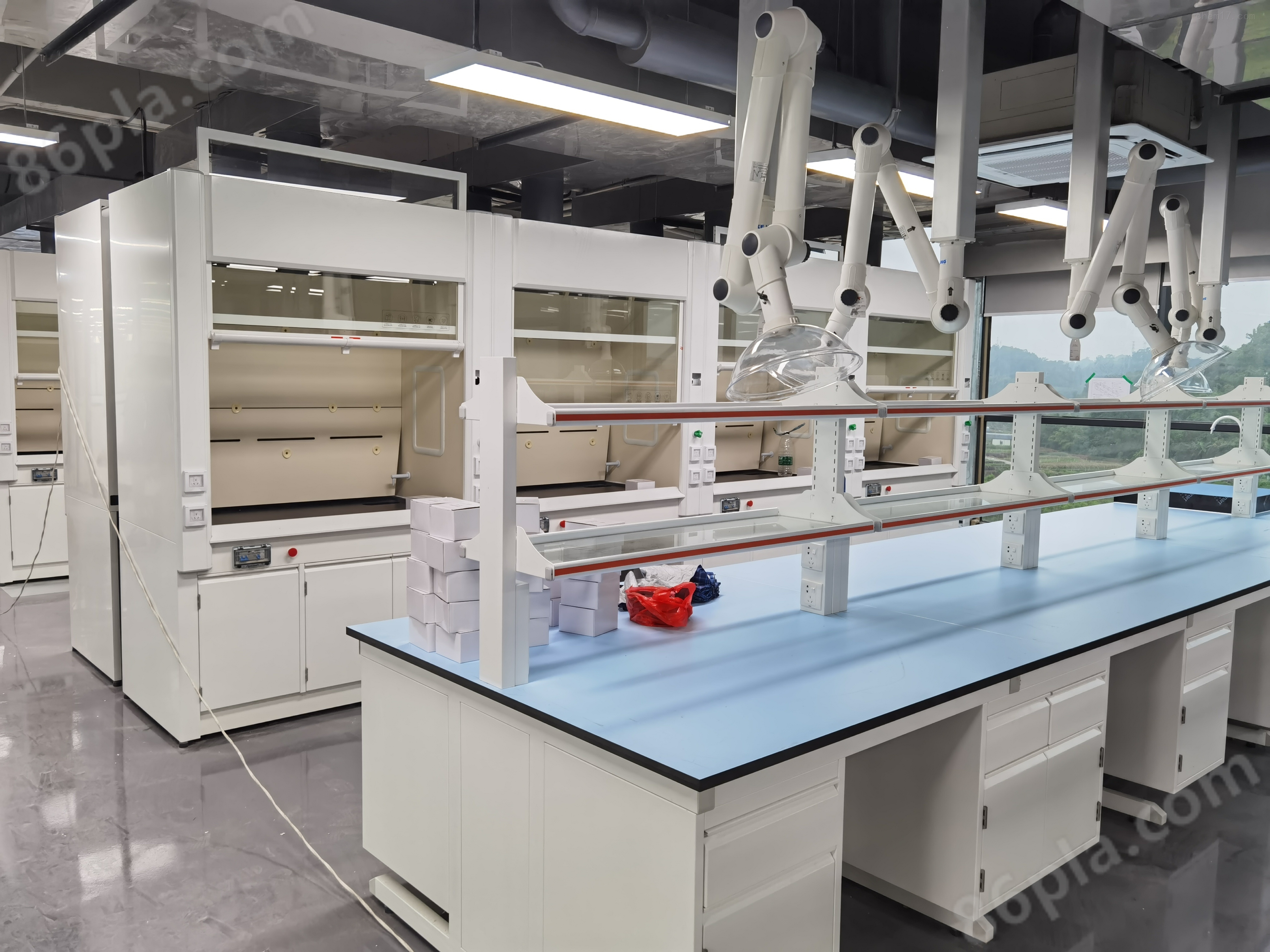
Instrument table:
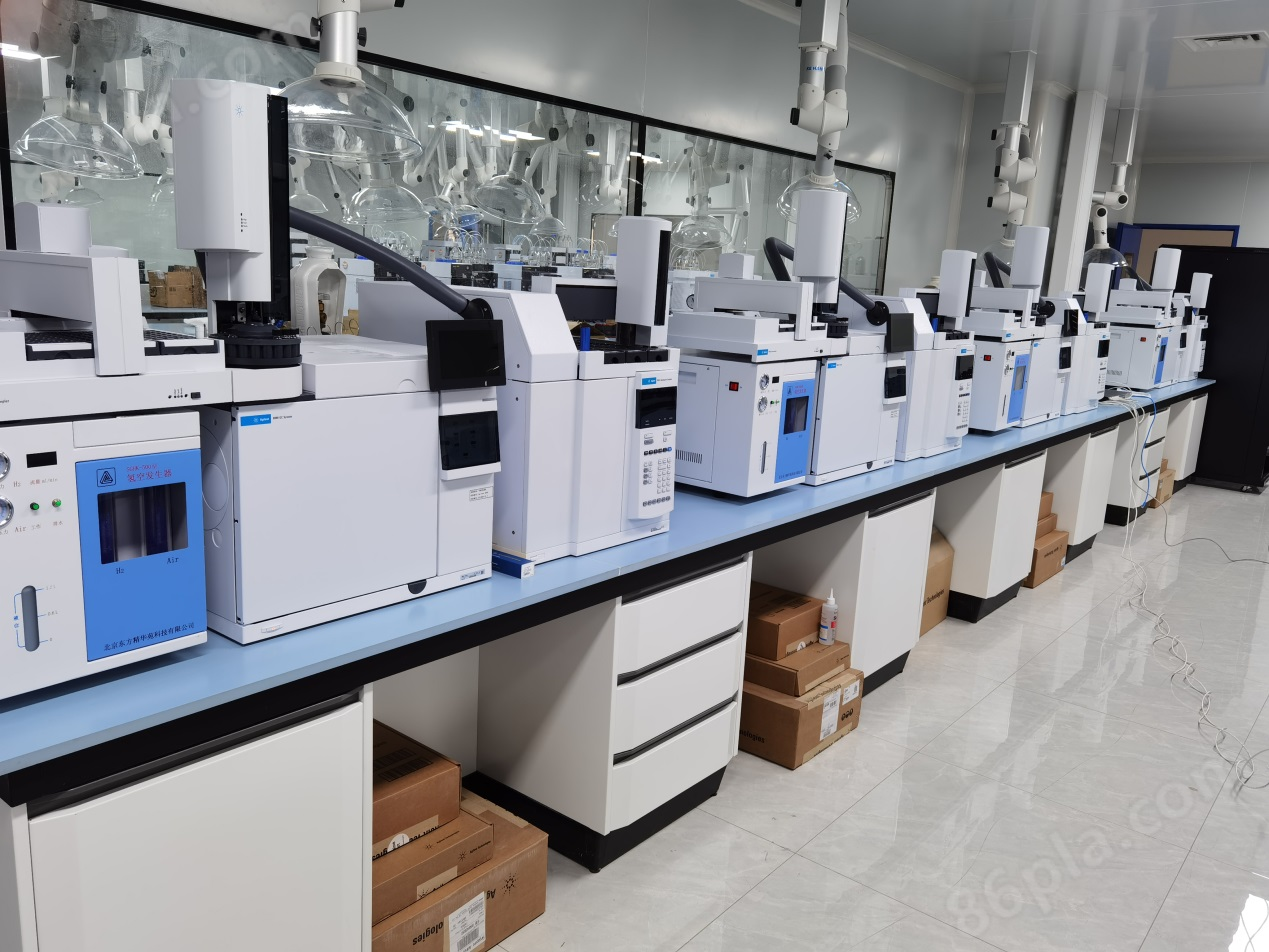
The classification of experimental benches can be based on different criteria, and the following are some common classification methods:
1. According to usage: chemical laboratory bench, biological laboratory bench, physics laboratory bench, etc
2. According to the structural form: fixed experimental platform, mobile experimental platform, adjustable experimental platform, etc
3. According to materials: metal experimental platform, wooden experimental platform, plastic experimental platform, stone experimental platform, etc
4. According to functions: ordinary experimental platform, ventilation experimental platform, protective experimental platform, etc
5. According to the configuration: single person experimental platform, double person experimental platform, multi person experimental platform, etc
These classification methods are not independent of each other, and sometimes an experimental platform may meet multiple classification criteria simultaneously.
All steel experimental platform:
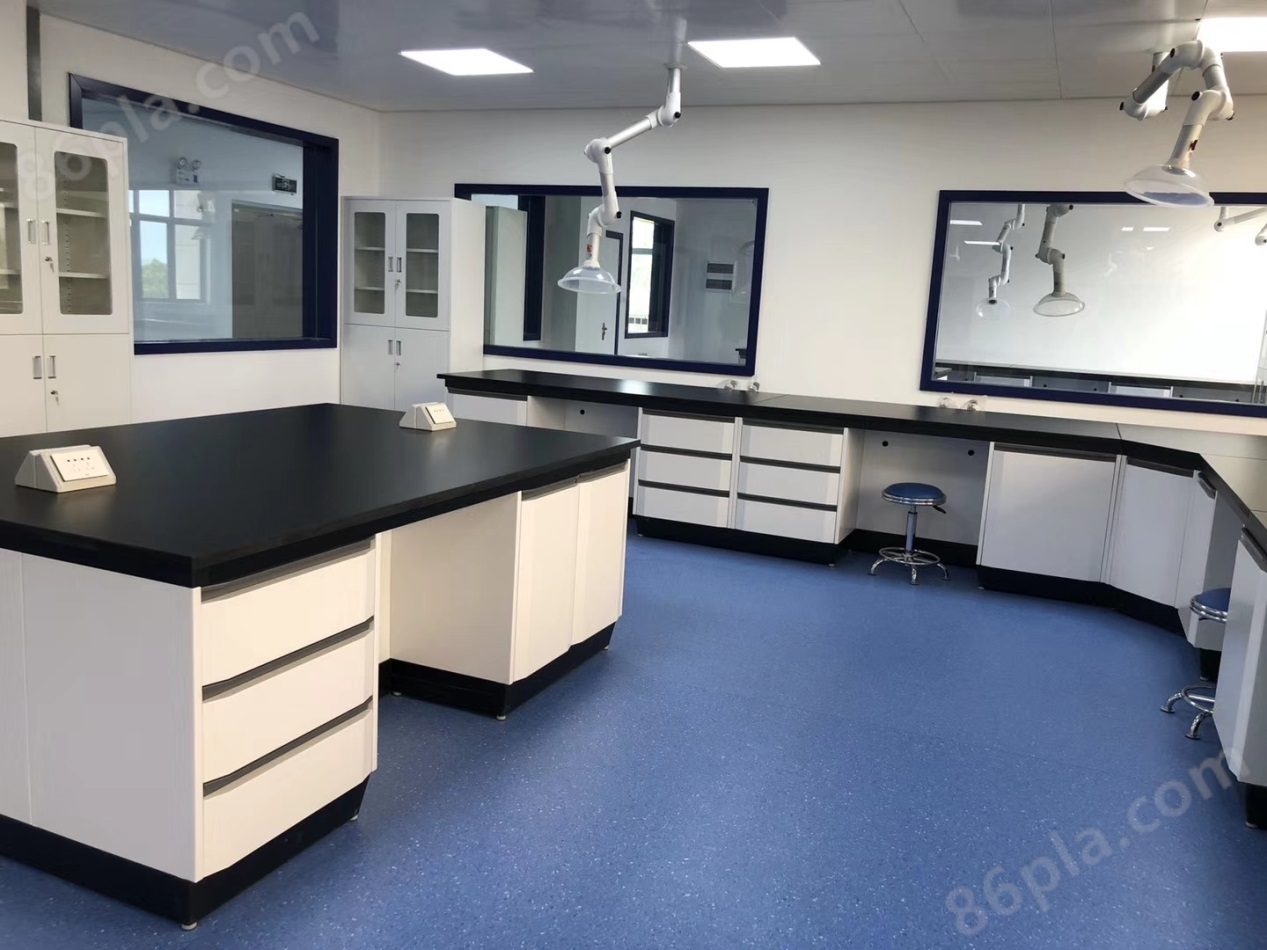
When choosing a laboratory bench, the following factors should be considered:
1. Laboratory purpose and requirements: Select different experimental platforms for different purposes according to the specific experiments and research needs conducted in the laboratory.
2. Laboratory area and layout: The size, form, and quantity of the experimental platform should be considered to meet the requirements of laboratory space and reasonable layout.
3. Quality and durability of the experimental bench: The material, structure, and process of the experimental bench should meet the corresponding standards and be able to withstand factors such as frequent use and chemical corrosion.
4. Safety: The experimental platform should adopt protective measures, such as ventilation systems, exhaust gas treatment equipment, etc., to ensure the safety of operators.
5. Maintenance and cleaning convenience: The surface of the laboratory bench should be easy to clean and maintain to ensure laboratory hygiene and the lifespan of the bench.
In short, when selecting a laboratory bench, factors such as its purpose, size, quality, safety, and ease of maintenance should be comprehensively considered based on the specific situation and needs of the laboratory.
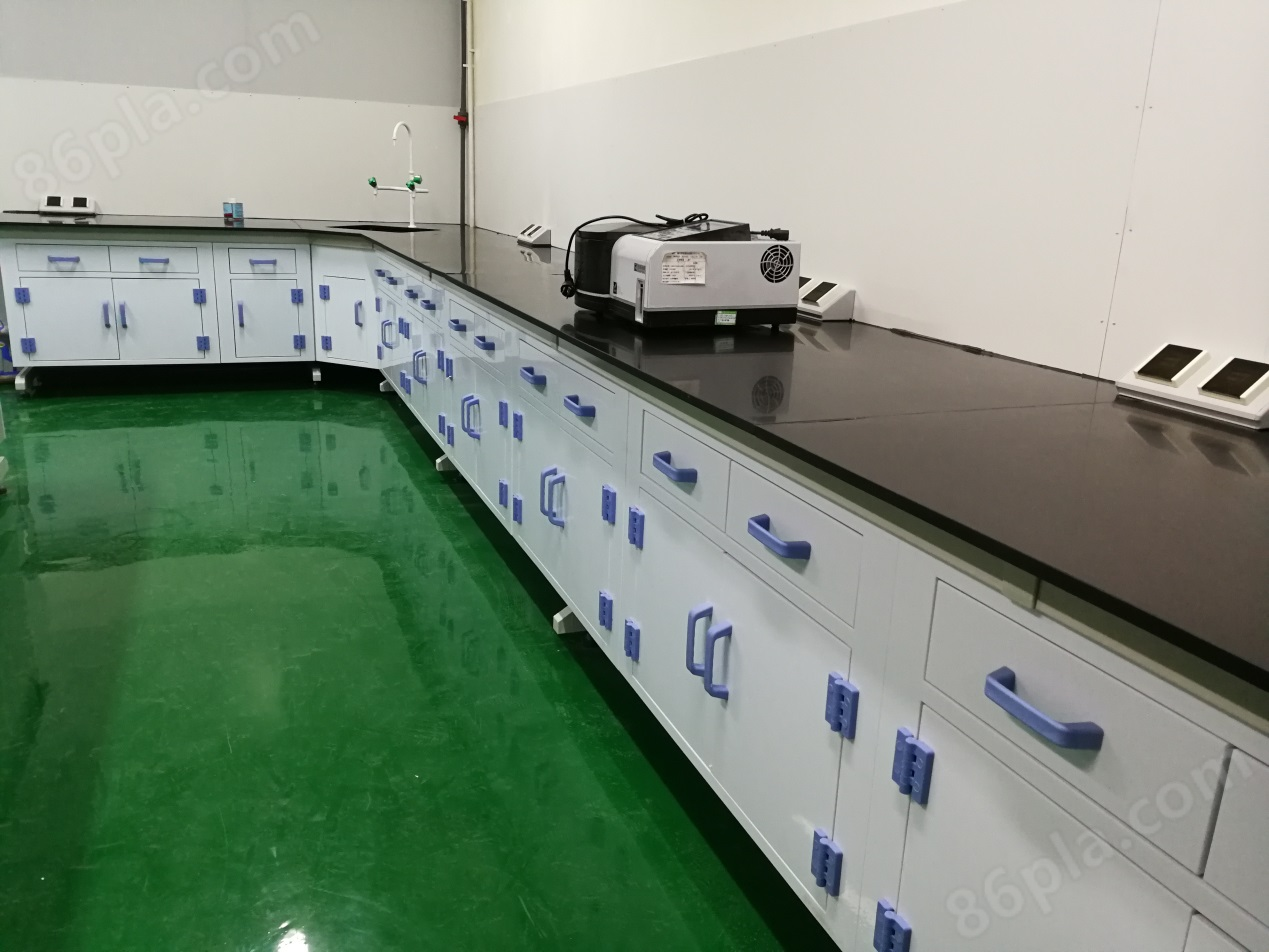
Steel and wooden platform: