-
E-mail
578046182@qq.com
-
Phone
15875642986
-
Address
No. 6, Science and Technology Innovation Coast Science and Technology Fourth Road, Jinding High tech Zone, Zhuhai City
Product Categories
Zhuhai Keyipu Laboratory Equipment Co., Ltd
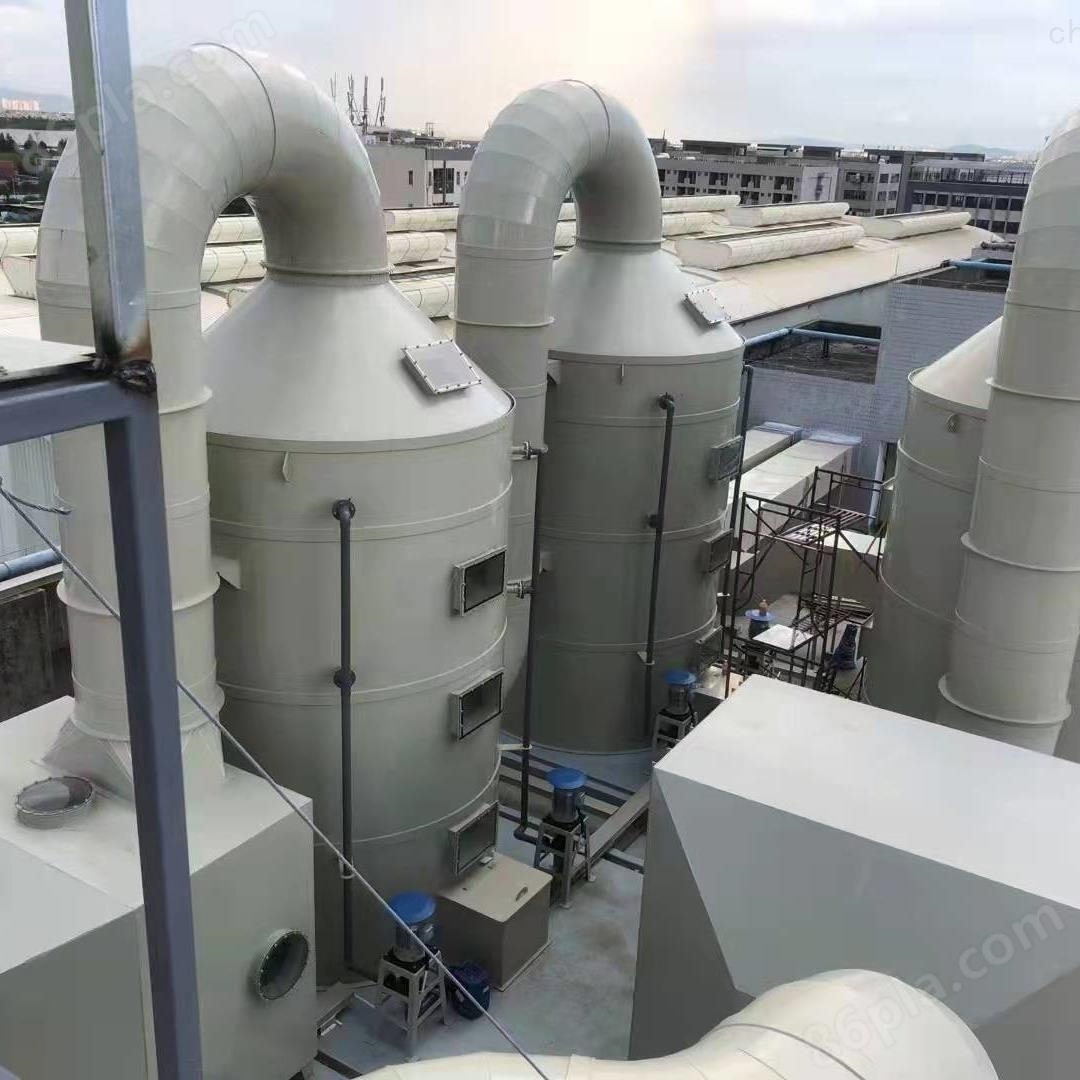
Zhuhai Ventilation System Planning
NegotiableUpdate on 01/17
- Model
- Nature of the Manufacturer
- Producers
- Product Category
- Place of Origin
Overview
Zhuhai Keyipu Laboratory Equipment Co., Ltd. specializes in laboratory ventilation systems, laboratory construction, laboratory design, laboratory ventilation systems, laboratory furniture systems, laboratory purification systems, etc. Welcome to consult.
Product Details
Zhuhai Keyipu Laboratory Equipment Co., Ltd. specializes inLaboratory ventilation systemLaboratory construction, laboratory design, laboratory ventilation system, laboratory furniture systemWelcome to inquire about laboratory purification systems, etc.
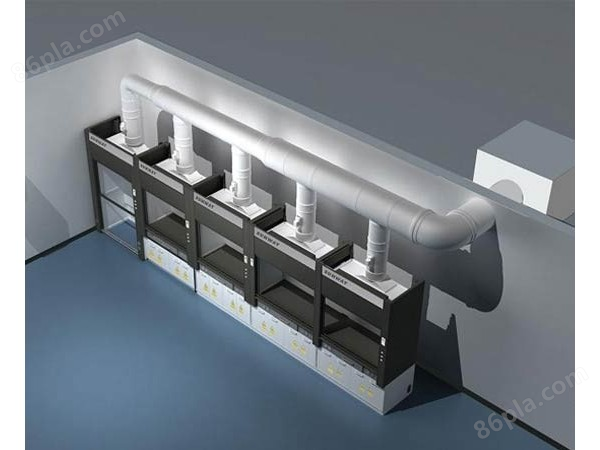
(one)Laboratory ventilation system
The laboratory should have good ventilation and air conditioning should be installed if necessary.
In laboratories that require constant temperature air conditioning, the air should maintain positive pressure. In order to eliminate indoor waste heat and control the appropriate positive pressure value, an adjustable movable orifice plate can be installed under the laboratory door to properly release indoor air.
Laboratories engaged in the work of radioactive substances, toxins, carcinogens, infectious trace amounts, corrosive and volatile liquids, etc., should maintain negative pressure in the air and use appropriate devices (such as fume hoods, exhaust equipment, etc.) to discharge harmful air outdoors in order to prevent harmful substances from spreading outward. Before discharge, filter materials (or other suitable equipment) should be used to remove harmful substances from the air to avoid environmental pollution.
Corridors, conference rooms, offices, and other places where chemical operations are not carried out should maintain fresh air. These places should maintain a certain positive pressure relative to chemical or microbiological laboratories.
The laboratory should maintain appropriate negative pressure relative to the corridor and have sufficient air entering the room. The smoke generated in chemical reactions should be absorbed and treated using appropriate methods or diluted before being discharged outdoors. Air pollution should be avoided from flowing back into the room from the fume hood or causing cross contamination.
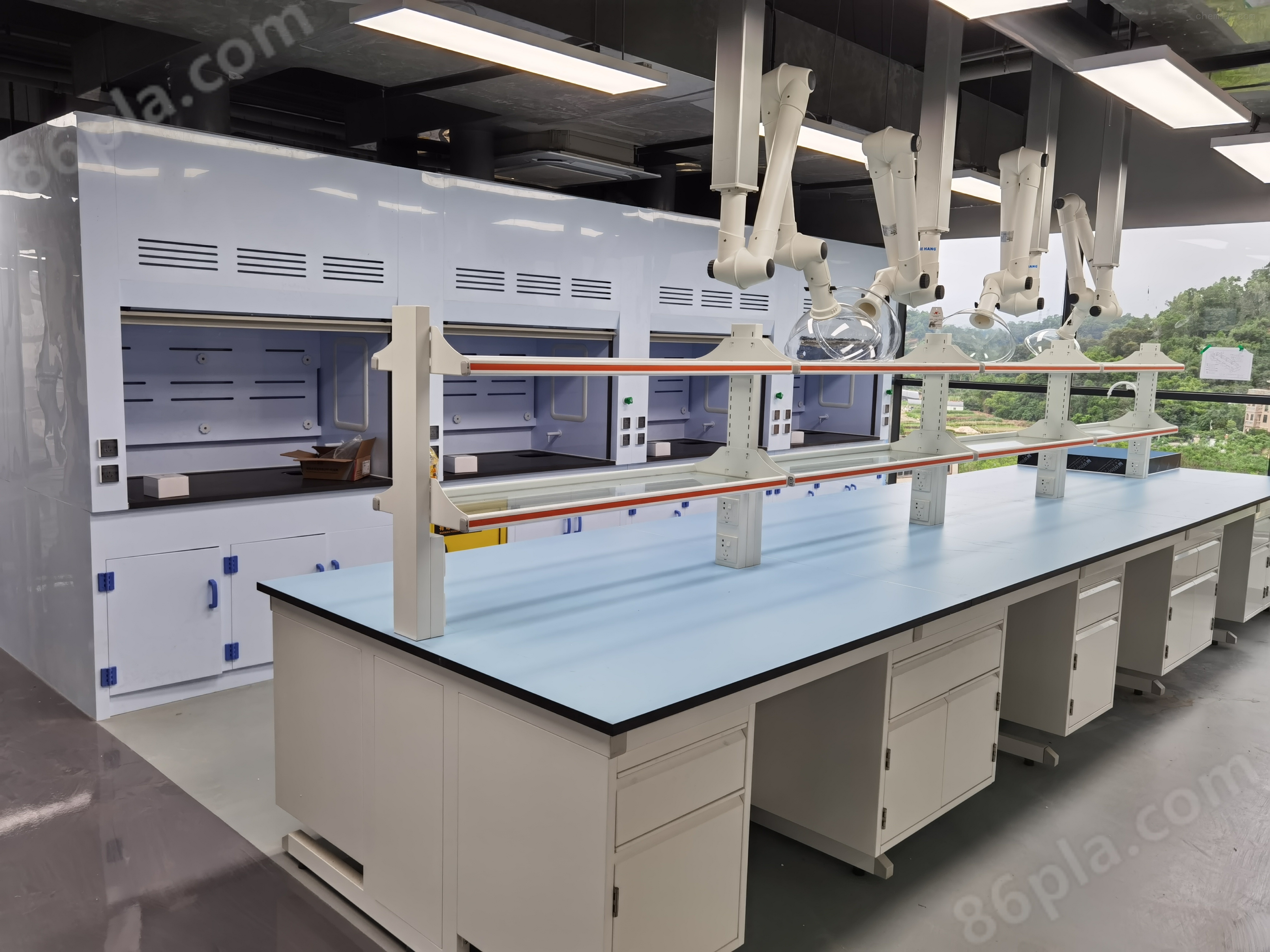
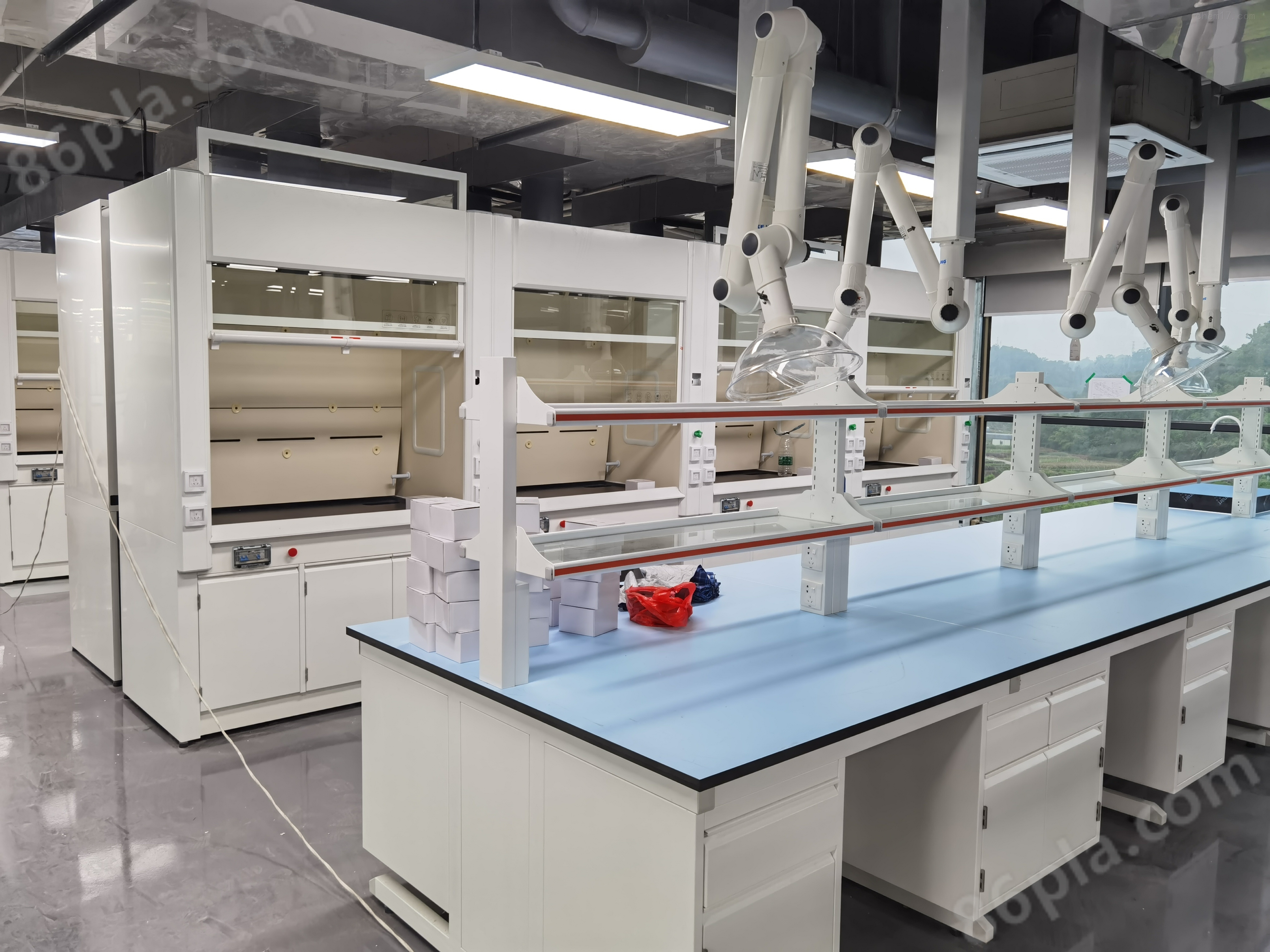
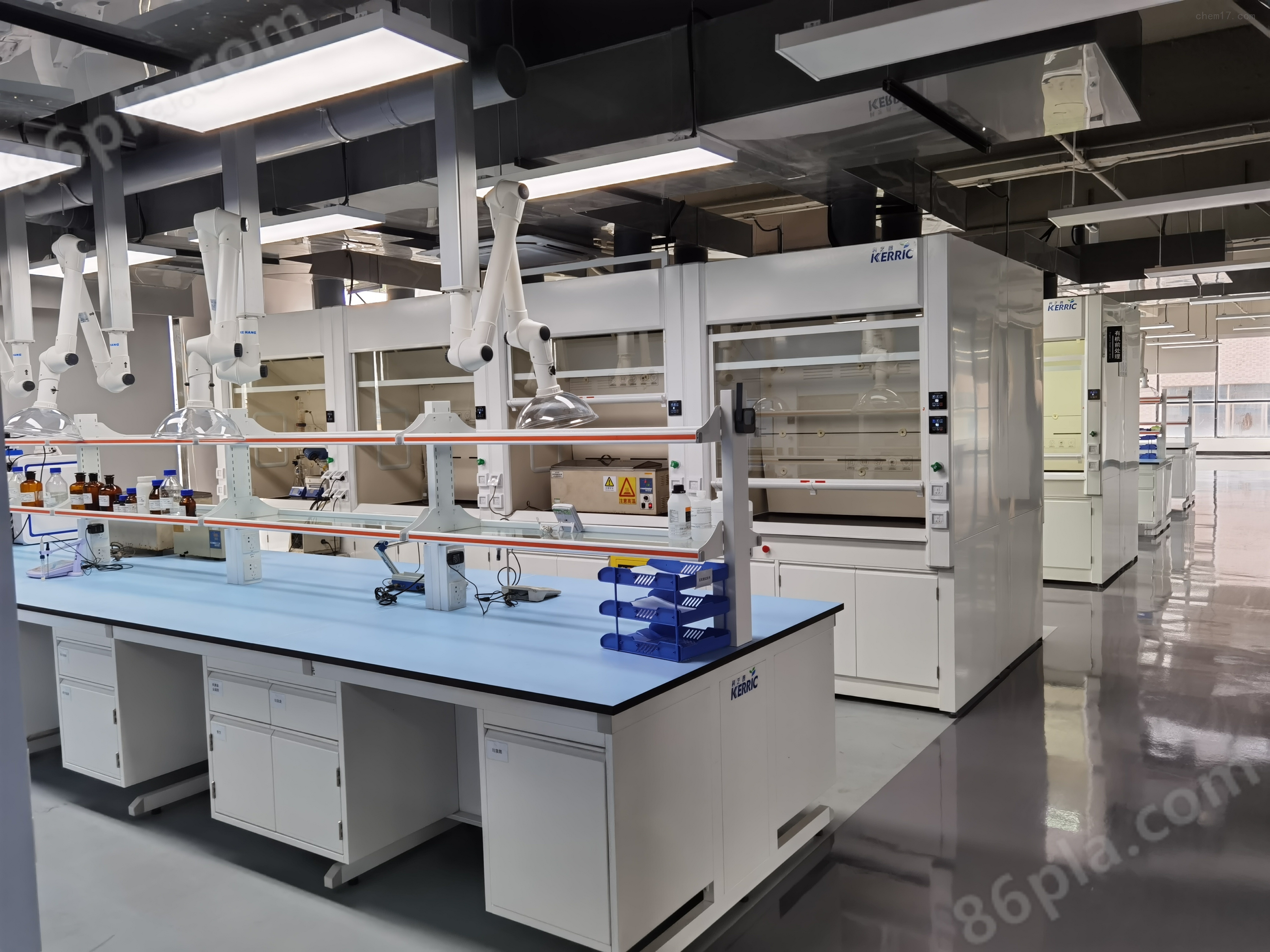
All chemical laboratories should be equipped with fume hoods to eliminate toxic smoke generated during operation and prevent indoor air pollution. In addition, fume hoods can also provide a place for safe operations.
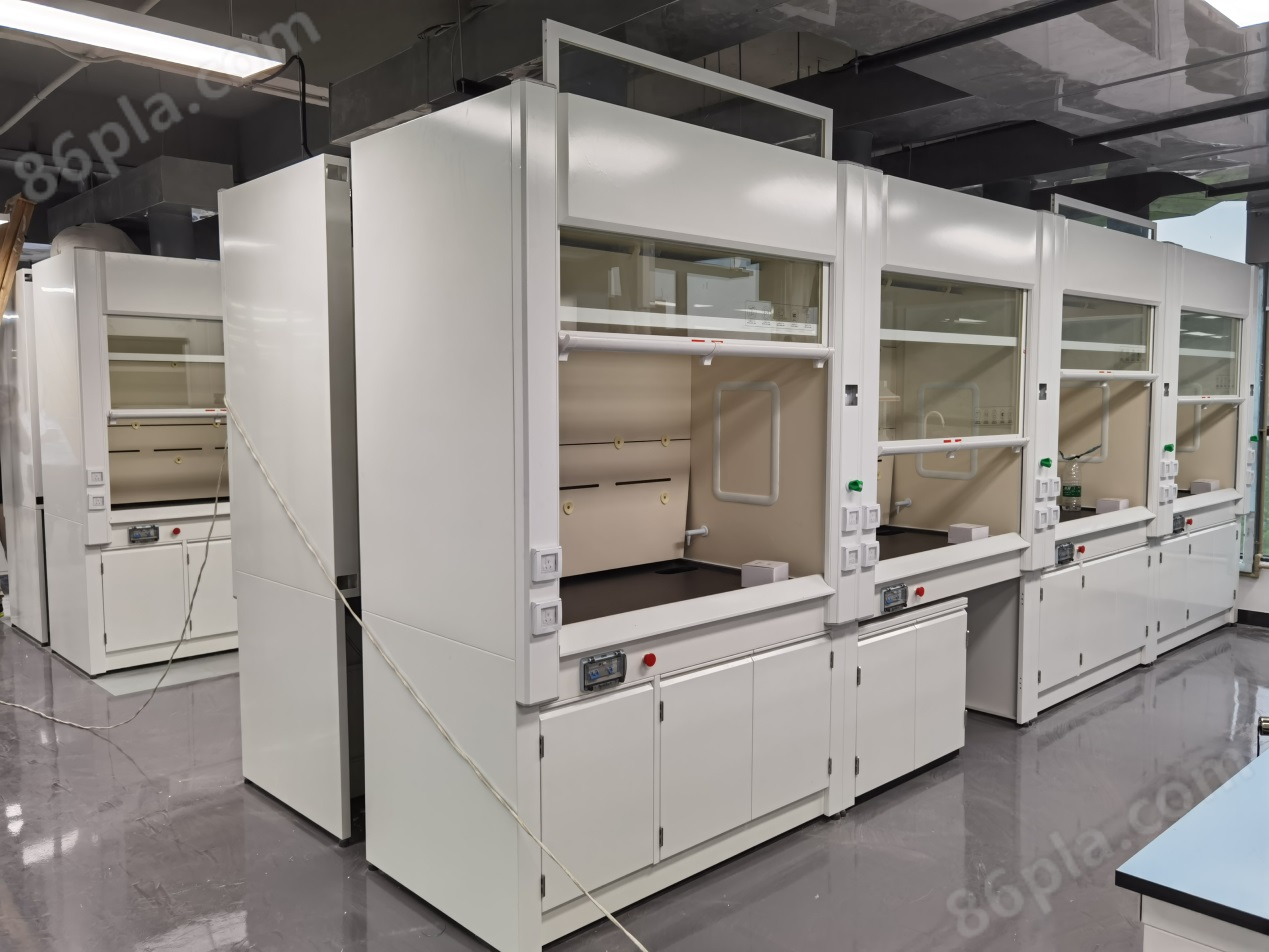
(2) Ventilation cabinet
1. Types
(1)Top Pull TypeThe structure is simple, easy to make, and relatively common. There is no baffle at the top of the cabinet, which is suitable for exothermic experiments (such as heating or experimental operations that generate a large amount of heat). However, it should be noted that for non exothermic experiments, due to uneven wind speed at the operating port, vortices are easily generated near the platform, so this type of fume hood should not be used.
(2) Slit type, with exhaust slits at the top and back, middle and lower (or only lower), which can be the same length as the cabinet.The width of the upper seam is about3. 2 centimeters,The width of the lower seam is about4. 5 centimeters higher than the tabletop by 17 and 5 centimeters. This type of ventilationCabinet operation portThe wind speed is uniform and the usage effect is good.
(3) Equipped with a bypass, an air intake gap is set on the front wall above the operating port. When the cabinet door is raised, it is covered, and when the cabinet door is close to closing, it opens. The amount of air passing through the air intake gap increases, which can maintain a stable wind speed at the operating port and is suitable for removing indoor air from the fume hood.
(4) Air supply type, equipped with an auxiliary fan to directly send 60-70% of the total exhaust air from the outside into the cabinet or operating port for exhaust, and the rest is supplied from indoors, thereby reducing the amount of indoor air discharged. It is suitable for laboratories with air conditioning to save energy. However, attention should be paid to the uniformity of the airflow at the operating port to prevent the formation of vortices inside the cabinet (which can be slowed down with metal wire mesh).
(5) Natural ventilation type, commonly used forLow risk drug levelThe heating operation utilizes the natural ventilation of indoor and outdoor temperature differences, allowing gas to be directly discharged from the top of the cabinet to the outside through exhaust pipes.Pipe top with cylindrical shapeHood to prevent foreign objects from entering. The exhaust duct should have sufficient height (e.g. over 6 meters). This type of ventilationCabinet structureExtremely simple, easy to maintain, and does not consume electricity, but not suitable for highly toxic operations.
2. Fabric Distribution
In addition, when the laboratory is narrow, it is not allowed to be in the roomNarrow areaInstall ventilation hoods facing each other on both sides to prevent obstruction of normal indoor air circulation.
When there is air conditioning, the fume hood should be located in the downwind direction of the airflow to avoid interfering with the organization of the airflow.
There should be a certain distance between the window of the fume hood and the entrance and exit of the laboratory, so that in the event of an accident (fire, explosion, release of toxic gases, etc.) inside the fume hood, indoor personnel will not be harmed when evacuating from the laboratory.
When designing a laboratory, careful consideration should also be given to the number of fume hoods.
3. Construction
(1) The operation port cabinet door can be of the up and down pull typeFlat pull typeWait.Flat pull typeSuitable for the principal's operating port or chemical experiment (glove holes can be provided on the door), it is easy to use and maintain. During the experiment, attention should be paid to closing the door to prevent eddy currents.Up and down pull availableboltHole fixationThe door leaf is more conveniently moved by a counterweight (such as lead) through a movable axle (with ball bearings or nylon pulleys) and pulled by a nylon rope (or stainless steel wire rope, synthetic resin protective steel wire rope, etc.), allowing the cabinet door leaf to slide up and down in the waxed groove. Rubber strips can be placed under the door leaf as a buffer, and metal can also be installed at the four corners of the door leafconvexHead, placed on both sides of the door扁Iron groove bracketInternally locate and locate from aboveconvexThe head slides in the groove. In addition to the above, the cabinet door can also be shakenopen typeorHanging type, etcClass structure. If it is a natural fume hood with low toxicity of harmful substances and frequent operation, it can also be considered not to install cabinet doors. Observation windows should be made of safety glass or organic glass (not less than 6mm).
(2) Workbench, the material requirements for the workbench are the same as those for the experimental bench, and it is often usableReinforced concreteIn order to improve the corrosion resistance of reagents, white ceramic tiles (or acid resistant ceramic tiles) or stainless steel veneers can be used (freshly compacted or prefabricated panels) or pressed asbestos cement. However, wooden countertops should not be used, and the outer edge of the countertop should be raised by about 20 millimeters to prevent sewage overflow. Generally, sloping countertops are not suitable.
The radioactive workbench should be able to withstand the load of lead shielding (usually required to support one ton of load), and the workbench material should be stainless steel, or a thick filter paper should be laid on the workbench of a ship and lined with itnoPermeable lining, in addition to using stainless steel or acid resistant porcelain plates to prevent the solution from escapingSplashing causedPollution. The workbench for handling mercury should be seamless.
(3) The fixed parts of the cabinet wall, side wall, and front wall should be made of glass, which can be 5mm thick. Safety glass is even better, as it still adheres to the plastic interlayer when broken. Although tempered glass has good heat shock resistance (below 250 ℃, and embedded glass and safety glass are below 50 ℃), it is not suitable for handling explosive materials because it can scatter fragments (although without edges). It is advisable to use organic glass for operation, but care should be taken not to expose it to high heat or mechanical damage,Cannot use embedded wireGlass, due to its strengthLess than the endEquipped with steel wireGlass of equal thickness, with steel wire hooks when fragments fly out, is more prone to injury. If necessary, a PVC drainage channel can be installed at the bottom of the front wall; Drain the condensate water towards two examples.
The wall frame and door can be made of materials such as wood, carbon steel, stainless steel, etc. reinforced steelCement concreteConstruction is inconvenient and not suitable for use.
The back wall can be covered with white tiles and acid resistant tiles for easy cleaning. Ventilation cabinets with explosion hazards require easy cleaning.
The baffle can be made of materials such as polyvinyl chloride, asbestos cement (coated with epoxy resin), thick glass, or stainless steel, and the color should be light white for easy identification of smoke color. The baffle should be easy to install, clean or replace. If glass is used, it can be 60 centimeters wideglassPlate docking, supported by clamps, and when using PVC baffles, excessive heating should be prevented. The baffle should be supported with stainless steel, and generally should not be made of wood, otherwise at least two coats of epoxy resin should be applied.

(4) Auxiliary devices, ventilation cabinets should be equipped with pipelines for cold water, hot water, gas, compressed air, vacuum, etc. The faucet should be located on the side wall adjacent to the openingOuter edge of wind cabinetHere. Valves should be located under the front edge of the table or on the outer frame of the operating port, or on the wall of the pipeline well next to the cabinet, power sockets, and lighting switches; The exhaust fan switch should be installed outside the cabinet.
Fluorescent lamps should be used for lighting inside the cabinet, usually up to 40 watts. To prevent corrosion, it should be located outside the cabinetTop lightInside the box, the lower part is covered with transparent material (such as 6mm organic glass) and equipped with chloroprene rubber gaskets to prevent corrosive gases from entering.Lamp box is suitableApply white paint or use whiteOrganic material forging layer(such as polyvinyl chloride).
Under the cabinet, it is usually possible to installAcid storage cabinetLined with polyvinyl chloride, equipped with polyvinyl chloride plates, and can also be covered with ceramic tiles.
(5) Basic dimensions, ventilationCabinet workThe height of the countertop should be appropriate and can be selected according to specific conditions such as the nature of the operation, the general height of the staff, and the height of the internal instruments and equipment. Generally, a height of 85-90 centimeters can be taken.
The height of the operating port is 80 centimeters. If it is too low, it will obstruct the line of sight. The net height inside the cabinet is 1, 2-1, 5 meters or higher. The cabinetThe upper part should be equipped with pipelinesInspect the cabinet and seal it to the top to prevent dust accumulation.
The depth of the fume hood is beneficial for improving the uniformity of airflow, and should not be too shallow. It can be 75-85 centimeters or slightly deeper.
Ventilation cabinet per unitThe length should be 1, 2-1, and 8 meters, and should not be too narrow. If necessary, multiple units (such as 2, 4-3, 6 meters) can be used, and a partition or movable network can be set in the middleAsk the Wall(Or not set). The size of the middle and lower seams of the slit type fume hood should be equal, and the wind speed at the seam should not be less than 5 meters per second. The width of the air duct behind the baffle should not beLess than the seam widthTwice.
4. Operating port wind speed
The fume hood should have an appropriate exhaust speed. If the speed is too low, it is not sufficient to effectively remove contaminated air, but it is also not advisable to use excessive exhaust speed to avoid unnecessary energy consumption. For chemical operations in general laboratories, ventilation should be carried out with the windows of the fume hood normally openCabinet operation portThe wind speed should not be lower than 0, 25-0, or 38 meters per second (linear velocity). For the operation of toxic steam, depending on the magnitude of toxicity and the amount of operation, it is advisable to use wind speeds of 0, 4-1, and 0 meters per second. Usually, it should be doneAny point of the operating portThe difference between the wind speed and the average wind speed at the operating port shall not exceed 20%.
When the exhaust speed is too high, the gas lamp flame can be blown out. In this case, other heat sources such as electric furnaces should be used instead.
The cross airflow outside the fume hood window can affect the ventilation efficiency of the fume hood, so efforts should be made to avoid it (such as lateral airflow generated through laboratory doors, windows, etc.). In addition, excessive back and forth movement of personnel in front of the fume hood window can also cause interference.
The exhaust speed inside the fume hood duct: For air contaminated with gases or vapors, the speed should not be less than 10 meters per second. To remove condensed humid smoke, the air duct speed should be set at 12-15 meters per second. To extract solid plasmids, the air duct speed should be set at 17, 5-22, and 5 meters per second.
5. Ventilation fan
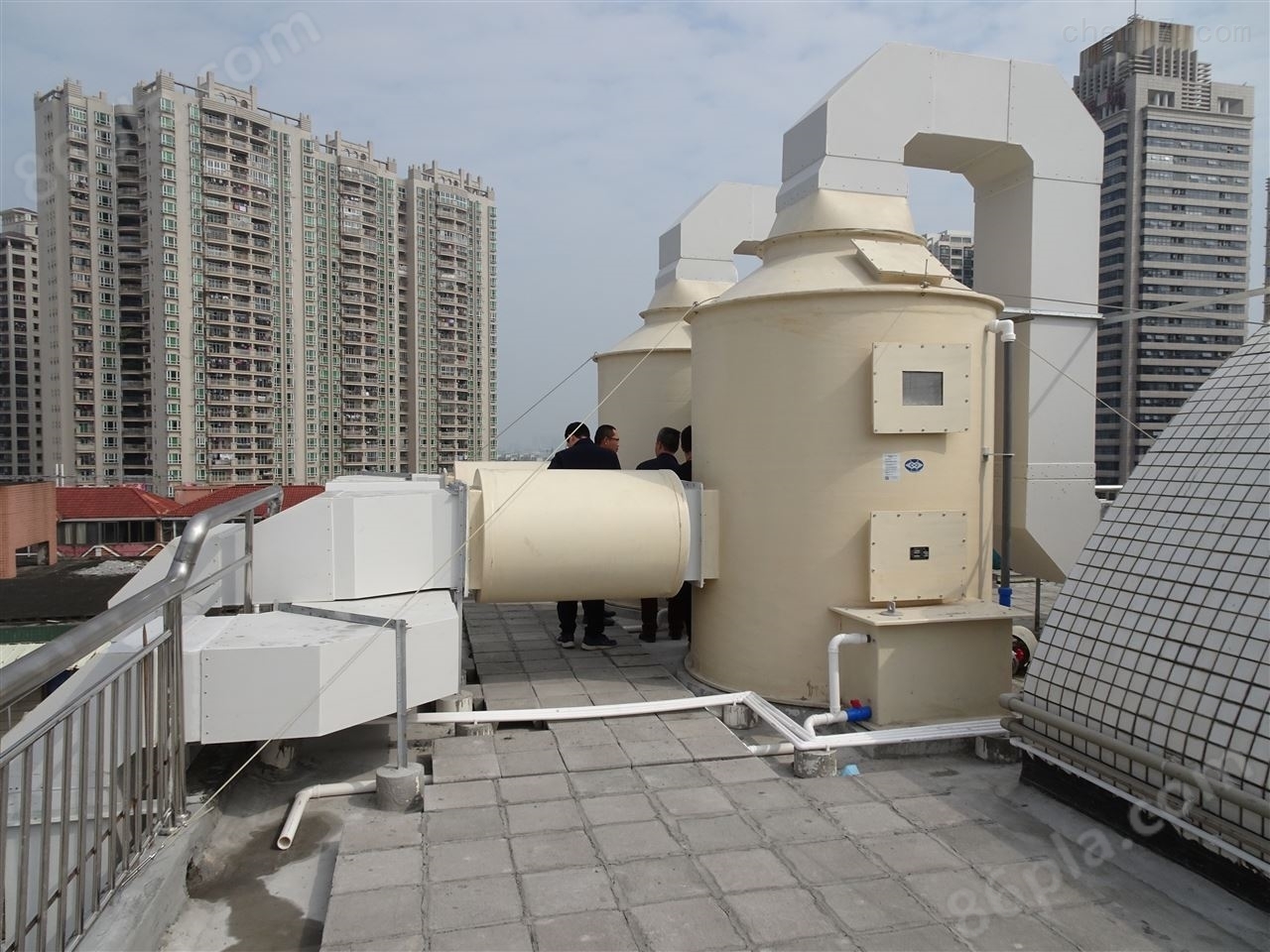
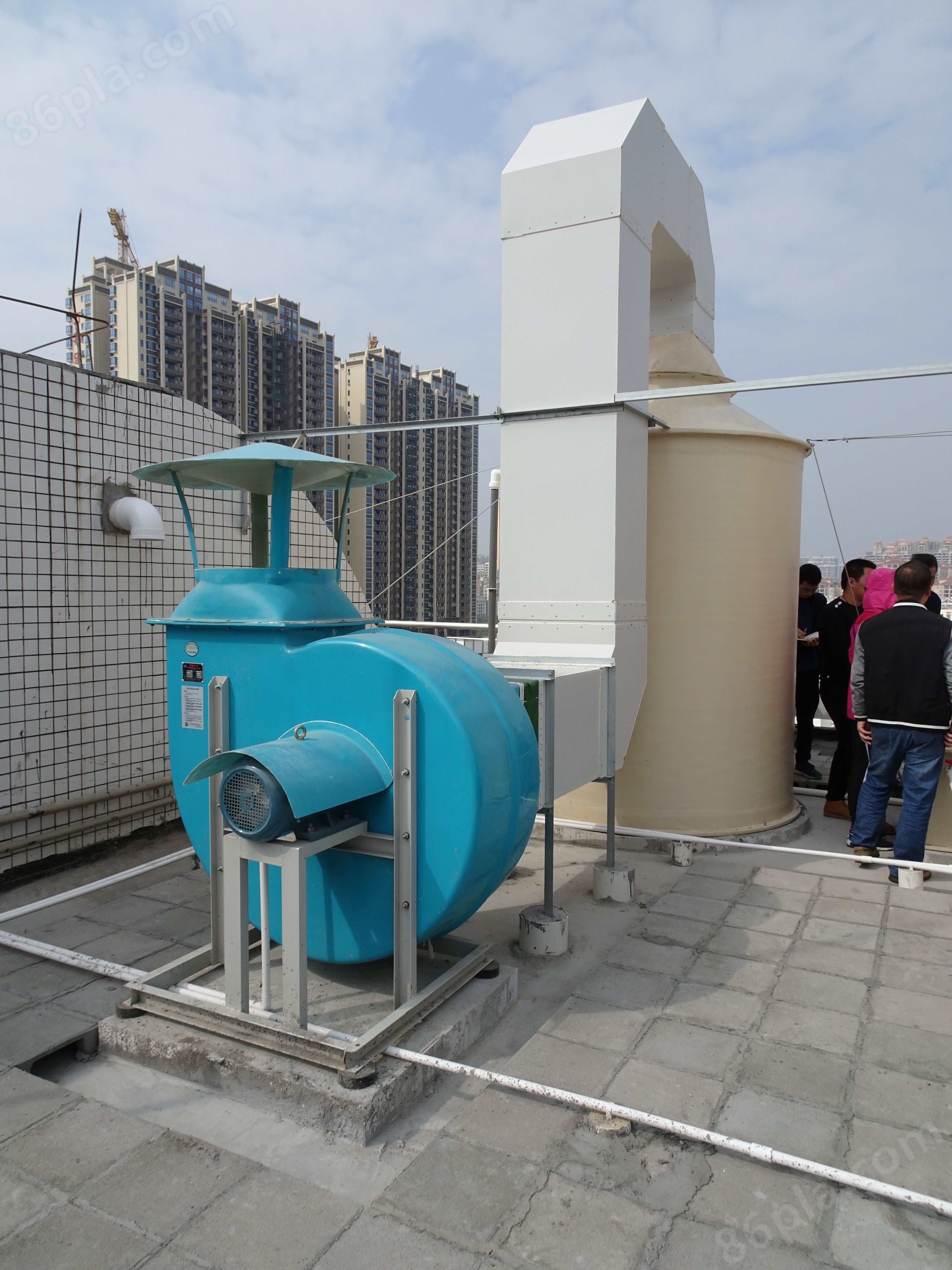
The ventilation fan should be placed on the roof (or top floor) near the exhaust outlet, and should not be directly placed on the fume hood. To keep the ducts between the fan and the fume hood under negative pressure (relative to the laboratory), once there is a leak in the air duct, polluted air will not escape into the laboratory. Usually should be implementedonecabinetoneThe independent control method of the machine, but if there are two cabinets, they should be used togetheroneMachine or adopt linkage. Fan inlet and outletWind end is suitable for installationPVC or polypropylene flexible joints are used to reduce noise.
The exhaust volume of the ventilation fan (m3/s) should be for ventilationCabinet operation portThe product of the operating port area (square meters) and the operating port wind speed (meters/second) when fully opened should usually be supplemented with 10-20% additional air volume considering adverse factors such as air duct fouling and fan blade damage.
The ventilation fan should be made of materials with good corrosion resistance, low vibration, and low noise. PVC plastic ventilation fan, explosion-proof ventilation fan or general ventilation fan can be selected according to the situation. Aluminum or stainless steel ventilation fans can be used in radioactive laboratories. The fan casing can be made of pressed asbestos cement or stainless steel. The shaft should be driven by a belt, so that the fan speed can be changed by simply changing the diameter of the impeller. Electric motors should be dual speed, with high speed used to eliminate high concentrations of harmful gases and low speed used to reduce noise.
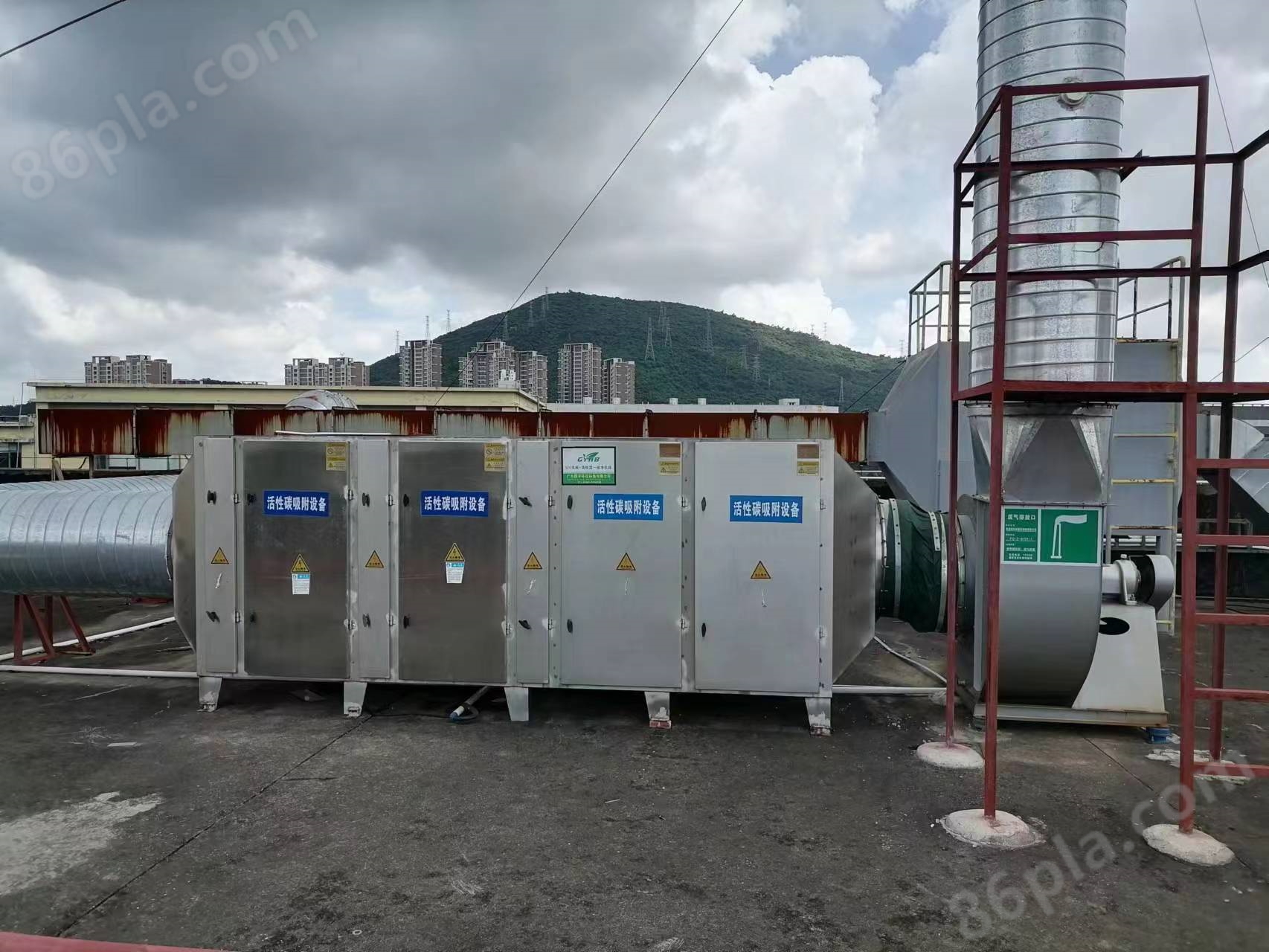
6. Classification of exhaust system and duct design
Due to the large size of the centralized exhaust system, the air volume is difficult to balance. When the system ducts are damaged or repaired, the entire ventilation cabinet cannot be used. Although each ventilation cabinet is equipped with a regulating valve, it is still inconvenient to use. The decentralized exhaust system can open and close ventilation fans as needed, without interfering with each other, and can save energy consumption. It also has low noise and vibration, and is easy to handle harmful gases of different properties. If there are two or more fume hoods in the same room, they should be classified as one system to avoid being in the same ventilation areaCabinet workAnd the other one generates backflow when not working, causing indoor pollution.
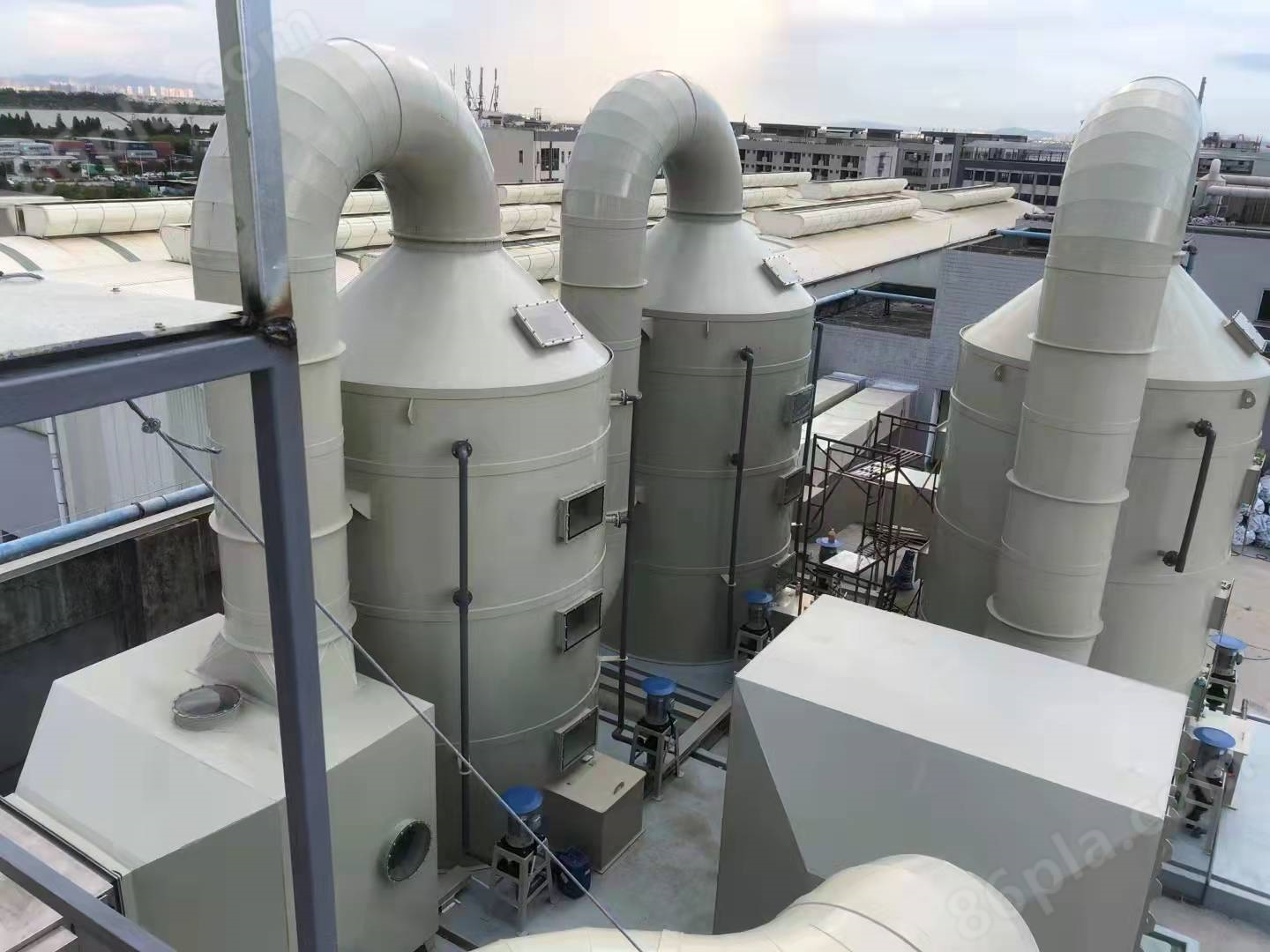
The emission height of harmful substances in the exhaust system should comply with national regulations. Usually, if there are no high-rise buildings within 50 meters, the discharge height should exceed the building by at least 2 meters. When using a vertical exhaust duct, a drainage outlet should be provided to allow for the flow of air when the fan is not in useThe bottom of the fan casingRainwater drainage. The exhaust gas should be discharged vertically upwards to facilitate dilution and diffusion. The laboratory air inlet should be located downwind of the building.
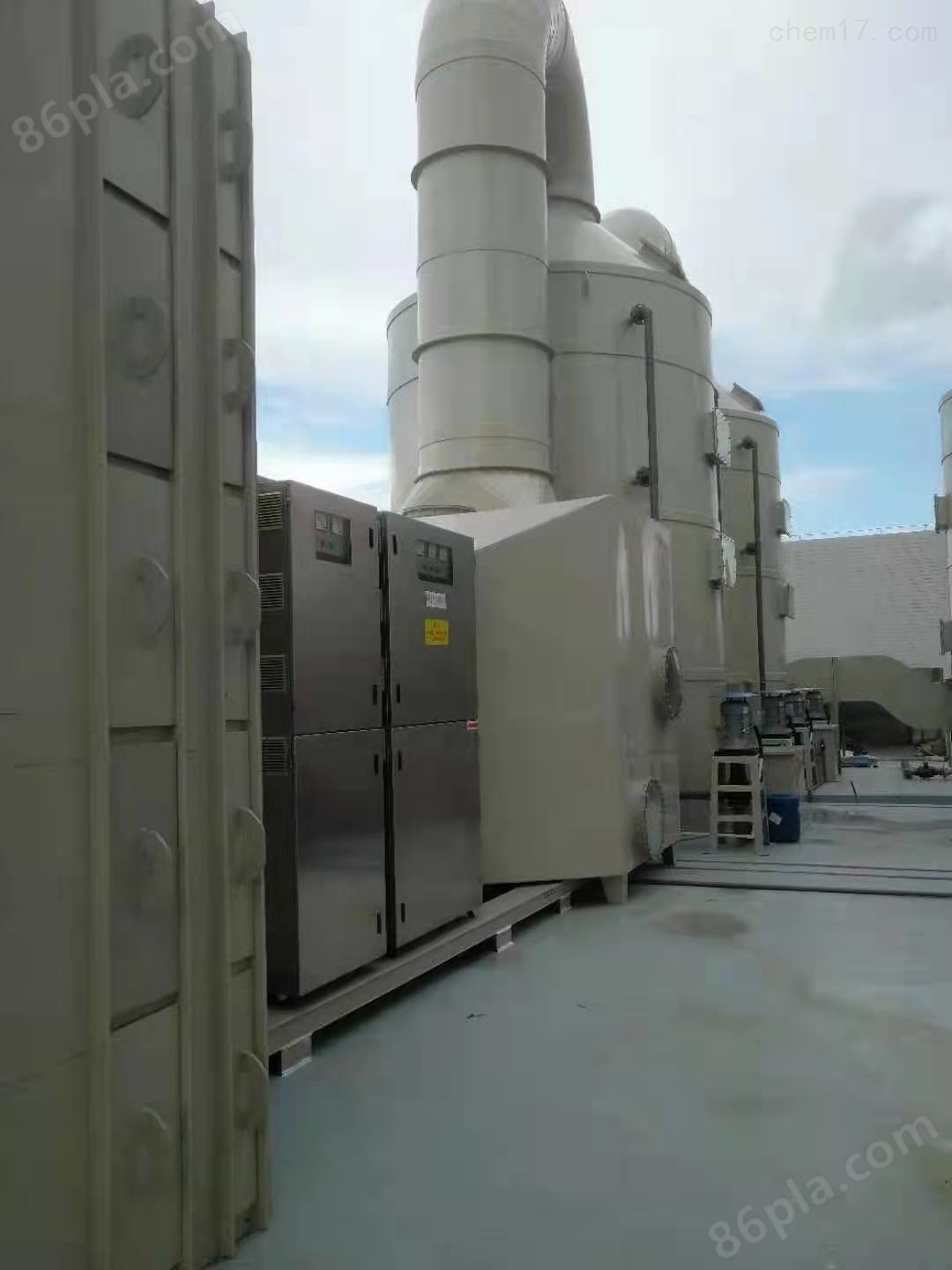
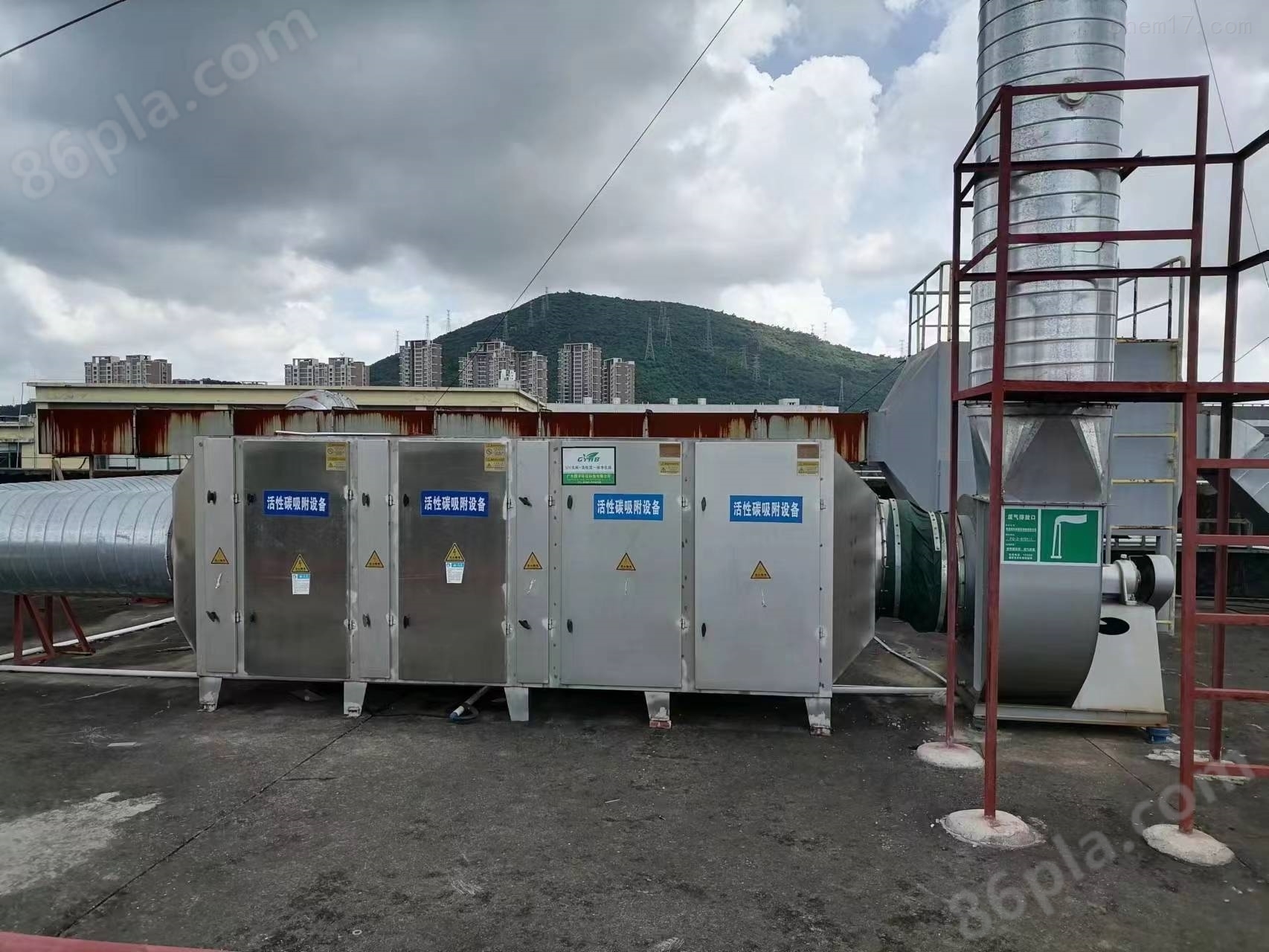
In order to avoid polluting the atmosphere, air purification devices such as air filters should be added according to the nature of chemical operations when designing fume hoods. Filter materials should be replaced promptly after a certain period of use. The properties of various filtering materials are listed in Table 11. Appropriate measures should be taken in design to ensure effective dilution and dispersion of the emitted polluted airNot heavy enoughReturn to the laboratory (such as through a window). The air duct system should be easy to maintain and clean, avoiding horizontal air ducts, right angle bends or joints, and striving to achieve streamlined airflow.
Usually, for fume hoods with a length of less than 2 meters, the diameter of the air duct should be 22 centimeters. When the length of the fume hood is 2-2,67 meters, a 30 centimeter diameter air duct can be used. The air duct should be led out from the top of the fume hood and connected to the exhaust fan, otherwise it may cause uneven airflow at the operating port.
The material of the air duct should be corrosion-resistant, and asbestos cement can generally be used(Internal application of chlorideRubber, polyvinyl chloride, galvanized iron sheet(Internally coated with epoxyTar or stainless steel, but it should be noted that polyvinyl chloride is not fire-resistant.