-
E-mail
webmaster@hb1888.com
-
Phone
13814804734
-
Address
No. 7 Renmin North Road, Zhangjiagang Modern Agriculture Demonstration Park, Jiangsu Province
Product Categories
- Traction machine, drying machine, granulator
- Extrusion Machine
- Ultrafine grinding machine
- PS, PET, PBT, PVC grinding machine
- Grinding machine accessories
- Pipe, profile, granulation production line
- New turbine type plastic milling machine
- Blender mixer
- Grinding machine processing powder display
- EVA, ABS, PP grinding machine
- LDPE, HDPE, PE milling machine
- Loading and packing machine series
- Rubber, wood plastic, cowhide grinding machine
- Crushing and shredding series
- Grinding disc plastic powder mill
- Cryogenic mill
Zhangjiagang Huibang Machinery Manufacturing Co., Ltd
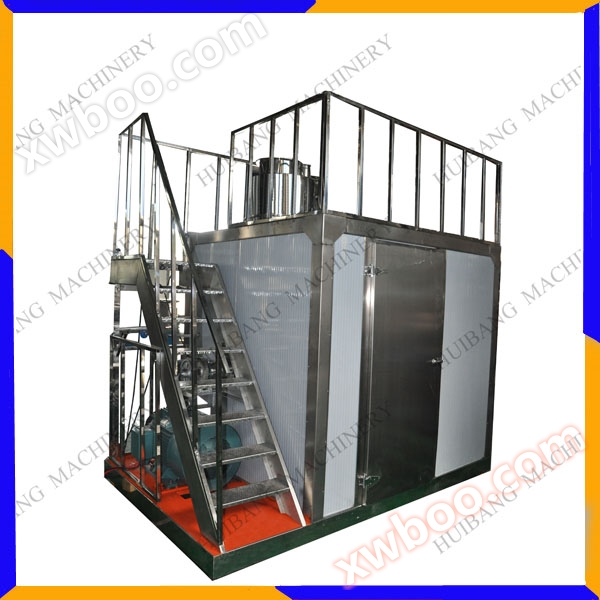
Ultra low temperature pulverizer for traditional Chinese medicine materials
NegotiableUpdate on 11/23
- Model
- Nature of the Manufacturer
- Producers
- Product Category
- Place of Origin
Overview
Chinese herbal medicine ultra-low temperature crusher can be widely used for material crushing in industries such as pharmaceuticals, food, chemicals, and national defense research
Product Details
Ultra low temperature pulverizer for traditional Chinese medicine materials

The ultra-low temperature pulverizer for traditional Chinese medicine materials can be widely used for material pulverization in industries such as pharmaceuticals, food, chemicals, and national defense research. Especially for thermosensitive substances, traditional Chinese and Western medicine, animal and plant tissues, rubber, plastics, and materials that exhibit toughness at room temperature and cannot be crushed. Low temperature crushing is the process of first freezing the above-mentioned substances to a brittle point. Then it is crushed to the required fineness in the crusher, and the original components will not be destroyed. Substances that are flammable and explosive at room temperature can also be crushed by low-temperature crushers, resulting in more significant effects.
Grinding of common traditional Chinese medicines:Angelica sinensis, green tea, Xiqingguo, Danshen, Ganoderma lucidum spores, Cordyceps sinensis, Tibetan green fruit, Sanqi, Ciwujia, Dingxincao, Ganoderma lucidum powder, konjac flour, Tianqi, shiitake mushrooms, ginseng, sheep placenta, pine pollen, bee pollen, kaempferol, kudzu root, Lipu taro, licorice powder, jujube charcoal, goji berry, bitter gourd, deer bone powder, ginkgo biloba white fruit, etc
Grinding of common Western medicines:Urotropin, ibuprofen, theophylline, cilostazol, vitamin C, black cohosphamide, carbamazepine, wine trough, nifedipine, turtle powder, fenofibrate, acyclovir, albendazole, nifedipine, chlorpromazine, meroxicam, amoxicillin, salbutamol alkaloids, hydrocortisone, oxytetracycline, diclofenac, metoclopramide, promethamine, fluoroquinolones, clopidogrel, prednisone, propafenone, hydroxycellulose, etc
Grinding of common pesticides:Herbicides, fungicides, insecticides, wettable powders, anti mold and antibacterial agents, chlorothalonil, sulfonamide TC, imidacloprid, imidacloprid, carbendazim, clotrimazole, thiamethoxam, etc.

- Working principle of cryogenic crusher
- Structural composition of cryogenic crusher
2. Use a spiral feeder to feed the material that has reached cooling embrittlement into the crusher chamber.
3. The independent rolling pair ensures the normal operation of the machine in low-temperature environments, and the refrigerant re injection compensation offsets the heat generated during the material crushing process. The injection amount of refrigerant is adjusted through a low-temperature valve, and the high-pressure airflow generated during material crushing and the expansion airflow of refrigerant due to pressure loss are discharged from the machine chamber through the rotating window of the static classifier of the crusher. After the material is crushed to the required fineness, it enters the discharge system along with the airflow. The coarse material collides with the stationary classifier blades and bounces back into the crusher chamber, achieving the coarse step classification effect.
4. By using an induced draft fan to send the material along with the expanded airflow into the outer classifier, and adjusting the speed of the classifier impeller, we can achieve the desired fineness. The use of an external classifier reduces the time required for material reheating during screening, minimizes labor, shortens production cycles, and reduces usage sites for users. The crushed materials can be directly packaged and transported.
5. After classification, the coarse material is fed into the feeding mechanism through a pipeline and enters the crusher for re crushing. The fine material enters the cyclone separator, which separates the material from the air and deposits it at the bottom of the cyclone separator through rotation.
6. The inclined angle discharge system is used for discharging, and the inclined spiral discharge system ensures that the air in the cyclone separator does not flow out from the discharge port.
7. The gas mixture containing rare material particles flowing out from above the cyclone separator re enters the second cyclone separation, and the final separation will transport the air flow with a certain cold source effect through the pipeline to the feed inlet of the crusher host.


Similar Product Recommend


