-
E-mail
564481047@qq.com
-
Phone
13706223809
-
Address
Intersection of New Wukesong Road and New 204 National Highway in Leyu Town, Zhangjiagang City, Suzhou City, Jiangsu Province
Product Categories
Zhangjiagang Huade Machinery Technology Co., Ltd
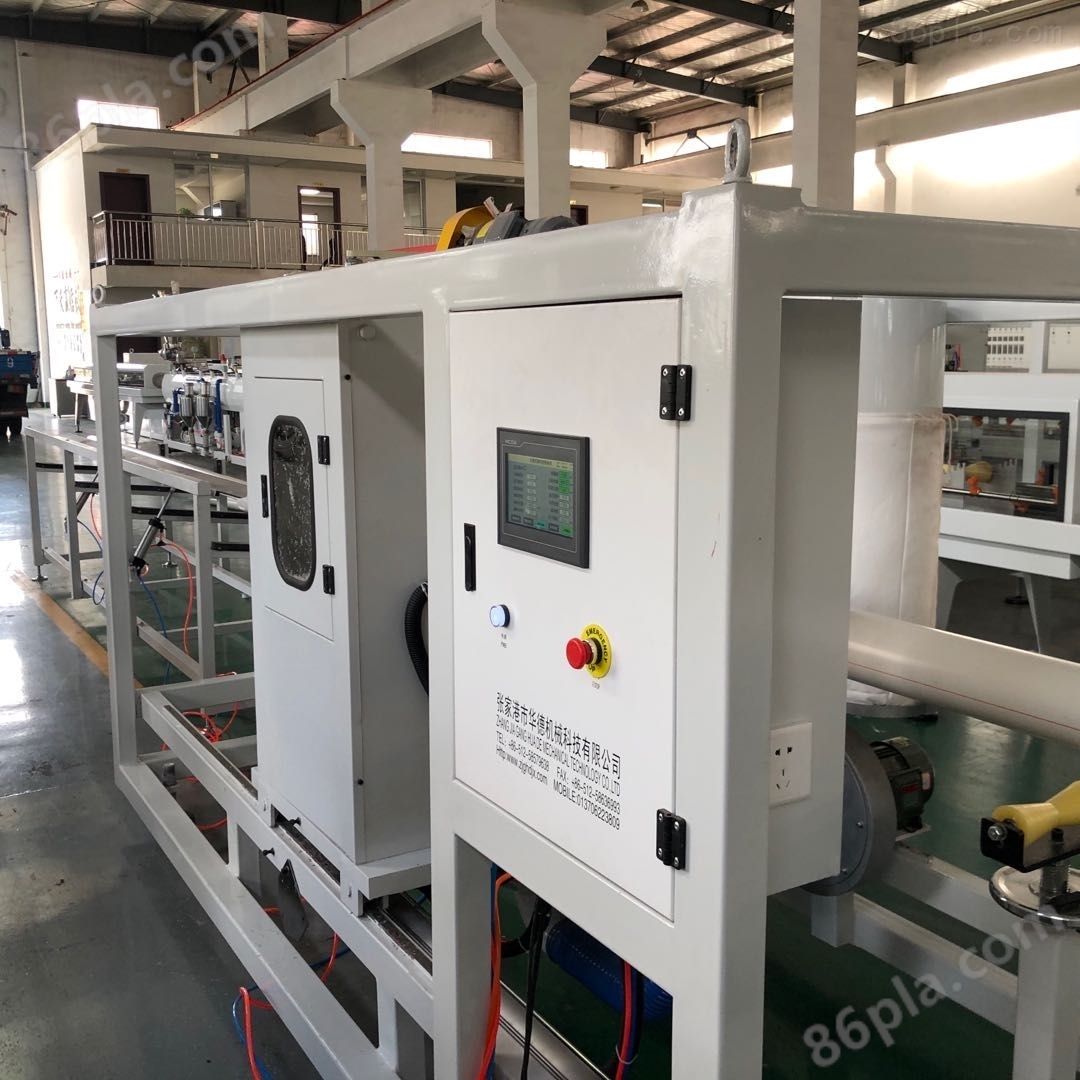
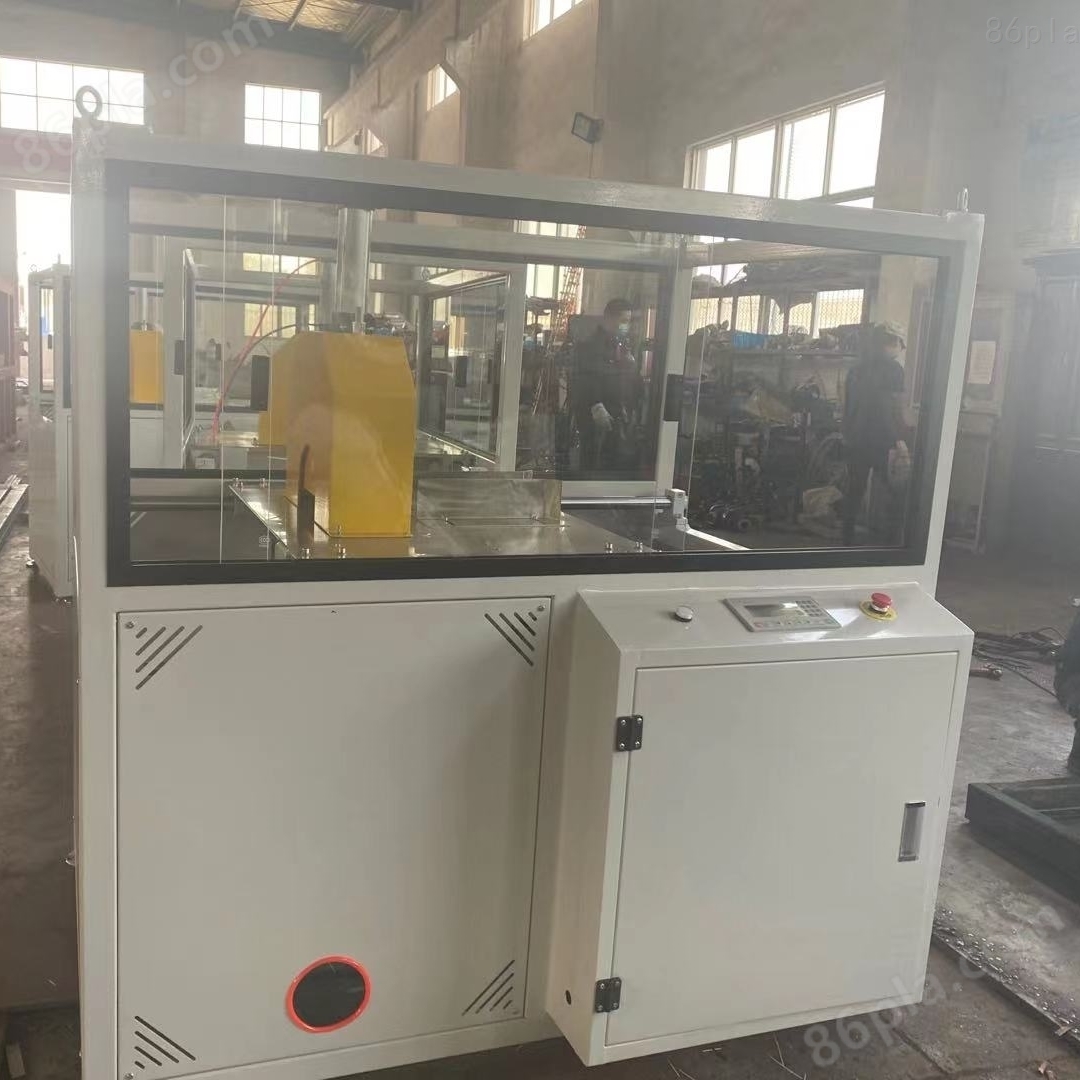
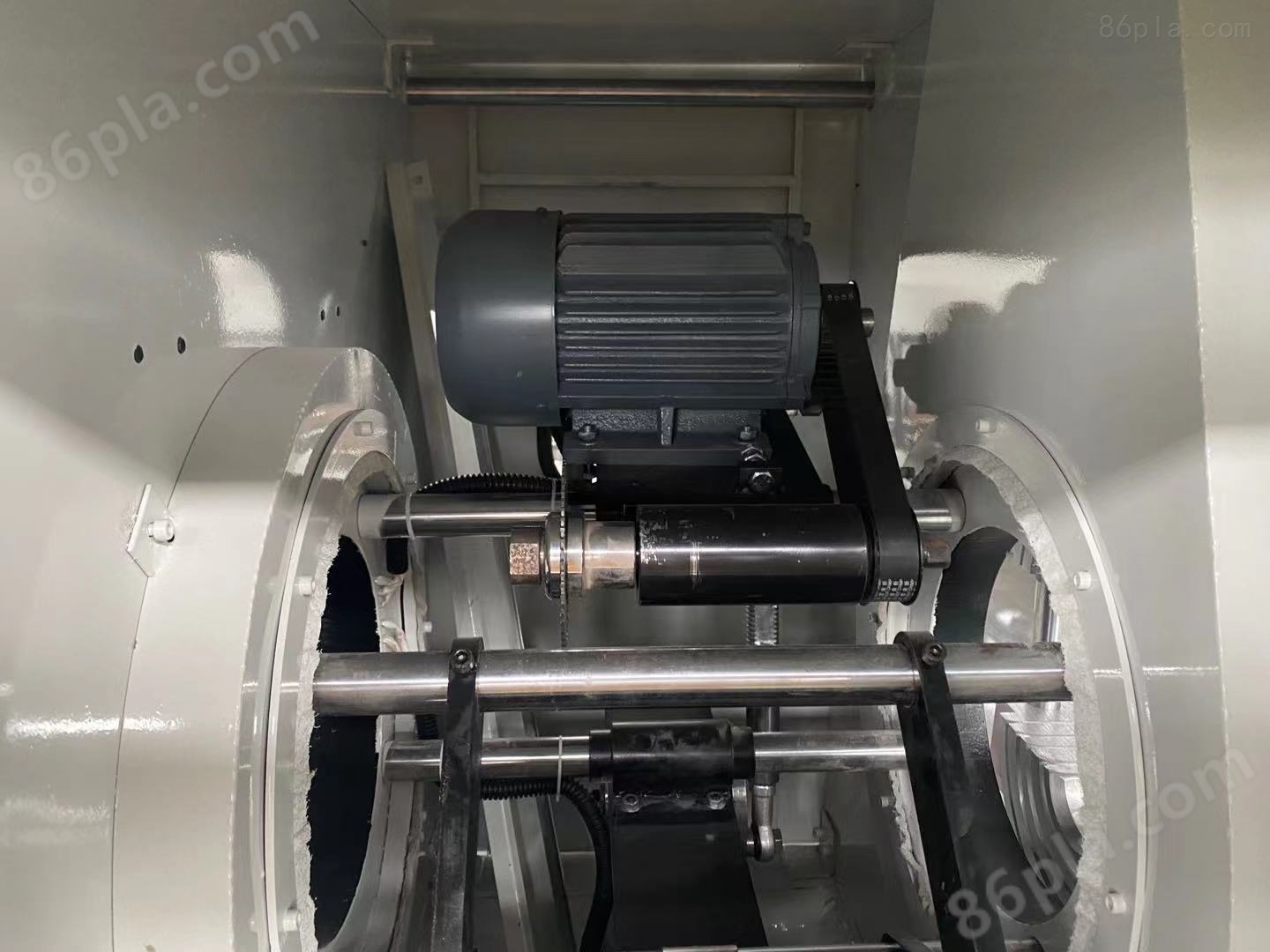
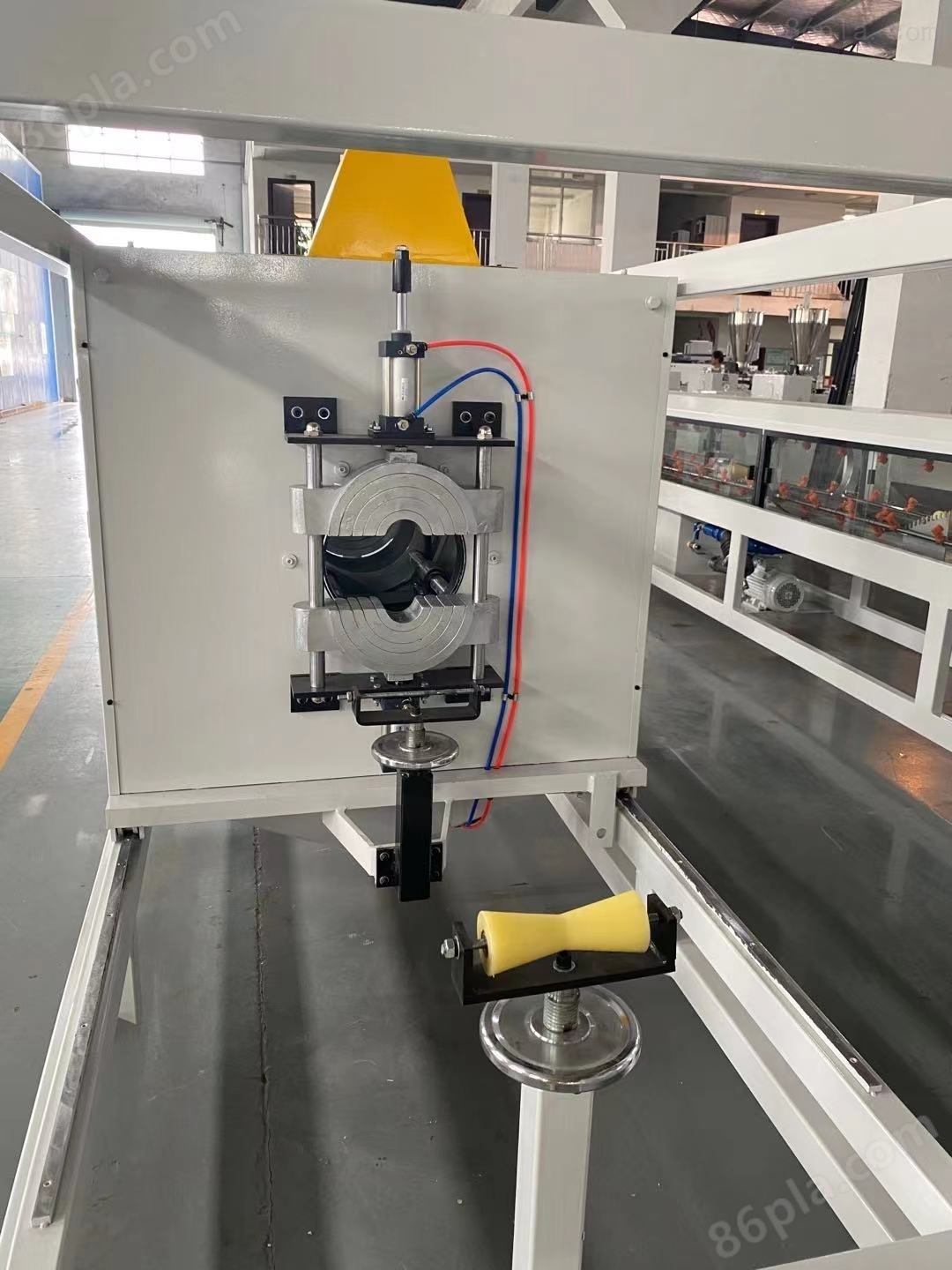
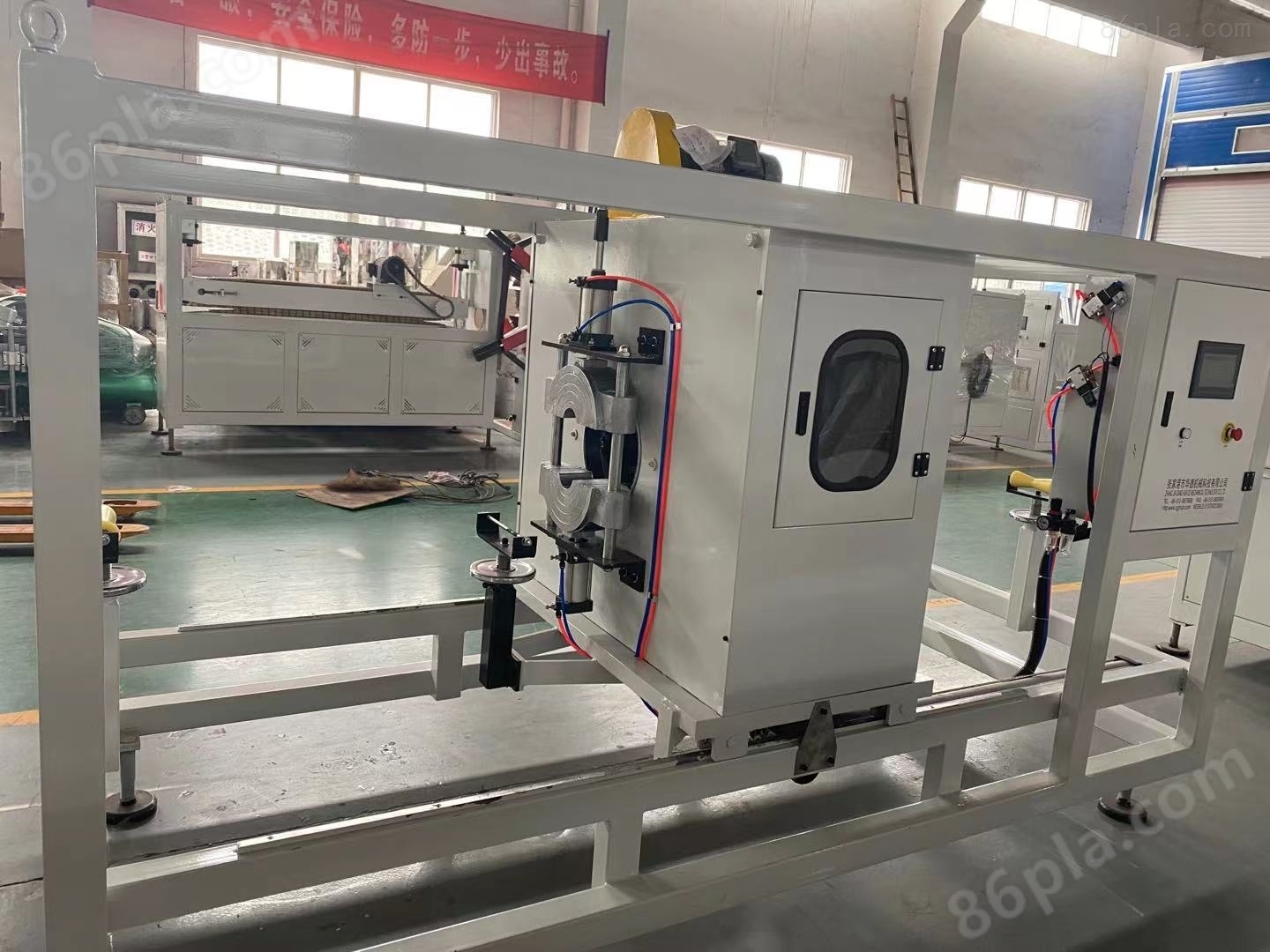
Pneumatic plastic pipe cutting machine
NegotiableUpdate on 01/17
- Model
- Nature of the Manufacturer
- Producers
- Product Category
- Place of Origin
Overview
The pneumatic plastic pipe cutting machine adopts PLC control and pneumatic hydraulic control. Equipped with a dust bag, the circuit is neat and can be chamfered. Fast cutting speed, good effect, no debris, easy to operate
Product Details
Pneumatic plastic pipe cutting machineIntroduction:
Suitable for cutting plastic pipes of various materials such as PPr, PE, PVC, ABS, etc., especially for large-diameter plastic pipes. Adopting PLC control and pneumatic hydraulic control. Equipped with a dust bag, the circuit is neat and can be chamfered. Fast cutting speed, good effect, no debris, easy to operate.
Pneumatic plastic pipe cutting machineMaintenance and upkeep:
1、 Daily maintenance and upkeep:
1. It is necessary to clean the dirt on the machine tool and guide rail every working day to keep the bed clean. At the end of the workday, turn off the air source and power supply, and at the same time, exhaust the residual air in the machine tool hose
If leaving the machine for a long time, turn off the power to prevent non professionals from operating it
3. Pay attention to observing whether there is lubricating oil on the horizontal and vertical guide rails and rack surfaces of the machine to maintain good lubrication
II Weekly maintenance and upkeep:
1. The machine should be thoroughly cleaned every week, including the horizontal and vertical guide rails, transmission gears and racks, and lubricated with oil
2. Check whether the horizontal and vertical rail wipers are working properly, and replace them in a timely manner if they are not working properly
3. Check if all cutting torches are loose, clean the garbage from the muzzle to maintain normal operation
4. If there is an automatic height adjustment device, check whether it is sensitive and whether the probe needs to be replaced
5. Check if the plasma cutting nozzle and electrode are damaged and if they need to be replaced
3、 Quarterly maintenance and upkeep:
1. Check if there is any garbage in the main air inlet, and if all valves and pressure gauges are working properly
2. Check if all tracheal joints are loose and if all tracheal straps are undamaged. Tighten or replace as necessary
3. Check all transmission parts for looseness, inspect the meshing of gears and racks, and make adjustments if necessary
4. Release the clamping device and manually push the pulley to check if it can come and go freely. If there are any abnormal situations, adjust or replace it in a timely manner
5. Check if the clamping block, steel strip, and guide wheel are loose, and if necessary, adjust the tightness of the steel strip
6. Check the performance of all buttons and selection switches, replace any damaged ones, and draw comprehensive inspection graphics to test the accuracy of the machine

Similar Product Recommend


