-
E-mail
lemon.wu@fxfoodmachine.com
-
Phone
15089672015
-
Address
1-2 Langqingxuan, Jingtai Road, Zhaoqing, Guangdong, China
Product Categories
Zhaoqing Fengxiang Catering Equipment Co., Ltd


Cooked meat slicer
NegotiableUpdate on 01/17
- Model
- Nature of the Manufacturer
- Producers
- Product Category
- Place of Origin
Overview
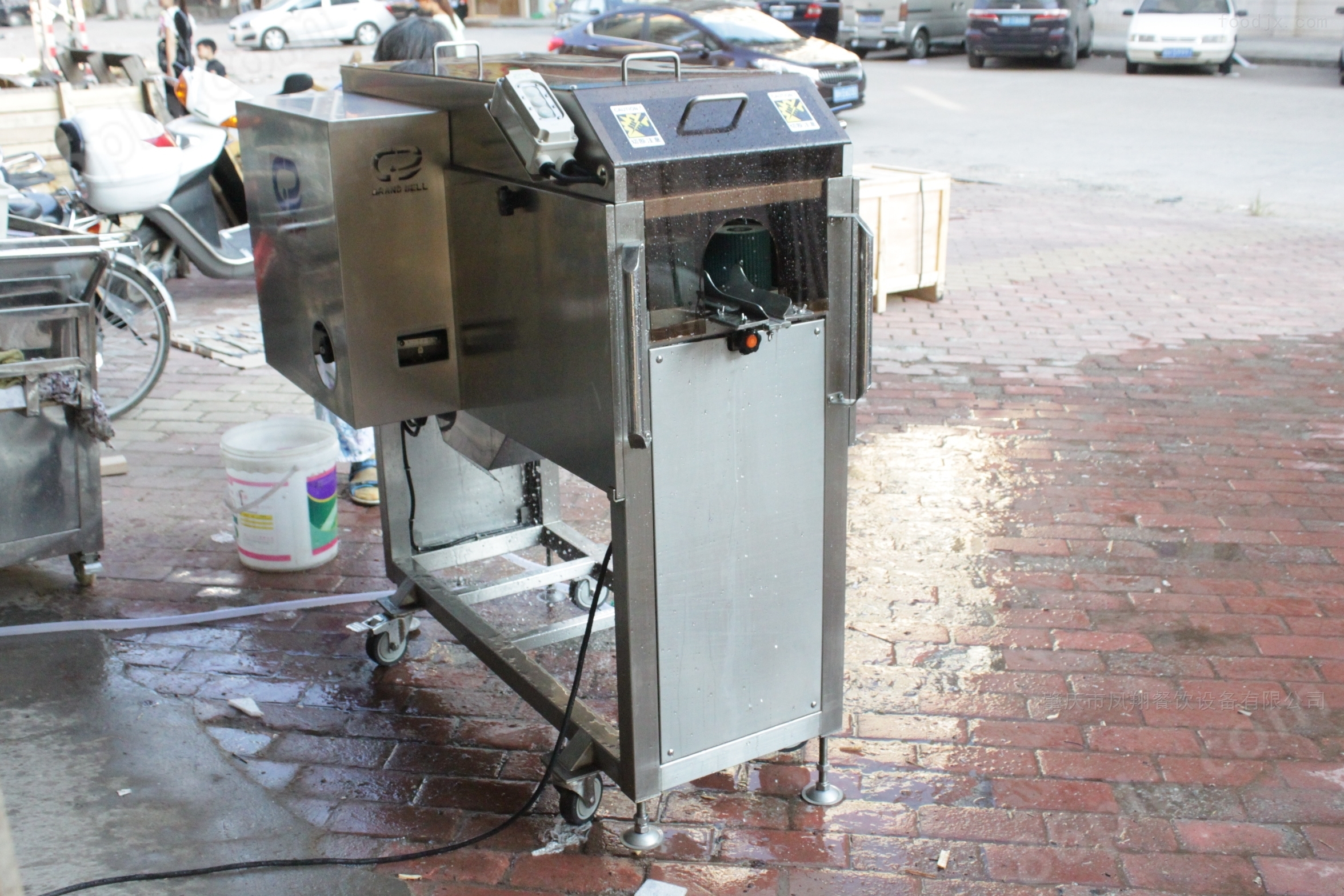
Double frequency conversion cooked meat slicer Product description: This machine uses special double blade or single blade to cut Grilled pork, braised meat, pig's scalp, pig's ear, tripe, fat sausage, beef and other cooked meat into strips and slices. The discharge port is connected to the conveyor belt, so that the cut materials are neatly arranged and can be directly loaded into trays without the need for arrangement. Suitable for use in fast food industry, supermarkets, large canteens, and food industry.
Product Details
Product Description: How to Translate
This machine adopts special double blade or single blade to cut Grilled pork, braised meat, pig's scalp, pig's ear, tripe, fat sausage, beef and other cooked meat into strips and slices.
The discharge port is connected to the conveyor belt, so that the cut materials are neatly arranged and can be directly loaded into trays without the need for arrangement. Suitable for use in fast food industry, supermarkets, large canteens, and food industry.
Dual frequency conversion cooked meat slicer

Main parameters:
| Overall dimensions | power | output | voltage | cutting size | belt width |
| 1500*600*1450mm | 2.25kw | 500-800kg/h | 380V | 0-40mm | 145mm |
Product details:

Dual frequency conversion cooked meat slicer


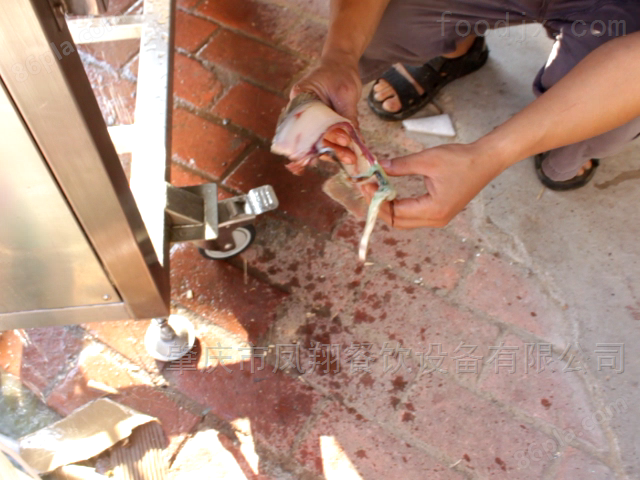
Sliced raw meat:


Sliced cooked meat:


The content of equipment maintenance is to keep the equipment clean, tidy, well lubricated, and safe to operate, including timely tightening of loose fasteners, adjusting the gaps between moving parts, etc. In short, it is the cross operation method of "cleaning, lubricating, fastening, adjusting, and anti-corrosion". Practice has proven that the lifespan of equipment is largely determined by the quality of maintenance and upkeep. Maintenance can be divided into daily maintenance, first level maintenance, second level maintenance, third level maintenance, etc. based on the workload and difficulty level.
Daily maintenance, also known as routine maintenance. The main content is to clean, lubricate, tighten parts that are prone to loosening, and check the integrity of parts and components. There are relatively few maintenance items and parts of this type, most of which are located outside the equipment.
First level maintenance mainly involves general tightening, cleaning, lubrication, tightening, and partial adjustments. Daily maintenance and first level maintenance are generally undertaken by operators.
Second level maintenance. The main content includes internal cleaning, lubrication, local disassembly inspection, and adjustment.
Third level maintenance. The main task is to disassemble, inspect, and adjust the main body of the equipment, and replace parts that have reached the specified wear limit if necessary. In addition, it is necessary to measure, identify, and record the wear of the main components. Secondary and tertiary maintenance are generally undertaken by dedicated maintenance workers with the participation of operators.