-
E-mail
csl3616@163.com
-
Phone
13965983616
-
Address
No. 8 Tianchang Economic Development Zone
Product Categories
Anhui Hongyun Instrument Cable Co., Ltd
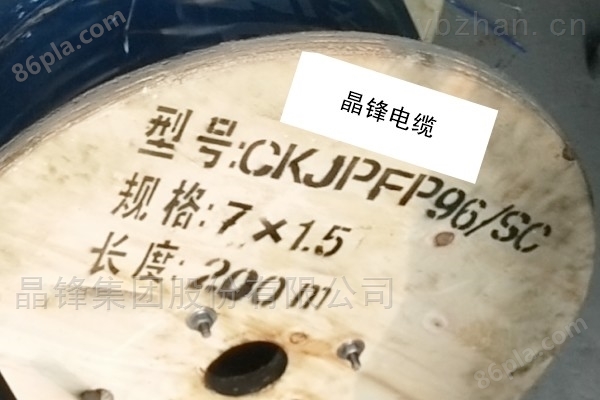
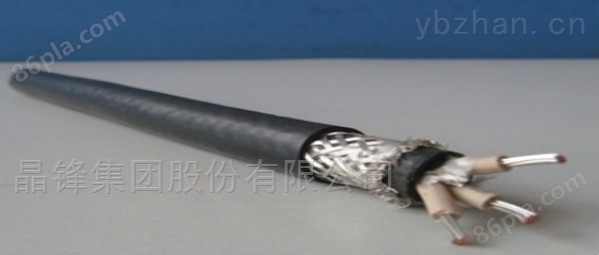
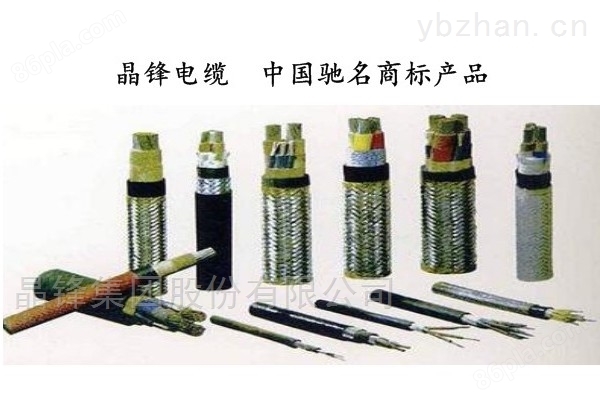
Cjpj85 marine cable
NegotiableUpdate on 01/16
- Model
- Nature of the Manufacturer
- Producers
- Product Category
- Place of Origin
Overview
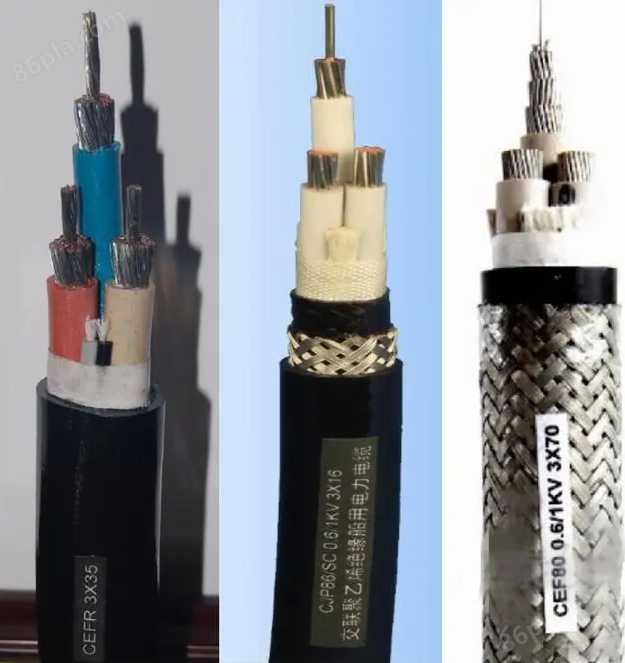
CKJPF83/SC Marine Cable - The marine cable series products manufactured by Jingfeng Group Co., Ltd. are suitable for power, lighting, and general control devices of various ships in rivers and seas, as well as offshore oil platforms and other water buildings. The same applies to industrial and mining enterprises such as metallurgy, chemical industry, and power.
Product Details

Jingfeng Group Co., Ltd. has always adhered to the development tenet of "technology casting, continuous improvement, and sincere service to customers", constantly following the corporate spirit of "pursuit, strict pragmatism, standardization and trustworthiness", actively providing services to our customers, and promoting mutual development and common progress.
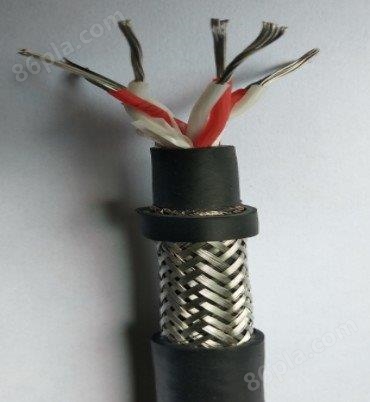
Marine communication cables can be produced using ethylene propylene insulation, cross-linked polyethylene insulation, and polyvinyl chloride insulation according to user needs. Mainly applicable to signal transmission and control systems in various river and sea vessel communication, electronic computers, and information processing equipment. According to their characteristics, they can be classified into ordinary type, flame retardant type, low smoke and low halogen type, low smoke and halogen-free type, fire-resistant type, etc.
Model specifications, combustion characteristics, and rated voltage
|
model |
combustion characteristics |
core count |
Nominal cross-section |
Rated voltage (KV) |
temperature |
| CHEF、CHEF80、CHEF90、CHEF82、CHEF92、CHEV80、 CHEV90、CHEV82、CHEV92、CHE82、CHEF8F、CHE8F |
DA SA NA |
1X2-48X2 | 0.3-1.5 |
0.25 |
E:85 V:70 |
| CHV80、CHV82、CHV90、CHV92、CHVV80 CHVV90、CHVV82、CHVV92、CHVVP CHVVP80、CHVV90、CHVVP82、CHVVP92 CHV8292、CHV8292、CHEFP、CHEFP80、CHEF82 CHEF90、CHEFP90、CHEFP92、CHEFV8290、 CHV8292、CHV8292 |
1X2-48X2 | ||||
| CHJ82、CHJV80、CHJV90、CHJV82、CHJV92、 CHJP82、CHJVP、CHJVP80、CHJVP90、CHJVP82、CHJVP92 |
2-37 | 0.3-1.0 |
85 |
||
| CHJ86、CHJPF80(90)、CHJPF86(96)、CHJP86、CHJPFP、 CHJPFP80(90)、CHJPFP86(96)、CHJ85、CHJPJ80(90)、 CHJPJ85(95)、CHJP85、CHJPJP、CHJPJP80(90)、CHJPJP85(95) CHJ95、CHJ96、CHJ8690、CHJ8696、CHEPJ、CHEPJ80、 CHEPJ90、CHEPJ85、CHEPJ95、CHEPF、CHEP80、CHEPF90、 CHEPF86CHEPF96、CHE85、CHE86、CHEPFP、CHEPFP80、 CHEPFP90、CHEPFP86、CHEPFP96、CHEPJP、CHEPJP80、 CHEPJP90CHEPJP85、CHEPJP95、 |
SC NSC |
1X2-48X2 | 0.3-1.5 |
Product name and code
|
code name Codes |
definition |
code name |
definition |
D |
Single burning |
A |
Smoking and acid are toxic |
S |
Bundle combustion |
B |
Low smoke, low acid, low toxicity |
N |
Fire resistant (single burning) |
C |
Zero halogen, low smoke, low toxicity |
|
code name |
insulation |
code name |
inner sleeve |
code name |
armor |
code name |
coat |
code name |
features |
E |
Ethylene propylene rubber Adhesive insulation |
F |
Chloroprene rubber Rubber sheath |
8 |
tinned copper Silk weaving |
0 |
No outer sheath |
P |
Core shielding |
J |
Cross-linked polyethylene Ene insulation |
V |
PVC sheath |
9 |
Galvanized steel wire weaving |
2 |
polyvinyl chloride sheath |
- |
- |
V |
polyvinyl chloride insulation PVC Insulation |
PF |
Thermoplastic polymer Olefin sheath |
- |
- |
5 |
cross-linked polyolefin sheath |
- |
- |
|
Natural styrene butadiene insulation |
PJ |
Cross-linked polyene Hydrocarbon sheath |
- |
- |
6 |
Thermoplastic polymer Olefin sheath |
- |
CKJPF83/SC marine cable Execution standard:
IEC60092-374, IEC60092-375, IEC60092-376 or GB9333-88
CKJPF83/SC marine cable Product Usage
Marine communication cables can be produced using ethylene propylene insulation, cross-linked polyethylene insulation, and polyvinyl chloride insulation according to user needs. Mainly applicable to signal transmission and control systems in various river and sea vessel communication, electronic computers, and information processing equipment. According to their characteristics, they can be classified into ordinary type, flame retardant type, low smoke and low halogen type, low smoke and halogen-free type, fire-resistant type, etc.
The product is used for signal transmission and control systems in various ship communication, electronic computers, and information processing equipment.Widely applicable to the control and similar circuits of various ships, offshore oil platforms and other water structures.
1) Used for power, lighting, and control cables in river and sea vessels as well as floating structures on water. The working voltage is AC 500V or DC 1000V or below
(2) Soft structure cables are used to connect mobile electrical equipment, while the rest are fixedly laid
(3) Steel wire braided cables are used in places that are susceptible to external damage. Copper wire braided cables are used in places with anti-interference capabilities
(4) All cables can be used in places where non extension is required
Requirements for the use of marine cables:
(1) The cable should meet the requirements of various climatic conditions around the world and be able to withstand various climatic conditions in cold, dry, and humid regions.
(2) Ships that are far away from land for a long time have high requirements for the safety and reliability of cables, such as good electrical performance, stability, and no delay. Cables laid in certain cabins require good oil resistance.
(3) The space inside the ship is small, and strict requirements are placed on the outer diameter and outer diameter tolerance of the cables. For ease of installation, it is required that the cable be flexible. Some cabins (such as main engine and boiler cabins) have temperatures as high as 45-55 degrees Celsius and humidity levels as high as 95% or higher, requiring cables to have good heat resistance, moisture resistance, and mold resistance.
(4) When installing or moving cables, the tension is generally greater than on land, and they are susceptible to external forces such as scraping and rubbing, requiring good mechanical performance. The cables on the deck and mast are required to withstand the erosion of sunlight, atmosphere, and seawater.
(5) Some cables require anti-interference capabilities.
(6) The flame retardancy and fire resistance requirements for marine wires and cables are particularly strict.